Continuum Of Care
The Continuum Of Care represents a comprehensive, integrated system of healthcare services designed to guide patients through various stages of health and illness. It emphasizes seamless transitions and coordinated support across different care settings.
Key Takeaways
- The Continuum of Care is a patient-centered approach ensuring coordinated healthcare services across different stages and settings.
- It integrates various levels of care, from preventive to long-term, to provide holistic support.
- Key components include care coordination, communication, and personalized care plans.
- Implementing this model can lead to improved patient outcomes, reduced hospital readmissions, and greater efficiency in healthcare delivery.
- It focuses on a seamless patient journey, adapting care as needs evolve over time.
What is Continuum of Care?
At its core, what is Continuum Of Care refers to a system that provides a comprehensive range of health services, from health promotion and disease prevention to diagnosis, treatment, rehabilitation, and palliative care. This model ensures that individuals receive the right care, at the right time, in the right setting, throughout their lifespan or during a specific health episode. It moves beyond episodic care to embrace a holistic view of patient needs, adapting services as those needs evolve.
Key Components of the Model
The effectiveness of the continuum of care model explained lies in its foundational components, which work in concert to support the patient journey. These include:
- Care Coordination: Ensuring smooth transitions between different providers and settings, such as from acute hospital care to home health or rehabilitation.
- Patient-Centered Planning: Developing individualized care plans that reflect the patient’s preferences, values, and goals.
- Communication: Facilitating consistent and clear information exchange among healthcare providers, patients, and their families.
- Service Integration: Connecting various levels of care, including primary care, specialty care, mental health services, and social support.
The Continuum of Care Model in Healthcare
In the context of modern healthcare, the continuum of care in healthcare is crucial for addressing complex patient needs, especially given the rise in chronic diseases and an aging population. This model aims to prevent gaps in care, reduce duplication of services, and improve overall health outcomes. It leverages technology, such as electronic health records (EHRs), to ensure that all providers have access to a patient’s complete medical history, facilitating informed decision-making and better coordinated interventions.
Integrated Patient Journey
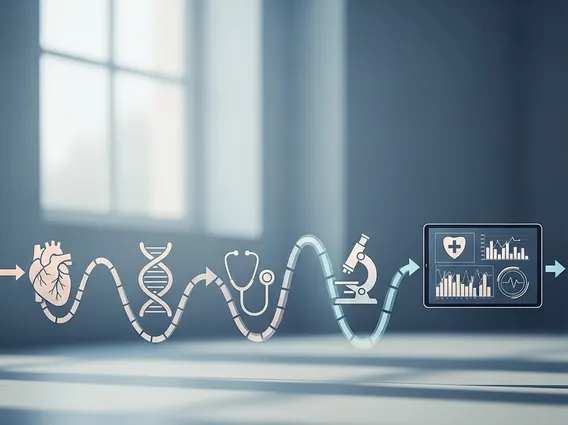
An integrated patient journey is central to the continuum of care. It means that a patient experiencing a health issue, for example, a heart attack, would seamlessly transition from emergency care to intensive care, then to a general ward, followed by rehabilitation, and finally, ongoing management through primary care or specialized clinics. Throughout this journey, a dedicated care team, often including care navigators or case managers, ensures that the patient’s needs are continuously assessed and met, providing support and education at each stage. This proactive approach minimizes disruptions and empowers patients to actively participate in their recovery and long-term health management.
Benefits of an Integrated Care Continuum
The implementation of an integrated care continuum yields significant benefits of continuum of care for patients, providers, and the healthcare system as a whole. For patients, it leads to improved health outcomes, enhanced satisfaction, and a greater sense of security knowing their care is coordinated. For instance, studies by organizations like the Agency for Healthcare Research and Quality (AHRQ) suggest that effective care coordination can significantly reduce hospital readmission rates, particularly for vulnerable populations.
From a systemic perspective, this model contributes to greater efficiency and cost-effectiveness by reducing unnecessary hospitalizations, emergency room visits, and redundant tests. It fosters a proactive rather than reactive approach to health, emphasizing preventive care and early intervention. By ensuring that patients receive appropriate follow-up and support, the continuum of care strengthens the overall resilience and responsiveness of healthcare delivery, ultimately leading to a healthier population and a more sustainable healthcare system.