
Chronic Lung Disease
Chronic lung disease refers to a group of conditions that affect the lungs and respiratory system over a long period, often progressively worsening. These diseases significantly impair lung function, making breathing difficult and impacting overall quality of life.
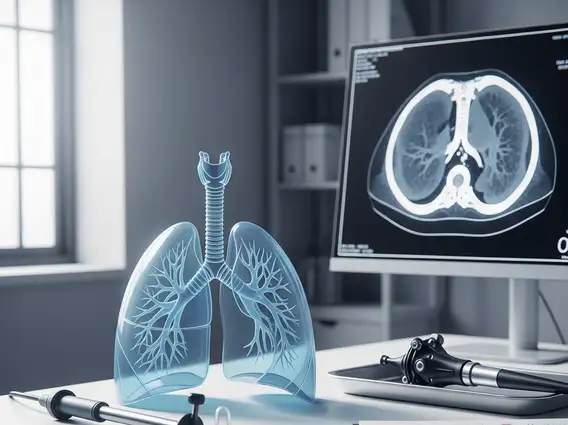
Key Takeaways
- Chronic Lung Disease encompasses long-term respiratory conditions that impair breathing.
- Common types include COPD, asthma, cystic fibrosis, and interstitial lung diseases.
- Major causes of chronic lung conditions include smoking, environmental pollutants, and genetic factors.
- Key symptoms of chronic lung illness often involve persistent cough, shortness of breath, and wheezing.
- Early diagnosis and management are crucial for improving outcomes and managing these progressive conditions.
What is Chronic Lung Disease?
What is Chronic Lung Disease? It is a broad term for conditions that cause long-term damage or dysfunction to the lungs, leading to persistent respiratory issues. Unlike acute respiratory illnesses, chronic lung diseases are typically progressive and require ongoing management. These conditions can affect various parts of the respiratory system, including the airways, lung tissue, and blood vessels within the lungs, often leading to reduced oxygen intake and impaired gas exchange.
The impact of these diseases is substantial globally. For instance, chronic lower respiratory diseases, which include many chronic lung conditions, were the sixth leading cause of death in the United States in 2021, according to the Centers for Disease Control and Prevention (CDC). This highlights the significant public health burden and the need for greater awareness and effective management strategies.
Common Types and Causes of Chronic Lung Conditions
Chronic lung conditions are diverse, each with unique characteristics but often sharing common underlying mechanisms of inflammation, airway obstruction, or tissue damage. Understanding the specific types of chronic lung diseases explained and their origins is crucial for accurate diagnosis and treatment.
Major Chronic Lung Disease Types
Several prominent conditions fall under the umbrella of chronic lung disease, each affecting the respiratory system in distinct ways:
- Chronic Obstructive Pulmonary Disease (COPD): This is a major type, encompassing emphysema and chronic bronchitis. COPD is characterized by airflow obstruction that interferes with normal breathing, often progressive and not fully reversible.
- Asthma: A chronic inflammatory disease of the airways that causes recurrent episodes of wheezing, breathlessness, chest tightness, and coughing. While manageable, it can significantly impact daily life.
- Cystic Fibrosis (CF): A genetic disorder that primarily affects the lungs, causing the production of thick, sticky mucus that can clog the airways and lead to severe respiratory infections and damage.
- Interstitial Lung Disease (ILD): A group of disorders that cause progressive scarring of lung tissue (pulmonary fibrosis), leading to stiffness and difficulty breathing. Examples include idiopathic pulmonary fibrosis.
- Pulmonary Hypertension: High blood pressure in the arteries leading to the lungs, which can strain the heart and lead to shortness of breath and fatigue.
Key Factors Contributing to Lung Conditions
The causes of chronic lung conditions are multifaceted, often involving a combination of environmental, genetic, and lifestyle factors. Identifying these risk factors is vital for prevention and early intervention.
- Smoking: Tobacco smoke is the leading cause of COPD and significantly contributes to other chronic lung diseases, including lung cancer.
- Exposure to Air Pollution: Long-term exposure to particulate matter, industrial pollutants, and vehicle emissions can damage lung tissue and exacerbate existing conditions.
- Occupational Exposures: Inhaling dusts, chemicals, and fumes in the workplace (e.g., asbestos, silica, coal dust) can lead to conditions like asbestosis, silicosis, and coal worker’s pneumoconiosis.
- Genetic Predisposition: Conditions like cystic fibrosis are inherited. Genetic factors can also increase susceptibility to diseases like asthma and COPD.
- Recurrent Respiratory Infections: Frequent or severe lung infections, especially in childhood, can contribute to long-term lung damage and increase the risk of chronic conditions.
Recognizing Symptoms of Chronic Lung Illness
Early recognition of the symptoms of chronic lung illness is crucial for timely diagnosis and management, which can help slow disease progression and improve quality of life. These symptoms often develop gradually and may be dismissed as normal aging or temporary ailments.
Common indicators that may suggest a chronic lung condition include:
- Persistent Cough: A cough that lasts for weeks or months, often producing mucus (phlegm), is a hallmark symptom of many chronic lung diseases.
- Shortness of Breath (Dyspnea): Difficulty breathing, especially during physical activity, which may worsen over time. This can range from mild breathlessness to severe respiratory distress.
- Wheezing: A whistling or squeaky sound when breathing, often caused by narrowed airways. This is particularly common in asthma and COPD.
- Chest Tightness: A feeling of pressure or constriction in the chest, which can accompany shortness of breath or wheezing.
- Fatigue: Chronic lung conditions can lead to persistent tiredness due to the increased effort of breathing and reduced oxygen levels.
- Frequent Respiratory Infections: Individuals with chronic lung diseases may be more prone to colds, flu, and pneumonia, which can further exacerbate their condition.
If any of these symptoms are experienced persistently, it is important to consult a healthcare professional for an accurate diagnosis and appropriate treatment plan.



















