Chemoradiation
Chemoradiation is a comprehensive cancer treatment that combines chemotherapy and radiation therapy. This integrated approach aims to enhance treatment effectiveness by targeting cancer cells through different mechanisms simultaneously.
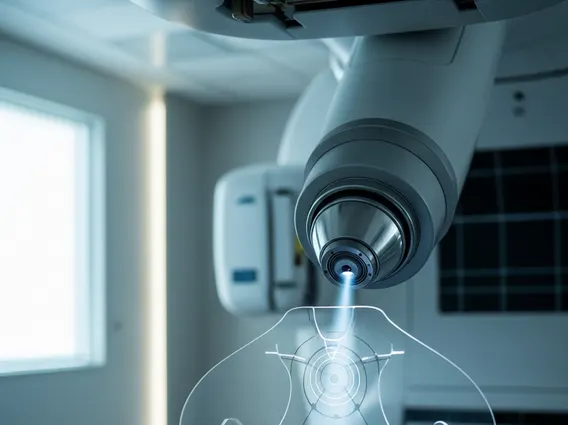
Key Takeaways
- Chemoradiation combines chemotherapy and radiation therapy for enhanced cancer treatment.
- It works by sensitizing cancer cells to radiation while directly damaging their DNA.
- The process involves meticulous planning, including imaging and precise delivery of both therapies.
- Patients experience acute and potential long-term side effects, requiring careful management.
- Effective symptom management strategies are crucial for maintaining patient well-being during and after treatment.
What is Chemoradiation?
Chemoradiation, also known as chemoradiotherapy, is a cancer treatment modality that integrates chemotherapy and radiation therapy. This strategy is often employed for various cancer types, particularly those that are locally advanced or challenging to treat with a single approach. The primary goal is to achieve a synergistic effect, where the combined impact on cancer cells is greater than their individual effects.
How does chemoradiation work? Chemotherapy drugs make cancer cells more susceptible to radiation, while radiation therapy directly damages the DNA of cancer cells, inhibiting their growth and division. This dual attack helps to eradicate cancer cells more effectively, reduce tumor size, and prevent recurrence. According to the World Health Organization (WHO), cancer remains a leading cause of mortality globally, and multimodal therapies like what is Chemoradiation are vital in improving patient outcomes for many types of cancer.
Chemoradiation Treatment Process
The Chemoradiation treatment process is a carefully planned sequence designed to maximize therapeutic benefit while minimizing harm to healthy tissues. It typically begins with a thorough evaluation and planning phase, followed by the precise delivery of both radiation and chemotherapy.
Treatment Planning and Simulation
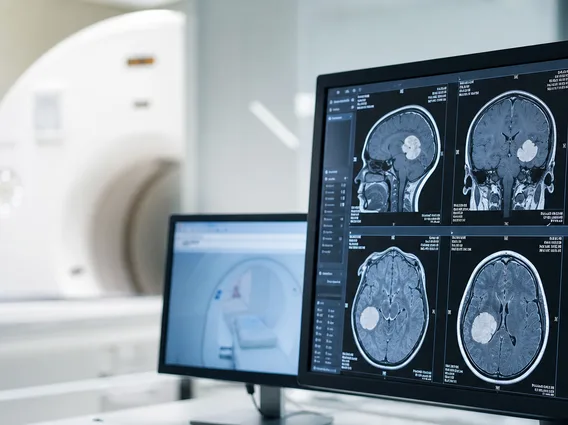
Before treatment, patients undergo comprehensive planning, including detailed imaging (CT, MRI, PET scans) to precisely map the tumor’s location and its relationship to surrounding organs. Radiation oncologists and medical physicists use this data to create a personalized treatment plan. During simulation, patients are positioned using immobilization devices to ensure consistent alignment for each radiation session, with marks often placed on the skin to guide delivery. This meticulous planning ensures accurate radiation targeting, sparing healthy tissues.
Radiation and Chemotherapy Delivery
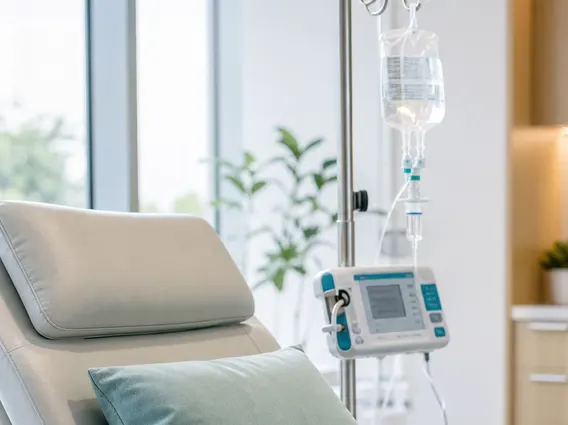
Radiation therapy is usually delivered via external beam radiation, with short daily sessions over several weeks. Chemotherapy drugs, administered intravenously or orally, target rapidly dividing cells throughout the body. In chemoradiation, chemotherapy is often given concurrently with radiation to enhance its effectiveness and target any potential spread. The specific schedule and drug regimen depend on the cancer type, stage, and the patient’s overall health.
Managing Chemoradiation Side Effects
While highly effective, chemoradiation can lead to various Chemoradiation side effects due to its impact on both cancerous and healthy rapidly dividing cells. Understanding and proactively managing these effects are crucial for maintaining a patient’s quality of life throughout treatment.
Common Acute Side Effects
Acute side effects typically occur during or shortly after treatment and are often temporary. These vary based on the treated area and chemotherapy drugs. Common examples include fatigue, nausea, vomiting, loss of appetite, mouth sores (mucositis), skin irritation in the radiation field, and hair loss. Blood count changes, such as decreased white blood cells, red blood cells, or platelets, are also frequent, increasing risks of infection, anemia, and bleeding.
Potential Long-Term Effects
Some side effects may persist for months or years post-treatment or develop later. These can include chronic fatigue, changes in organ function (e.g., lung fibrosis, heart issues, nerve damage), infertility, and secondary cancers. The risk and severity depend on the total radiation dose, treated area, and specific chemotherapy agents. Regular follow-up is essential to monitor for and address any emerging long-term complications.
Strategies for Symptom Management
Effective symptom management is integral to the chemoradiation process. Healthcare teams develop personalized strategies, which may involve:
- Medications: Anti-nausea drugs, pain relievers, anti-diarrhea medications, and growth factors.
- Nutritional Support: Dietary counseling for appetite loss or swallowing difficulties.
- Skin Care: Specific lotions or creams for radiation-induced skin irritation.
- Oral Hygiene: Regular mouth rinses and soft toothbrushes for mucositis.
- Rest and Activity: Balancing rest with light physical activity to combat fatigue.
- Psychological Support: Counseling or support groups for emotional challenges.
Patients should promptly communicate any new or worsening symptoms to their healthcare team, as early intervention can significantly improve comfort and outcomes.