Carotenoid
Carotenoids are a diverse group of naturally occurring pigments responsible for the vibrant yellow, orange, and red colors found in many plants, fruits, and vegetables. These powerful compounds play a crucial role in plant health and offer significant benefits when consumed by humans.
Key Takeaways
- Carotenoids are plant pigments with strong antioxidant properties.
- They are essential for human health, supporting vision, immune function, and skin integrity.
- Key types include beta-carotene (a precursor to Vitamin A), lutein, zeaxanthin (important for eye health), and lycopene (a potent antioxidant).
- A diet rich in colorful fruits and vegetables is the best way to obtain a wide spectrum of these beneficial compounds.
What are Carotenoids?
So, what is Carotenoid? Carotenoids are a class of more than 600 naturally occurring pigments synthesized by plants, algae, and photosynthetic bacteria. They are responsible for the bright yellow, orange, and red hues seen in many fruits, vegetables, and flowers. Beyond their aesthetic appeal, these compounds are vital for plant photosynthesis, protecting plants from excessive light damage. In the human diet, what are carotenoids known for? They are primarily recognized for their powerful antioxidant properties, which help neutralize harmful free radicals in the body, and for their role as precursors to Vitamin A.
Key Types and Roles of Carotenoids
Understanding the different types of carotenoids and functions they perform is key to appreciating their impact on health. While there are hundreds of carotenoids, a few are particularly significant for human nutrition due to their unique biological activities.
Beta-Carotene and Vitamin A
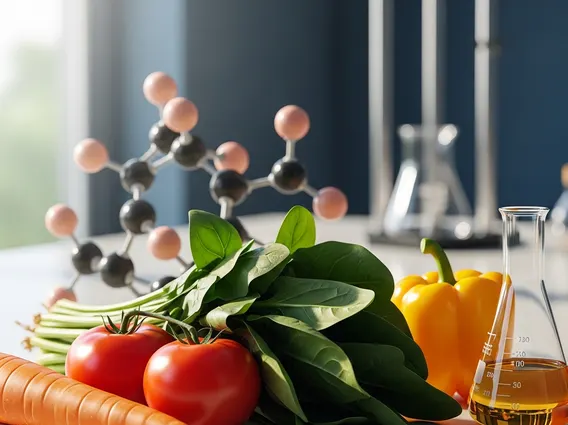
Beta-carotene is one of the most well-known carotenoids and is often referred to as a “provitamin A” carotenoid. This means the body can convert beta-carotene into Vitamin A (retinol), an essential nutrient. Vitamin A is critical for maintaining healthy vision, especially in low light, and supports robust immune function, skin health, and cellular growth. Foods rich in beta-carotene include carrots, sweet potatoes, and spinach.
Lutein, Zeaxanthin, and Eye Health
Lutein and zeaxanthin are unique among carotenoids because they are the only dietary carotenoids that accumulate in the retina of the eye, particularly in the macula. Here, they form macular pigment, which acts as a natural filter for harmful blue light and provides antioxidant protection. Research suggests that adequate intake of lutein and zeaxanthin can help reduce the risk of age-related macular degeneration (AMD) and cataracts, two leading causes of vision impairment.
Lycopene and Antioxidant Properties
Lycopene is a potent antioxidant carotenoid that gives red and pink fruits and vegetables their characteristic color. Unlike beta-carotene, lycopene does not convert to Vitamin A. Its primary role in the human body is its powerful ability to neutralize free radicals, which can cause cellular damage. Studies suggest that lycopene may contribute to cardiovascular health and may be associated with a reduced risk of certain cancers, particularly prostate cancer.
Health Benefits and Dietary Sources of Carotenoids
The consumption of carotenoids through a balanced diet is strongly linked to numerous positive health outcomes. The collective action of these compounds contributes significantly to overall well-being.
Promoting Overall Well-being
The carotenoid health benefits extend beyond specific functions. Their collective antioxidant activity helps protect cells from oxidative stress, which is implicated in chronic diseases and aging. They support a healthy immune system, enhance skin health by protecting against UV damage, and contribute to cardiovascular health by reducing inflammation and improving lipid profiles. Regular intake of carotenoid-rich foods is a simple yet powerful strategy for disease prevention and maintaining vitality.
Top Food Sources for Carotenoids
Incorporating foods rich in carotenoids into your daily diet is straightforward, given their abundance in colorful produce. A diverse intake ensures a broad spectrum of these beneficial compounds. Here are some excellent sources:
| Carotenoid Type | Primary Food Sources | Key Benefits |
|---|---|---|
| Beta-Carotene | Carrots, sweet potatoes, spinach, kale, cantaloupe, mangoes | Vitamin A precursor, vision, immune function, skin health |
| Lutein & Zeaxanthin | Spinach, kale, collard greens, corn, egg yolks, broccoli | Eye health, protection against AMD and cataracts |
| Lycopene | Tomatoes, watermelon, pink grapefruit, guava, papaya | Powerful antioxidant, heart health, prostate health |
| Beta-Cryptoxanthin | Oranges, tangerines, papayas, peaches, corn | Antioxidant, provitamin A activity, immune support |
To maximize absorption, many carotenoids are best consumed with a small amount of fat, as they are fat-soluble compounds. This is why adding a drizzle of olive oil to a salad or pairing vegetables with avocado can enhance their bioavailability.