Carmustine Implant
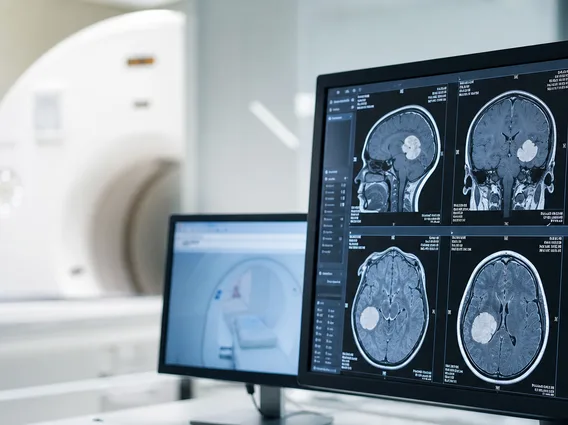
The Carmustine Implant represents a significant advancement in the localized treatment of certain aggressive brain tumors. This innovative therapy delivers chemotherapy directly to the site where it is most needed, aiming to improve outcomes for patients.
Key Takeaways
- The Carmustine Implant is a biodegradable wafer containing chemotherapy, used for specific brain tumors.
- It delivers the drug directly into the tumor cavity after surgical removal, targeting residual cancer cells.
- This localized approach helps bypass the blood-brain barrier and can reduce systemic side effects.
- Understanding how Carmustine Implant works and its potential side effects is crucial for patients and caregivers.
- It is primarily used as an adjunct therapy for high-grade gliomas, including glioblastoma multiforme.
What is Carmustine Implant?
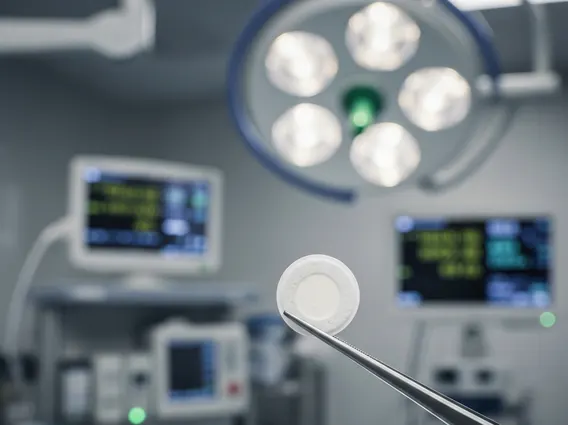
The Carmustine Implant, often known by its brand name Gliadel wafer, is a small, disc-shaped, biodegradable polymer wafer impregnated with the chemotherapy drug carmustine (BCNU). Its primary purpose is to provide sustained, localized chemotherapy directly within the brain after the surgical removal of a malignant brain tumor. This targeted delivery system is specifically approved for use in adults with newly diagnosed high-grade glioma, including glioblastoma multiforme (GBM), and recurrent glioblastoma, offering a unique approach to treating these aggressive cancers.
Glioblastoma is one of the most aggressive forms of brain cancer, with a challenging prognosis. According to the American Cancer Society, glioblastoma accounts for a significant percentage of all primary malignant brain tumors, highlighting the critical need for effective treatment strategies. The Carmustine Implant for brain tumors is designed to address residual cancer cells that may remain after surgery, which are often responsible for tumor recurrence.
How Carmustine Implants Work Against Brain Tumors
The efficacy of the Carmustine Implant lies in its ability to deliver a high concentration of chemotherapy directly to the tumor bed, circumventing many of the challenges associated with systemic chemotherapy for brain cancers.
Mechanism of Action
The core principle behind how Carmustine Implant works involves the controlled release of the potent chemotherapy agent, carmustine. Carmustine is an alkylating agent that interferes with the DNA of cancer cells, preventing them from replicating and ultimately leading to their death. Once implanted, the wafer slowly dissolves over a period of several weeks, continuously releasing carmustine into the surrounding brain tissue. This direct delivery allows for a much higher concentration of the drug at the tumor site than could be achieved with intravenous chemotherapy, while simultaneously minimizing exposure to other parts of the body. This localized action is particularly beneficial because it helps to overcome the blood-brain barrier, a natural protective mechanism that often prevents many chemotherapy drugs from reaching brain tumors effectively.
Surgical Placement
The placement of Carmustine Implants is an integral part of the surgical procedure for brain tumor removal. After the neurosurgeon has resected as much of the tumor as safely possible, up to eight wafers are typically placed directly into the tumor cavity. The number of wafers used depends on the size and shape of the resection cavity. Over the subsequent weeks, these wafers gradually degrade, releasing the carmustine. This continuous, localized drug delivery targets any microscopic tumor cells that may have been left behind after surgery, which are often the source of tumor recurrence. The biodegradable nature of the wafers means they do not need to be removed in a subsequent procedure, as they are naturally absorbed by the body.
Understanding Carmustine Implant Side Effects
While the Carmustine Implant offers targeted therapy, it is important for patients and their families to be aware of potential adverse reactions. Like all medical treatments, there are specific Carmustine Implant side effects, which can range from common to more serious complications.
Common Adverse Reactions
Due to the direct placement of the chemotherapy agent in the brain, many of the common side effects are localized to the surgical site or surrounding brain tissue. These can include brain edema (swelling), which may necessitate corticosteroid treatment, and seizures, which are a known risk associated with brain surgery and tumor presence. Other common reactions may involve complications with wound healing, such as infection or fluid accumulation (cerebrospinal fluid leak) at the surgical site. Patients may also experience headaches, nausea, or vomiting, although these are often less severe compared to systemic chemotherapy.
Serious Complications
Although less frequent, more serious complications can occur. These may include intracranial hypertension, where increased pressure within the skull can lead to severe symptoms. There is also a risk of cerebral hemorrhage (bleeding in the brain) or hydrocephalus (an accumulation of cerebrospinal fluid), which may require further medical intervention. While the localized delivery aims to reduce systemic toxicity, careful monitoring by the medical team is essential to manage any emerging side effects promptly and effectively, ensuring patient safety and optimizing recovery.