Cardiotoxicity
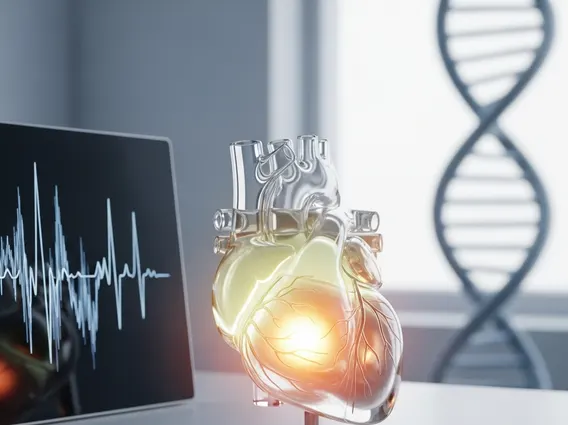
Cardiotoxicity refers to damage or injury to the heart muscle caused by exposure to toxic substances, often medications. This condition can significantly impair heart function, ranging from mild, reversible effects to severe, life-threatening complications.
Key Takeaways
- Cardiotoxicity is heart damage resulting from toxic substances, commonly certain medications like chemotherapy drugs.
- Symptoms can include fatigue, shortness of breath, and swelling, indicating impaired heart function.
- It can weaken the heart muscle, disrupt electrical rhythms, and lead to various forms of heart disease.
- Early detection through regular monitoring is crucial for managing and potentially reversing its effects.
- Treatment involves medication adjustments, supportive care, and cardiac-specific therapies to protect heart health.
What is Cardiotoxicity?
What is cardiotoxicity? At its core, cardiotoxicity is the adverse effect of a substance, typically a drug, on the heart. This can manifest as structural damage to the heart muscle, impaired electrical activity, or compromised pumping ability. It is a significant concern in medical fields, particularly in oncology, where life-saving cancer treatments can unfortunately have detrimental effects on cardiovascular health.
The severity and type of cardiac damage can vary widely depending on the substance, dosage, duration of exposure, and individual patient factors. Understanding this condition is vital for both prevention and effective management, ensuring that necessary treatments do not inadvertently lead to severe heart complications.
Types of Cardiotoxicity
Cardiotoxicity can be broadly categorized based on its onset and reversibility. Acute cardiotoxicity occurs shortly after exposure to a toxic agent, often within days or weeks, and may be reversible once the agent is discontinued. In contrast, chronic cardiotoxicity develops months or even years after exposure, sometimes progressing silently, and tends to be more persistent or irreversible. For instance, anthracycline-induced cardiotoxicity, common in cancer treatment, can manifest as a late-onset chronic condition, affecting up to 10% of patients within a year of treatment, according to some studies by the American Heart Association.
Causes, Symptoms, and Cardiac Impact
Understanding the origins and manifestations of heart damage is crucial for timely intervention. Cardiotoxicity symptoms and causes are diverse, reflecting the various ways toxic agents can affect the heart.
Key Causes of Cardiotoxicity
The primary causes of cardiotoxicity are often related to medical treatments, though other factors can contribute. Chemotherapy drugs, particularly anthracyclines (e.g., doxorubicin) and certain targeted therapies (e.g., trastuzumab), are well-known culprits. Radiation therapy to the chest can also induce cardiotoxicity. Beyond cancer treatments, some antidepressant medications, antipsychotics, and even certain illicit drugs can lead to cardiac damage. For example, according to the CDC, illicit drug use, including stimulants, is a significant contributor to various cardiovascular complications, including cardiotoxicity.
Recognizing Cardiotoxicity Symptoms
Recognizing Cardiotoxicity symptoms early is critical for managing the condition. Common symptoms include:
- Fatigue: Persistent and unexplained tiredness.
- Shortness of breath: Difficulty breathing, especially during exertion or when lying flat.
- Swelling (edema): In the ankles, feet, legs, or abdomen due to fluid retention.
- Palpitations: A sensation of a racing, pounding, or irregular heartbeat.
- Dizziness or lightheadedness: Indicating reduced blood flow to the brain.
- Chest pain: Though less common, it can occur in some cases.
These symptoms often indicate that the heart’s ability to pump blood effectively is compromised.
Effects on Heart Function
How does cardiotoxicity affect the heart? Cardiotoxicity can impact the heart in several ways, leading to various forms of cardiac dysfunction. It can weaken the heart muscle, a condition known as cardiomyopathy, which reduces the heart’s pumping efficiency. This can progress to heart failure, where the heart cannot supply enough blood to meet the body’s needs. Additionally, cardiotoxicity can disrupt the heart’s electrical system, leading to arrhythmias (irregular heartbeats), or cause structural damage such as inflammation of the heart muscle (myocarditis) or damage to the heart valves. These effects collectively impair the heart’s ability to function normally, affecting overall cardiovascular health.
Treatment and Management of Cardiotoxicity
Effective management of cardiotoxicity involves a multi-faceted approach, focusing on both therapeutic interventions and preventive strategies. The goal is to mitigate damage, improve heart function, and enhance the patient’s quality of life.
Therapeutic Approaches
The Cardiotoxicity definition and treatment framework emphasizes early detection and tailored interventions. Treatment strategies often involve adjusting the dose or discontinuing the offending agent, if medically feasible. Medications commonly used to treat heart failure, such as ACE inhibitors, beta-blockers, and diuretics, are often prescribed to manage symptoms and protect the heart. In some cases, specific cardiac drugs may be used to counteract the toxic effects. For instance, dexrazoxane is sometimes administered to mitigate anthracycline-induced cardiotoxicity. The specific therapeutic approach depends on the type and severity of cardiotoxicity, as well as the patient’s overall health status.
Prevention and Monitoring
Prevention and vigilant monitoring are paramount in managing cardiotoxicity. Before initiating treatments known to be cardiotoxic, a baseline cardiac assessment, including an electrocardiogram (ECG) and echocardiogram, is often performed. Regular monitoring throughout and after treatment allows for early detection of any changes in heart function. This proactive approach enables clinicians to intervene promptly, potentially modifying treatment plans or initiating cardioprotective therapies before significant damage occurs. Lifestyle adjustments, such as maintaining a healthy diet, regular exercise, and avoiding smoking, also play a supportive role in overall cardiovascular health, though they do not replace medical treatment for cardiotoxicity.