Cardiac
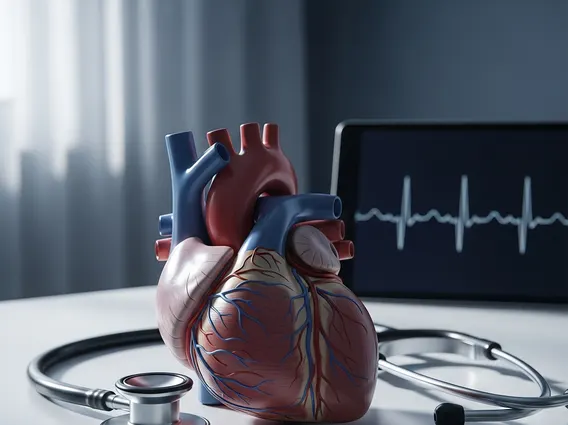
The term Cardiac refers to anything relating to the heart, a vital organ responsible for pumping blood throughout the body. Understanding cardiac function and health is crucial for overall well-being and disease prevention.
Key Takeaways
- Cardiac health encompasses the well-being of your heart and the entire cardiovascular system.
- Common types of cardiac diseases include coronary artery disease, heart failure, and arrhythmias.
- Recognizing symptoms of cardiac arrest and other distress signals is critical for timely intervention.
- Lifestyle modifications, including diet and exercise, are key strategies for how to improve cardiac function.
- Regular medical check-ups and early detection play a significant role in managing cardiac conditions.
What is Cardiac Health?
At its core, what is Cardiac refers to the heart, the muscular organ that circulates blood, oxygen, and nutrients to every part of the body. Therefore, what is cardiac health is the state of well-being of this essential organ and the entire network of blood vessels, collectively known as the cardiovascular system. It signifies a heart that functions efficiently, maintaining proper blood pressure, cholesterol levels, and blood sugar, all of which are vital for preventing disease.
Globally, cardiovascular diseases (CVDs) remain the leading cause of death, accounting for approximately 17.9 million lives each year, according to the World Health Organization (WHO). This underscores the critical importance of maintaining optimal cardiac health through preventative measures and early intervention.
Common Cardiac Conditions and Their Signs
A range of conditions can affect the heart, impacting its ability to function effectively. Understanding these conditions and their early indicators is paramount for timely diagnosis and management.
Understanding Different Cardiac Diseases
There are numerous types of cardiac diseases, each with distinct characteristics and impacts on heart function. These conditions can affect the heart’s muscle, valves, rhythm, or blood vessels.
- Coronary Artery Disease (CAD): Occurs when the blood vessels supplying the heart become narrowed or blocked, often due to plaque buildup (atherosclerosis). This can lead to angina (chest pain) or a heart attack.
- Heart Failure: A chronic, progressive condition where the heart muscle is unable to pump enough blood to meet the body’s needs. It doesn’t mean the heart stops working, but rather that it’s not working as efficiently as it should.
- Arrhythmias: Irregular heartbeats, which can be too fast, too slow, or erratic. Some arrhythmias are harmless, while others can be life-threatening and require medical attention.
- Hypertension (High Blood Pressure): While not strictly a heart disease, it’s a major risk factor for many cardiac conditions, including heart attack, stroke, and heart failure, as it forces the heart to work harder.
- Valvular Heart Disease: Involves damage or defect in one of the four heart valves, which can disrupt blood flow through the heart.
Recognizing Warning Signs of Cardiac Distress
Being able to identify the warning signs of a cardiac emergency can be life-saving. While symptoms can vary, certain indicators should prompt immediate medical attention, especially when considering symptoms of cardiac arrest, which is a sudden loss of heart function, breathing, and consciousness.
Key warning signs of cardiac distress include:
- Chest Pain or Discomfort: Often described as pressure, squeezing, fullness, or pain in the center of the chest that lasts more than a few minutes, or goes away and comes back.
- Shortness of Breath: May occur with or without chest discomfort.
- Pain in Other Areas: Discomfort in one or both arms, the back, neck, jaw, or stomach.
- Cold Sweat, Nausea, or Lightheadedness: These can accompany other symptoms during a cardiac event.
- Sudden Collapse: In the case of cardiac arrest, the person will suddenly become unresponsive and stop breathing normally. Immediate CPR and defibrillation are crucial.
Strategies to Improve Cardiac Function
Adopting a heart-healthy lifestyle is the most effective way for how to improve cardiac function and reduce the risk of developing cardiovascular diseases. These strategies focus on managing risk factors and promoting overall cardiovascular well-being.
- Maintain a Balanced Diet: Emphasize fruits, vegetables, whole grains, lean proteins, and healthy fats. Limit saturated and trans fats, cholesterol, sodium, and added sugars.
- Engage in Regular Physical Activity: Aim for at least 150 minutes of moderate-intensity aerobic exercise or 75 minutes of vigorous-intensity exercise per week, along with muscle-strengthening activities on two or more days.
- Manage Blood Pressure and Cholesterol: Work with your doctor to monitor and control these levels through lifestyle changes and, if necessary, medication.
- Achieve and Maintain a Healthy Weight: Excess weight puts additional strain on the heart. Losing even a small amount of weight can significantly benefit cardiac health.
- Quit Smoking: Smoking is a major risk factor for heart disease. Quitting is one of the most impactful steps you can take to improve your cardiac health.
- Limit Alcohol Intake: Excessive alcohol consumption can raise blood pressure and contribute to heart failure.
- Manage Stress: Chronic stress can impact heart health. Incorporate stress-reducing activities like meditation, yoga, or spending time in nature.
- Regular Medical Check-ups: Schedule routine visits with your healthcare provider to monitor your heart health, screen for potential issues, and discuss any concerns.