Carcinogenesis
Carcinogenesis is the intricate, multi-step process by which normal cells transform into cancer cells. Understanding this fundamental biological phenomenon is crucial for cancer prevention, diagnosis, and treatment strategies.
Key Takeaways
- Carcinogenesis describes the cellular and genetic changes leading to cancer development.
- The process unfolds in distinct phases: initiation, promotion, and progression.
- Initiation involves irreversible genetic mutations, while promotion drives cell proliferation.
- Progression encompasses further genetic changes, leading to malignant behavior.
- Cancer development is influenced by a combination of genetic predisposition, environmental exposures, and lifestyle choices.
What is Carcinogenesis?
At its core, what is carcinogenesis refers to the complex biological process involving genetic and epigenetic changes that convert healthy cells into malignant ones. This transformation is not a single event but a cumulative series of alterations that disrupt normal cell growth, division, and differentiation. It is a fundamental concept in oncology, explaining how cancer arises and progresses within the body.
Stages and Mechanisms of Carcinogenesis
The carcinogenesis process explained typically involves several distinct stages, each characterized by specific cellular and molecular events. These stages are not always strictly sequential but represent a general progression from normal tissue to invasive cancer.
Initiation Phase
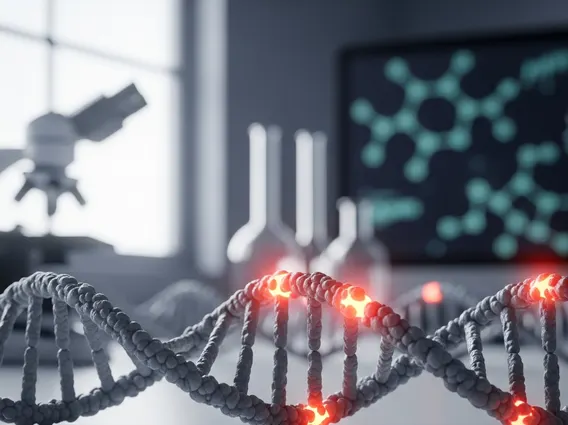
The initiation phase marks the first irreversible step in carcinogenesis. It involves permanent genetic damage, typically a mutation in a cell’s DNA, caused by exposure to a carcinogen. While this mutation is crucial, an initiated cell does not immediately become cancerous; it retains its normal appearance and function but carries a latent genetic alteration. For instance, exposure to chemicals in tobacco smoke can cause specific DNA mutations in lung cells.
Promotion Phase
Following initiation, the promotion phase involves the selective proliferation of initiated cells. Promoting agents, which do not directly damage DNA, stimulate the growth and division of these cells, leading to the formation of benign tumors or pre-cancerous lesions. This phase is often reversible if the promoting agent is removed, highlighting its role in expanding the population of genetically altered cells. Chronic inflammation, for example, can act as a promoter.
Progression Phase
The progression phase is characterized by further genetic and epigenetic changes within the promoted cell population, leading to increased genomic instability and the acquisition of malignant characteristics. During this stage, cells develop the ability to grow uncontrollably, invade surrounding tissues, and metastasize to distant sites. Understanding these stages of carcinogenesis is vital for identifying therapeutic targets and developing early detection methods.
Causes and Risk Factors for Carcinogenesis
The causes of carcinogenesis are multifaceted, stemming from an interplay of genetic predispositions, environmental exposures, and lifestyle choices. Identifying these factors is critical for prevention and risk reduction.
Genetic Predisposition
Some individuals inherit genetic mutations that increase their susceptibility to cancer. These inherited mutations often affect genes involved in DNA repair, cell growth regulation, or tumor suppression, such as BRCA1 and BRCA2 genes linked to breast and ovarian cancers. While genetic predisposition increases risk, it does not guarantee cancer development, as environmental factors also play a significant role.
Environmental Carcinogens
Exposure to environmental carcinogens is a major contributor to cancer incidence. These agents can directly damage DNA or promote cell proliferation. Examples include chemical carcinogens found in tobacco smoke, industrial pollutants like asbestos, and certain types of radiation (e.g., ultraviolet radiation from sunlight, ionizing radiation). Biological agents, such as human papillomavirus (HPV) and hepatitis B and C viruses, are also recognized carcinogens, contributing to cancers like cervical and liver cancer, respectively. According to the World Health Organization (WHO), tobacco use alone is responsible for approximately 25% of all cancer deaths globally.
Lifestyle Factors
Lifestyle choices significantly impact cancer risk. Poor diet, characterized by high consumption of processed foods and low intake of fruits and vegetables, contributes to increased risk. Obesity is a well-established risk factor for several cancers, including colorectal, breast, and pancreatic cancers. Excessive alcohol consumption and physical inactivity also contribute to the overall burden of cancer. Adopting a healthy lifestyle can substantially reduce the likelihood of developing various cancers.