Carcinogen
A carcinogen is any substance, radionuclide, or radiation that promotes carcinogenesis, the formation of cancer. Understanding these agents is crucial for public health, as exposure to them can significantly increase the risk of developing various types of cancer.
Key Takeaways
- Carcinogens are agents that cause cancer by damaging DNA and disrupting cell regulation.
- They can be physical, chemical, or biological, with varying mechanisms of action.
- Common examples include tobacco smoke, UV radiation, asbestos, and certain processed foods.
- Not all carcinogens are equally dangerous; their risk depends on potency, exposure level, and individual factors.
- Minimizing exposure through dietary choices, environmental awareness, and lifestyle changes is key to prevention.
What is a Carcinogen and How It Causes Cancer
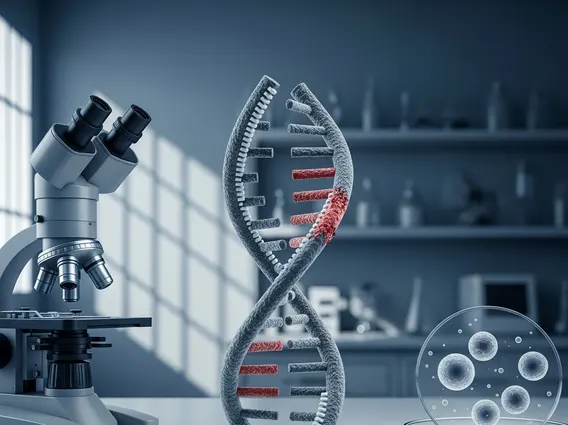
A carcinogen is an agent that has the potential to cause cancer. These agents can be physical, chemical, or biological, and their primary mechanism involves altering a cell’s genetic material (DNA), leading to uncontrolled cell growth and division. This process, known as carcinogenesis, typically involves multiple steps and can take many years to manifest as a detectable tumor.
The question of what is a carcinogen and how it causes cancer is central to cancer prevention. Carcinogens interfere with the normal cellular processes that regulate growth, division, and repair. When DNA is damaged and not properly repaired, it can lead to mutations. If these mutations occur in critical genes that control cell growth (oncogenes) or suppress tumors (tumor suppressor genes), the cell can become cancerous.
Mechanisms of Carcinogenesis
Carcinogens can cause cancer through various mechanisms. Some directly damage DNA, forming adducts or breaking strands, while others act indirectly by promoting cell proliferation, inflammation, or by interfering with DNA repair mechanisms. For instance, certain chemicals can be metabolized in the body into compounds that are highly reactive and bind to DNA. The International Agency for Research on Cancer (IARC), part of the World Health Organization (WHO), classifies agents based on the strength of evidence that they cause cancer in humans, ranging from Group 1 (carcinogenic to humans) to Group 4 (probably not carcinogenic to humans).
Common Carcinogens and Their Dangers
Carcinogens are ubiquitous, found in our environment, workplaces, and even in some of the foods we consume. Understanding their presence and potential impact is vital for informed health choices.
Everyday Carcinogen Examples
There are numerous examples of common carcinogens in everyday life. Tobacco smoke is perhaps the most well-known, containing over 70 known carcinogens that significantly increase the risk of lung, mouth, throat, and other cancers. Ultraviolet (UV) radiation from sunlight and tanning beds is another prevalent carcinogen, responsible for most skin cancers. Other common examples include:
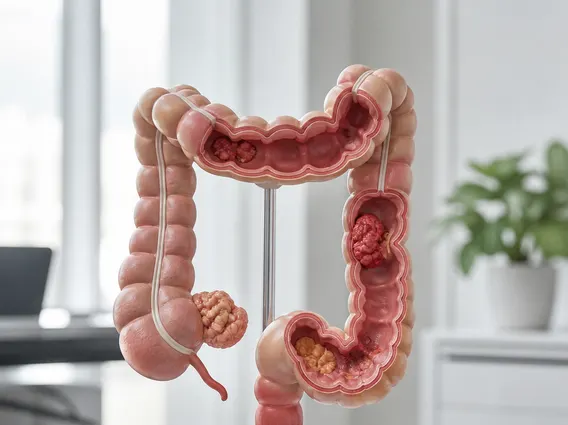
- Processed meats: The WHO’s IARC classifies processed meats (e.g., bacon, sausages, ham) as Group 1 carcinogens, indicating sufficient evidence they cause colorectal cancer.
- Alcohol: Ethanol in alcoholic beverages is a Group 1 carcinogen, linked to cancers of the mouth, throat, esophagus, liver, and breast.
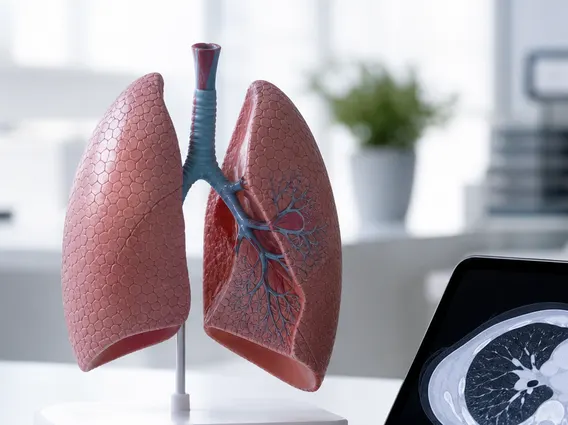
- Asbestos: A mineral fiber that, when inhaled, can cause lung cancer and mesothelioma.
- Radon: A radioactive gas that can accumulate in homes, being the second leading cause of lung cancer after smoking.
- Air pollution: Particulate matter and other pollutants in outdoor air are classified as Group 1 carcinogens by IARC.
Varying Potency and Risk
A critical question is, are all carcinogens equally dangerous? The answer is unequivocally no. The danger posed by a carcinogen depends on several factors: its inherent potency, the level and duration of exposure, and individual susceptibility, which includes genetic predisposition and overall health status. For example, a brief, low-level exposure to a weak carcinogen might pose minimal risk, while chronic, high-level exposure to a potent one could be highly dangerous. Regulatory bodies set exposure limits for many known carcinogens to protect public health, recognizing these varying levels of risk.
Minimizing Carcinogen Exposure
While complete avoidance of all carcinogens may be impossible, significant steps can be taken to reduce exposure and lower cancer risk. Lifestyle choices play a substantial role in prevention.
Dietary and Environmental Avoidance
Learning how to avoid carcinogens in food and environment involves making conscious choices in daily life. In terms of diet, adopting a balanced eating pattern rich in fruits, vegetables, and whole grains can be protective. Limiting consumption of processed meats, red meat, and alcohol can reduce exposure to dietary carcinogens. Additionally, cooking methods matter; avoiding charring or burning foods, especially meats, can reduce the formation of heterocyclic amines (HCAs) and polycyclic aromatic hydrocarbons (PAHs), which are potential carcinogens.
Environmentally, protecting oneself from UV radiation by using sunscreen, wearing protective clothing, and seeking shade is crucial. Avoiding tobacco products, including secondhand smoke, is one of the most impactful ways to reduce cancer risk. Ensuring good ventilation in homes to mitigate radon gas exposure, and being aware of chemical safety in workplaces and around the home, also contribute significantly to minimizing carcinogen exposure. Regular check-ups and screenings can also help detect any potential issues early.