Bronchus
The bronchus is a vital component of the human respiratory system, serving as the primary passageway for air to reach the lungs. Understanding its structure and function is crucial for comprehending how we breathe and how various respiratory conditions can impact our health.
Key Takeaways
- The bronchus is a tube that branches from the trachea, directing air into the lungs.
- Its main function is to conduct air, filter particles, and warm/humidify inhaled air.
- There are primary, secondary, and tertiary types of bronchi, further dividing into bronchioles.
- Common diseases affecting the bronchus include bronchitis, asthma, and COPD, which can impair breathing.
- Maintaining bronchial health is essential for efficient respiratory function and overall well-being.
What is Bronchus?
The term bronchus refers to the large air passages that branch off from the trachea (windpipe) and extend into the lungs. These tubes are essential for respiration, ensuring that inhaled air reaches the alveoli where gas exchange occurs, and exhaled air leaves the body. Understanding the bronchus anatomy and purpose provides insight into the mechanics of breathing.
Anatomy and Purpose
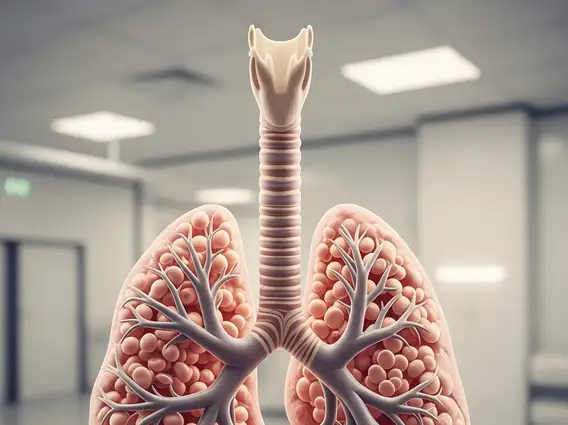
The trachea divides into two main bronchi, one for each lung, known as the primary or main bronchi. These tubes are reinforced with C-shaped cartilage rings, similar to the trachea, which prevent them from collapsing. As they enter the lungs, they further divide into smaller and smaller passages. The primary purpose of the bronchus is to provide a clear, unobstructed pathway for air, ensuring efficient ventilation of the lungs.
Function of the Bronchus
The primary function of the bronchus is air conduction. Beyond simply transporting air, the bronchial tubes also play a crucial role in protecting the respiratory system. Their inner lining, called the mucosa, contains ciliated epithelial cells and goblet cells. The goblet cells produce mucus, which traps dust, pollen, and other foreign particles from inhaled air. The cilia then rhythmically beat, moving this mucus and trapped particles upwards towards the throat, where they can be swallowed or expelled, thus keeping the lungs clean and free from irritants. Additionally, the bronchi help to warm and humidify the air before it reaches the delicate lung tissue.
Types of Bronchi in the Human Body
The bronchial tree is a complex network of progressively smaller airways that facilitate air distribution throughout the lungs. The types of bronchus in the human body are categorized based on their branching order and location within the respiratory system.
- Primary (Main) Bronchi: These are the two largest bronchi, branching directly from the trachea, one entering each lung. The right main bronchus is typically wider, shorter, and more vertical than the left.
- Secondary (Lobar) Bronchi: Within each lung, the primary bronchi divide into secondary bronchi, which supply individual lobes of the lungs. The right lung has three lobes and thus three secondary bronchi, while the left lung has two lobes and two secondary bronchi.
- Tertiary (Segmental) Bronchi: Each secondary bronchus further divides into tertiary bronchi, which supply specific bronchopulmonary segments within the lung lobes. There are typically 10 segments in the right lung and 8-10 in the left.
- Bronchioles: Beyond the tertiary bronchi, the airways continue to branch into even smaller tubes called bronchioles. These lack cartilage and rely on smooth muscle in their walls to maintain their patency. Bronchioles eventually lead to the terminal bronchioles, respiratory bronchioles, and finally the alveolar sacs where gas exchange occurs.
Common Bronchus Diseases
The bronchi are susceptible to various conditions that can impair their function, leading to significant respiratory problems. Understanding diseases affecting the bronchus is essential for diagnosis and treatment.
- Bronchitis: This is an inflammation of the lining of the bronchial tubes, often caused by viral infections (acute bronchitis) or long-term exposure to irritants like cigarette smoke (chronic bronchitis). Symptoms include coughing, mucus production, and shortness of breath. Chronic bronchitis is a component of Chronic Obstructive Pulmonary Disease (COPD).
- Asthma: A chronic inflammatory disease of the airways, asthma causes the bronchial tubes to narrow, swell, and produce extra mucus, making breathing difficult. Triggers can include allergens, exercise, or cold air. According to the Centers for Disease Control and Prevention (CDC), about 25 million Americans have asthma, highlighting its widespread impact.
- Chronic Obstructive Pulmonary Disease (COPD): This progressive lung disease encompasses conditions like chronic bronchitis and emphysema. It is characterized by airflow obstruction that interferes with normal breathing. Smoking is the leading cause of COPD, which is a major cause of morbidity and mortality worldwide. The World Health Organization (WHO) estimates that COPD is the third leading cause of death globally.
- Bronchiectasis: A condition where the bronchial tubes become permanently damaged, widened, and thickened. This often results from recurrent infections or inflammation, leading to a buildup of mucus and increased susceptibility to further infections.
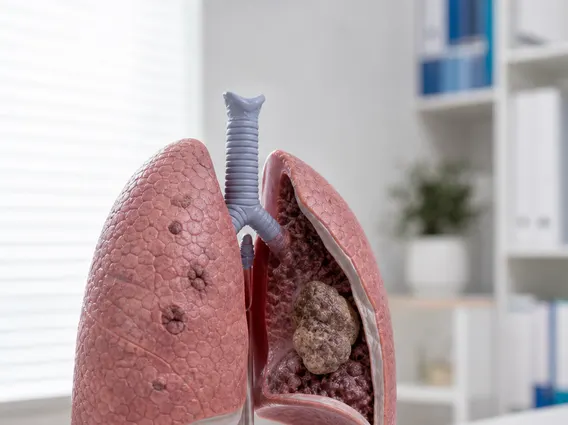
- Bronchial Carcinoma (Lung Cancer): Malignant tumors can originate in the cells lining the bronchi. Smoking is the most significant risk factor, and symptoms often include persistent cough, chest pain, and weight loss.