Bronchoscopy
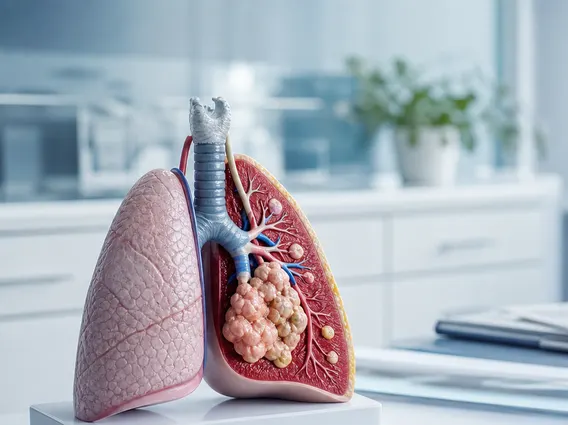
Bronchoscopy is a medical procedure used to visualize the inside of the airways, primarily the bronchi and lungs. It serves both diagnostic and therapeutic purposes, allowing healthcare professionals to examine the respiratory system directly.
Key Takeaways
- Bronchoscopy is a procedure that uses a thin tube to examine the airways and lungs.
- It is performed to diagnose lung conditions, collect samples, and sometimes treat issues like airway blockages.
- The procedure involves sedation and the insertion of a bronchoscope through the nose or mouth.
- While generally safe, potential risks include bleeding, infection, and a sore throat.
- Recovery is typically quick, often within a few hours, though some symptoms may persist for a day or two.
Understanding What is Bronchoscopy
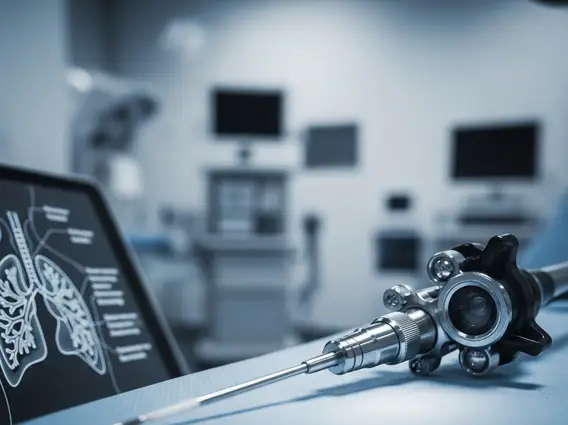
What is Bronchoscopy? It is a medical procedure that involves inserting a bronchoscope—a thin, flexible tube with a light and camera—into the airways to examine the throat, larynx, trachea, and bronchi. This allows for direct visualization of the respiratory passages, aiding in the diagnosis and treatment of various lung conditions. The procedure can help identify abnormalities such as inflammation, tumors, infections, or foreign bodies within the airways.
How a Bronchoscopy is Performed
To understand what is a bronchoscopy procedure, it’s essential to know its steps. Before the procedure, patients are typically given a sedative to help them relax and a local anesthetic to numb the throat. This ensures comfort throughout the process. How is a bronchoscopy performed involves the physician gently guiding the bronchoscope through the mouth or nose, down the throat, and into the airways. The camera on the bronchoscope transmits images to a monitor, allowing the doctor to inspect the airways in detail. During the procedure, small tools can be passed through the bronchoscope to collect tissue samples (biopsies), remove mucus plugs or foreign objects, or administer medication directly to the lungs. The entire process usually takes between 30 to 60 minutes.
Bronchoscopy Risks and Benefits
Like any medical intervention, there are distinct bronchoscopy risks and benefits that patients should be aware of. The benefits primarily revolve around its diagnostic capabilities, offering a direct view of the airways that other imaging techniques might not provide. It is crucial for diagnosing lung cancer, tuberculosis, pneumonia, and other inflammatory or infectious conditions. Furthermore, it can be therapeutic, used to remove foreign bodies, clear airway blockages, or drain abscesses. According to the American Thoracic Society, bronchoscopy is a generally safe procedure with a low incidence of serious complications, making it a valuable tool in pulmonology.
However, potential risks, though rare, include bleeding, infection, a collapsed lung (pneumothorax), or adverse reactions to sedation. Patients might also experience temporary side effects such as a sore throat, hoarseness, or a mild cough after the procedure. These symptoms typically resolve within a day or two. Serious complications occur in less than 1% of cases, highlighting its overall safety profile.
Bronchoscopy Recovery Time
The bronchoscopy recovery time is generally brief, with most patients being monitored for a few hours after the procedure until the effects of sedation wear off. During this period, healthcare staff will observe vital signs and ensure the patient can swallow safely before discharge. It is common to experience a sore throat, hoarseness, or a mild cough for 24 to 48 hours following the bronchoscopy. Patients are advised to rest for the remainder of the day and avoid strenuous activities. Most individuals can resume their normal daily activities within one to two days. It is important to follow all post-procedure instructions provided by the medical team and to contact them if any concerning symptoms, such as fever, chest pain, or difficulty breathing, develop.