Bronchoscope
A bronchoscope is a vital medical instrument used to examine the airways and lungs. This article will explore its function, various applications, and the procedure involved in its use.
Key Takeaways
- A bronchoscope is a thin, flexible or rigid tube used for examining the respiratory tract.
- It is crucial for diagnosing lung conditions, removing foreign bodies, and performing biopsies.
- The procedure, known as bronchoscopy, allows direct visualization of the airways.
- Different types of bronchoscopes are chosen based on the specific medical need.
- Bronchoscopy is a safe and effective diagnostic and therapeutic tool in pulmonology.
What is a Bronchoscope?
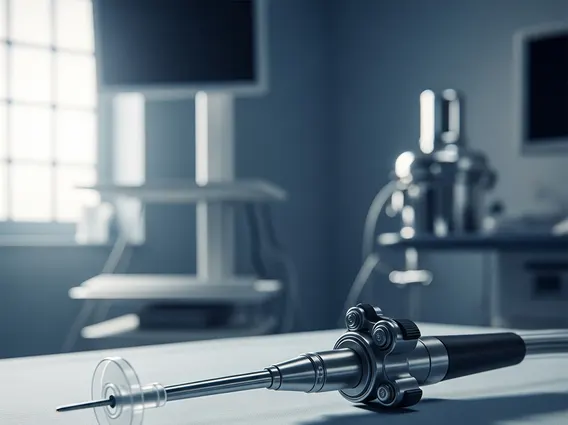
A bronchoscope is a medical instrument designed to visualize the inside of the airways, including the larynx, trachea, and bronchi. It typically consists of a thin tube equipped with a light source, a camera, and often channels for instruments. This allows physicians to directly inspect the respiratory tract for abnormalities, collect samples, or perform therapeutic interventions. The development of the bronchoscope has revolutionized the diagnosis and treatment of various lung diseases.
Types of Bronchoscopes
There are primarily two types of bronchoscopes: flexible and rigid. The choice between them depends on the specific medical indication and the patient’s condition.
- Flexible Bronchoscope: This is the most commonly used type. It is thin, pliable, and can navigate the intricate branching of the airways, reaching smaller bronchi. It is ideal for diagnostic procedures like biopsies and for examining peripheral lung areas.
- Rigid Bronchoscope: This type is a straight, hollow metal tube. It is primarily used for therapeutic interventions that require a larger working channel, such as removing large foreign bodies, controlling massive airway bleeding, or performing laser therapy on airway tumors. It requires general anesthesia and is typically used in an operating room setting.
Uses of a Bronchoscope
Understanding what is a bronchoscope used for reveals its broad utility in pulmonology. This instrument serves both diagnostic and therapeutic purposes, playing a critical role in managing respiratory conditions.
- Diagnosis of Lung Diseases: Physicians use bronchoscopes to investigate persistent cough, unexplained shortness of breath, abnormal chest X-rays or CT scans, and suspected infections like tuberculosis or pneumonia. It can help identify tumors, inflammation, or structural abnormalities.
- Biopsy and Sample Collection: During a bronchoscopy, small tissue samples (biopsies) can be taken from suspicious areas, or fluid samples (bronchoalveolar lavage) can be collected for laboratory analysis to diagnose cancer, infections, or inflammatory conditions.
- Removal of Foreign Bodies: It is highly effective in retrieving inhaled objects from the airways, which is particularly common in children.
- Therapeutic Interventions: The bronchoscope can be used to clear mucus plugs, drain abscesses, place stents to open narrowed airways, or deliver medication directly to the lungs.
- Evaluation of Hemoptysis: It helps locate the source of bleeding in patients experiencing hemoptysis (coughing up blood).
According to the American Thoracic Society, bronchoscopy is a cornerstone procedure for diagnosing lung cancer, with biopsy sensitivity ranging from 70% to 90% depending on the tumor’s location and size.
Bronchoscopy Procedure: How It Works
The bronchoscopy procedure explanation details the steps involved in this examination. Before the procedure, patients are typically advised to fast for several hours. Local anesthetic is usually applied to the throat to numb the area, and sedation is often administered to help the patient relax and minimize discomfort.
To understand how does a bronchoscope work during the procedure, the physician gently inserts the lubricated bronchoscope, usually through the nose or mouth, and guides it down the throat into the trachea and then into the bronchi. The camera at the tip transmits real-time images to a monitor, allowing the doctor to visualize the airway lining, vocal cords, and bronchial tree. Air and saline solution may be introduced to improve visibility or collect samples. If necessary, small instruments like forceps or brushes can be passed through the bronchoscope’s working channel to perform biopsies, remove secretions, or retrieve foreign objects. The entire procedure typically takes 30 to 60 minutes, depending on its complexity. After the procedure, patients are monitored until the effects of sedation wear off and their gag reflex returns. Common side effects include a sore throat or hoarseness, which usually resolve quickly. Serious complications are rare but can include bleeding or infection.