Bronchial
The bronchial system is a vital component of the human respiratory tract, responsible for conducting air deep into the lungs. Understanding its structure and function is crucial for appreciating how we breathe and maintain overall respiratory wellness.
Key Takeaways
- The bronchial tubes are air passages that branch from the trachea into the lungs.
- They form the bronchial tree respiratory system, facilitating air transport to the alveoli.
- Primary functions include air conduction, warming, humidifying, and filtering inhaled air.
- Maintaining bronchial health is essential for efficient breathing and preventing respiratory issues.
- The bronchial system anatomy and function are integral to the entire respiratory process.
What is Bronchial?
The term “bronchial” refers to the network of air passages within the lungs that branch off from the trachea (windpipe). Essentially, what is Bronchial describes these tubes that transport air to and from the delicate air sacs called alveoli, where gas exchange occurs. These passages are critical for respiration, ensuring that oxygen reaches the bloodstream and carbon dioxide is expelled.
Bronchial System Anatomy
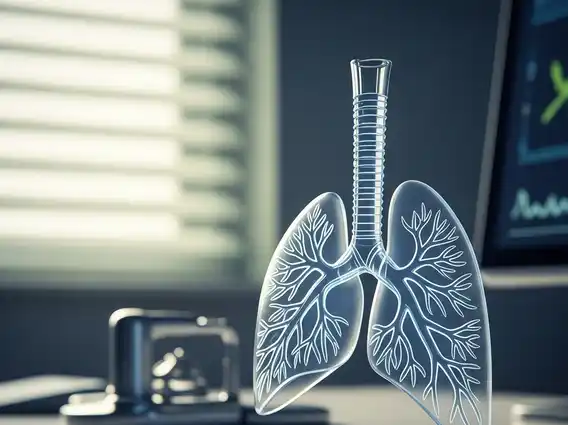
The bronchial system anatomy and function begin with the trachea, which divides into two main bronchi—one for each lung. These primary bronchi then further divide into smaller passages. Within the lungs, these main bronchi split into lobar bronchi, which supply the lobes of the lungs. These, in turn, divide into segmental bronchi, leading to specific segments of lung tissue. The branching continues, becoming progressively smaller, until they reach the tiny bronchioles, which are less than 1 millimeter in diameter and lack cartilage.
Bronchial Tree Respiratory System
The intricate network of air passages within the lungs is often referred to as the bronchial tree respiratory system due to its resemblance to an inverted tree. Just like the branches of a tree, the bronchial tubes repeatedly divide, becoming narrower and more numerous as they extend deeper into the lung tissue. This extensive branching ensures that inhaled air can efficiently reach all parts of the lungs, maximizing the surface area available for oxygen absorption.
Function of Bronchial Tubes
The primary function of what are bronchial tubes is to serve as conduits for air, ensuring a clear pathway for oxygen to reach the alveoli and for carbon dioxide to be expelled. Beyond simple air conduction, the bronchial tubes play several other vital roles. They help to warm and humidify the incoming air, protecting the delicate lung tissue from dry, cold air. Furthermore, the inner lining of the bronchial tubes is covered with cilia (tiny hair-like structures) and mucus-producing cells. The mucus traps dust, pollen, and other foreign particles, while the cilia rhythmically sweep these trapped particles upwards, out of the lungs, preventing them from reaching the sensitive alveoli and causing infection or irritation.
Maintaining Bronchial Health
To learn about bronchial health is to understand the importance of protecting these vital airways from damage and disease. Maintaining healthy bronchial tubes is crucial for efficient breathing and overall respiratory well-being. Simple lifestyle choices can significantly impact bronchial health. Avoiding exposure to irritants such as cigarette smoke, air pollution, and occupational dusts is paramount, as these can inflame and damage the bronchial lining. Regular physical activity helps strengthen the respiratory muscles and improve lung capacity. Staying well-hydrated keeps the mucus thin and effective in trapping particles. Furthermore, practicing good hygiene, like frequent handwashing, can help prevent respiratory infections that might affect the bronchial tubes.