
Breast Implant
A breast implant is a medical device surgically placed under the breast tissue or chest muscle to increase breast size, reconstruct the breast after mastectomy, or correct asymmetry. These devices are widely used in both cosmetic and reconstructive breast surgeries.
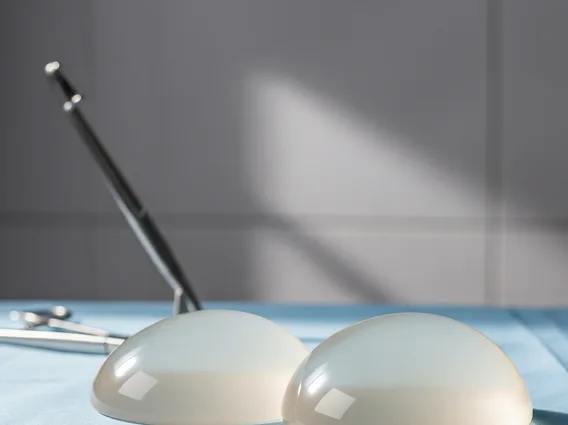
Key Takeaways
- Breast implants are medical devices used for augmentation or reconstruction, consisting of a silicone shell filled with either saline or silicone gel.
- The primary types of breast implants are saline-filled and silicone-filled, each with distinct characteristics and considerations.
- Implants are not lifetime devices; how long do breast implants last typically ranges from 10 to 20 years, often requiring replacement.
- Understanding breast implant risks and benefits is crucial, encompassing potential complications like capsular contracture or rupture, alongside benefits such as improved body image.
- Regular monitoring and follow-up are essential for individuals with breast implants to detect and manage potential issues early.
What is a Breast Implant?
A breast implant is a prosthetic device designed to be surgically inserted into the breast area. Its primary uses include breast augmentation, which enhances breast size and shape for cosmetic reasons, and breast reconstruction, often performed after a mastectomy due to cancer or trauma. Implants can also be used to correct developmental abnormalities or significant asymmetry, providing a more balanced appearance.
What Are Breast Implants Made Of?
The construction of breast implants typically involves a robust outer shell made of silicone elastomer. This shell is designed to be durable and biocompatible with the human body. Inside this shell, the implant is filled with one of two primary substances:
- Saline Solution: These implants are filled with a sterile saltwater solution, similar to the fluid found in the human body. Saline implants can sometimes be filled during surgery, allowing for adjustments to breast size.
- Silicone Gel: These implants are pre-filled with a cohesive silicone gel. Modern silicone gels are designed to be “gummy bear” like, maintaining their shape and minimizing leakage even if the shell is compromised.
Both types of implants are approved by the U.S. Food and Drug Administration (FDA) for specific indications and age groups, and their choice depends on individual patient needs, desired aesthetic, and surgeon recommendation.
Types of Breast Implants
Beyond their filling material, types of breast implants also vary in shape, surface texture, and profile, offering a range of options to achieve different aesthetic outcomes. The two main categories based on filler are:
- Saline Implants: These consist of a silicone shell filled with sterile saline solution. They are often preferred for their ability to be filled after insertion, allowing for smaller incisions, and for the fact that a rupture is immediately noticeable as the saline is absorbed by the body.
- Silicone Implants: These are pre-filled with a silicone gel. They are often chosen for their more natural feel and appearance, closely mimicking natural breast tissue. However, detecting a rupture may require imaging such as an MRI, as the gel can remain within the implant capsule.
Implants also come in different shapes—round or anatomically shaped (teardrop)—and with varying surface textures—smooth or textured. Textured implants were once thought to reduce capsular contracture but have been associated with a rare type of cancer, Breast Implant-Associated Anaplastic Large Cell Lymphoma (BIA-ALCL), leading to a decline in their use and some recalls, as noted by the FDA.
Breast Implant Lifespan, Risks, and Benefits
It is important for individuals considering or living with breast implants to understand their longevity and the associated potential outcomes. Implants are not lifetime devices, and their presence involves both advantages and potential complications.
How long do breast implants last is a common question, and the answer is that they typically last between 10 to 20 years, but this can vary significantly. Many individuals may require removal or replacement surgery within 10 years due to complications or simply a desire for a different size or shape. The need for reoperation is a significant factor to consider when choosing implants.
Understanding the breast implant risks and benefits is crucial for informed decision-making. The benefits primarily include:
- Cosmetic Enhancement: Improved breast size, shape, and symmetry, leading to enhanced self-esteem and body image.
- Reconstruction: Restoration of breast volume and contour after mastectomy, significantly impacting psychological well-being.
However, like any surgical procedure involving medical devices, there are potential risks and complications:
- Capsular Contracture: This is the most common complication, where scar tissue around the implant tightens, causing pain, hardness, and distortion of the breast. According to the American Society of Plastic Surgeons, the incidence can range from 10-15% for primary augmentation.
- Rupture or Leakage: Implants can rupture, either due to trauma or simply over time. Saline ruptures are often obvious, while silicone ruptures may be silent and require imaging for detection.
- Infection: A risk with any surgery, potentially requiring implant removal.
- Pain and Changes in Sensation: Chronic pain or altered nipple/breast sensation can occur.
- Rippling or Wrinkling: Visible folds or wrinkles in the implant, particularly noticeable in thinner patients.
- Breast Implant-Associated Anaplastic Large Cell Lymphoma (BIA-ALCL): A rare but serious type of non-Hodgkin’s lymphoma, primarily associated with textured implants. The FDA continues to monitor and update information on this risk.
- Need for Additional Surgeries: Due to complications, aesthetic changes, or the limited lifespan of the implants, further surgeries may be necessary.
Regular follow-up with a healthcare provider, including imaging for silicone implants, is recommended to monitor implant integrity and address any concerns promptly.



















