
Breast Duct
A breast duct is a vital component of the female mammary gland, playing a crucial role in lactation. Understanding its structure and function is key to comprehending various breast health concerns.
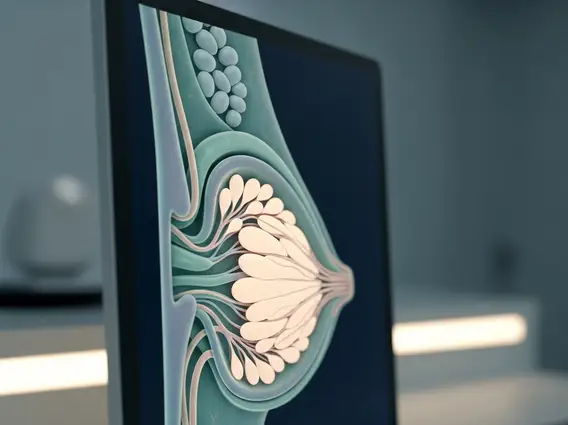
Key Takeaways
- Breast ducts are a network of tubes that transport milk from the lobules to the nipple.
- Their primary function is efficient milk delivery during breastfeeding.
- Conditions such as duct ectasia, intraductal papillomas, and blockages can affect breast ducts.
- Symptoms of blocked breast duct include localized pain, swelling, and a palpable lump.
- Early detection and medical consultation are important for managing any duct-related issues.
What is a Breast Duct? Anatomy & Function
To understand breast health, it’s essential to define what is a Breast Duct. Breast ducts are a complex network of thin tubes within the breast tissue, fundamental for both milk production and its subsequent transport. These ducts originate in the tiny milk-producing glands called lobules and progressively merge into larger channels that ultimately converge at the nipple. This intricate system forms the core of the mammary gland’s functional anatomy.
The Breast duct function and anatomy are highly specialized to facilitate lactation. Each breast typically contains 15 to 20 lobes, and within these lobes are numerous smaller lobules where milk is synthesized. From the lobules, milk travels through a series of increasingly larger ducts, known as lactiferous ducts, which eventually open onto the surface of the nipple. Just beneath the nipple, these main ducts often widen slightly to form lactiferous sinuses, which can temporarily store milk. The entire ductal system is lined with epithelial cells and surrounded by myoepithelial cells, which contract to help propel milk towards the nipple during breastfeeding. The primary function of these ducts is to ensure the efficient and directed flow of milk from the secretory units to the outside, enabling successful infant feeding.
Common Breast Duct Conditions
Several conditions can affect the breast ducts, leading to a range of symptoms and requiring medical attention. Understanding these Common breast duct conditions is crucial for maintaining overall breast health. One prevalent condition is duct ectasia, characterized by the widening and thickening of a milk duct, often accompanied by inflammation. This condition typically affects women nearing menopause and can manifest as nipple discharge (which may be clear, green, or black), nipple tenderness, or a palpable lump behind the nipple. Another common issue is intraductal papilloma, a small, benign (non-cancerous) growth that forms inside a milk duct, usually close to the nipple. These growths are a frequent cause of spontaneous nipple discharge, which can be clear, sticky, or bloody. While most papillomas are benign, some may contain atypical cells or, if multiple papillomas are present, can slightly increase the risk of breast cancer.
Symptoms of Blocked Breast Ducts
A blocked breast duct, also known as a plugged duct, occurs when the flow of milk is obstructed within the ductal system. This can be triggered by factors such as infrequent or incomplete emptying of the breast, external pressure on the breast, or an oversupply of milk. Recognizing the Symptoms of blocked breast duct is vital for prompt management and to prevent complications. These symptoms typically include:
- A tender, painful lump or a hard area within the breast tissue.
- Localized redness and swelling over the affected area of the breast.
- Pain or discomfort that may intensify during breastfeeding or when the breast is full.
- A small white spot or blister on the nipple (known as a milk bleb), indicating a blockage at the duct’s opening.
- A persistent feeling of fullness or engorgement in the breast, even after a feeding session.
If a blocked duct is not addressed, it can sometimes progress to mastitis, a bacterial infection of the breast tissue, which presents with more severe symptoms such as fever, chills, body aches, and increased pain. Early identification and treatment of a blocked duct are important to alleviate discomfort and prevent further complications.



















