
Bone Densitometry
Bone densitometry is a crucial diagnostic tool used to measure bone mineral density, providing vital insights into bone health. This non-invasive test helps in the early detection and management of conditions like osteoporosis.
Key Takeaways
- Bone densitometry is a non-invasive test, primarily using DXA, to measure bone mineral density (BMD).
- It is essential for diagnosing osteoporosis, assessing fracture risk, and monitoring treatment effectiveness.
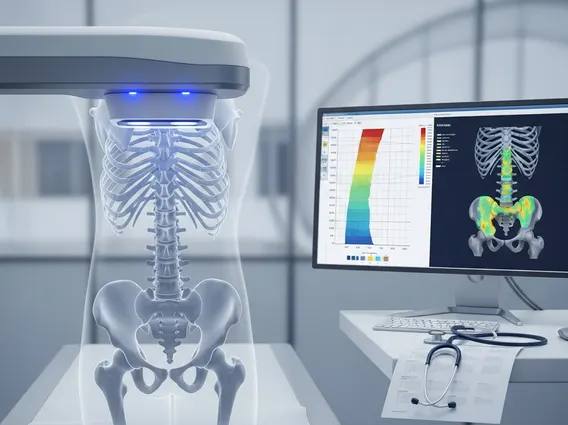
- The DXA scan is quick, painless, and involves lying still while a low-dose X-ray scanner passes over the body.
- Results are interpreted using T-scores (comparing to healthy young adults) and Z-scores (comparing to age-matched peers).
- Scores classify bone health into normal, osteopenia, or osteoporosis, guiding medical decisions and lifestyle recommendations.
What is Bone Densitometry?
Bone densitometry is a specialized X-ray technology, most commonly Dual-energy X-ray Absorptiometry (DXA or DEXA), used to measure bone mineral density (BMD). This measurement helps healthcare providers assess the strength of your bones and determine your risk of fractures. It is a key diagnostic tool for conditions that affect bone health, particularly osteoporosis.
Purpose of Bone Densitometry
The primary purpose of bone densitometry is to diagnose osteoporosis, a condition characterized by brittle and fragile bones, making them more susceptible to fractures. It also helps to:
- Identify bone loss early, often before a fracture occurs.
- Assess an individual’s risk of future fractures.
- Monitor the effectiveness of osteoporosis treatments.
- Confirm a diagnosis of osteoporosis if you’ve already experienced a fracture.
According to the International Osteoporosis Foundation, osteoporosis causes more than 8.9 million fractures annually worldwide, highlighting the critical role of early diagnosis through tests like bone densitometry in preventing severe health outcomes.
How Bone Densitometry Works
Understanding how bone densitometry works involves recognizing the technology behind it. The most common method, DXA, uses two different X-ray beams with varying energy levels. These beams are passed through the body, and a detector measures how much of each beam is absorbed by the bone and soft tissue. By subtracting the soft tissue absorption from the total, the bone mineral density can be accurately calculated.
The DXA Scan Procedure
During a DXA scan, you will typically lie comfortably on a padded table while a mechanical arm passes over your body. The X-ray beams are very low dose, significantly less than a standard chest X-ray. The areas most commonly scanned are the lower spine and hips, as these sites are prone to osteoporotic fractures and provide reliable indicators of overall bone health.
What to Expect During the Test
A bone densitometry test explanation usually emphasizes its simplicity and non-invasiveness. The procedure is quick, typically lasting only 10 to 20 minutes, and is entirely painless. You will be asked to lie still to ensure clear images. There is usually no special preparation required, though you should inform your doctor if you are pregnant or have recently had other imaging tests involving contrast agents, as these might interfere with the results.
Interpreting Your Bone Densitometry Results
After your bone densitometry scan, a healthcare professional will review the images and provide a report. Understanding bone densitometry results is crucial for making informed decisions about your bone health and any necessary treatment plans. The results are primarily expressed as T-scores and Z-scores.
Understanding T-Scores and Z-Scores
Your bone densitometry report will include two key scores:
- T-score: This number compares your bone density to that of a healthy young adult of the same sex. It is the most important score for diagnosing osteoporosis.
- Z-score: This number compares your bone density to that of an average person of your same age, sex, and ethnic background. A very low Z-score might suggest that there are other factors contributing to bone loss besides normal aging.
What Your Scores Mean
The T-score is used to classify your bone mineral density into categories, helping to determine your risk of fracture and the presence of osteoporosis. Here’s a general guide:
| T-Score Range | Bone Health Category |
|---|---|
| Above -1.0 | Normal Bone Density: Your bone density is considered healthy. |
| Between -1.0 and -2.5 | Osteopenia: Your bone density is lower than normal, indicating an increased risk of developing osteoporosis. |
| At or below -2.5 | Osteoporosis: Your bone density is significantly low, signifying a high risk of fractures. |
Your doctor will discuss these results with you, considering your overall health, medical history, and other risk factors to formulate a personalized plan for maintaining or improving your bone health.



















