Blood Vessel
Blood vessels are crucial components of the circulatory system, forming an intricate network that transports blood throughout the body. Understanding these vital conduits is fundamental to comprehending overall human physiology and health.
Key Takeaways
- Blood vessels are the body’s transport system, carrying blood, oxygen, nutrients, and waste products.
- There are three main types: arteries (carry blood away from the heart), veins (carry blood towards the heart), and capillaries (facilitate exchange).
- Their structure, including layers like the tunica intima, media, and adventitia, is adapted for their specific functions.
- The efficient functioning of blood vessels is essential for maintaining homeostasis and delivering vital resources to every cell.
What is a Blood Vessel?
A blood vessel is a tubular structure that carries blood through the tissues and organs, forming a critical part of the circulatory system. These vital conduits, known collectively as what are blood vessels, ensure that oxygen and nutrients reach every cell while metabolic waste products are efficiently removed. To answer the question, what is Blood Vessel, it is essentially the body’s intricate plumbing system, vital for sustaining life and maintaining overall health.
Structure of Blood Vessels Explained
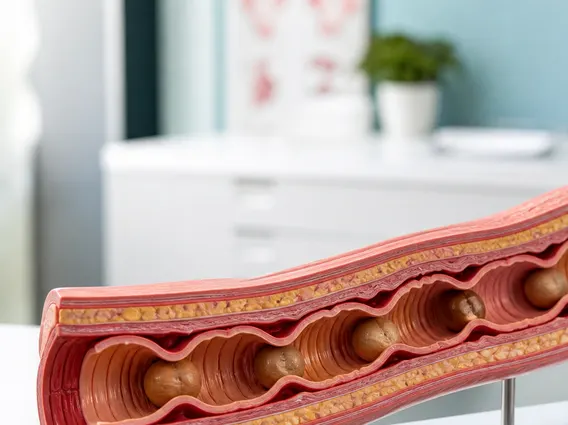
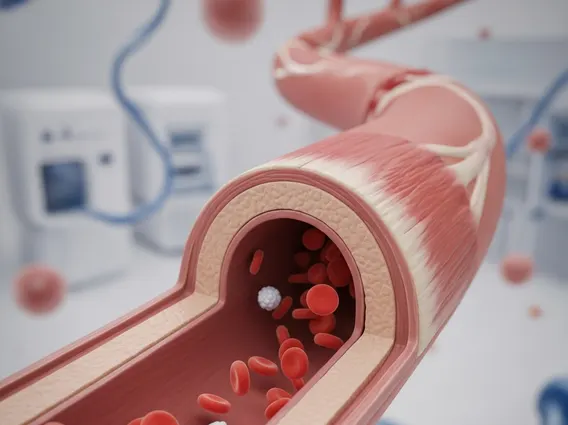
The fundamental structure of blood vessels explained reveals a sophisticated design tailored to their diverse roles. Most blood vessels, particularly arteries and veins, are composed of three distinct layers, or tunics, each contributing to their function:
- Tunica Intima (Innermost Layer): This layer is in direct contact with the blood. It consists of a smooth endothelial lining that minimizes friction, allowing blood to flow freely. It also plays a crucial role in regulating vascular tone and influencing blood clotting.
- Tunica Media (Middle Layer): Primarily composed of smooth muscle cells and elastic fibers, this layer is responsible for controlling the diameter of the vessel. By contracting or relaxing, it regulates blood flow and pressure throughout the body. Arteries, especially large ones, have a thicker tunica media due to the higher pressure they withstand.
- Tunica Adventitia (Outermost Layer): Made of strong connective tissue, this layer provides structural support and anchors the vessel to surrounding tissues. It also contains small nerves and blood vessels (vasa vasorum) that supply the walls of larger vessels.
Capillaries, however, are much simpler, consisting of only a single layer of endothelial cells, which facilitates the efficient exchange of substances between blood and tissues.
How Blood Vessels Work: Types and Functions
To understand how do blood vessels work, it’s essential to recognize the distinct roles of their primary types and their coordinated action. The circulatory system relies on a continuous loop where the heart pumps blood into arteries, which branch into smaller arterioles, then into capillaries where exchange occurs. From capillaries, blood collects into venules, which merge to form veins, returning blood to the heart. This intricate network ensures the efficient distribution of blood, oxygen, nutrients, hormones, and the removal of waste products throughout the body. The dynamic regulation of blood vessel diameter, primarily by the smooth muscle in the tunica media, allows the body to control blood pressure and direct blood flow to areas of greatest need, such as muscles during exercise.
The types of blood vessels and functions are categorized as follows:
| Type of Blood Vessel | Primary Function | Key Characteristics |
|---|---|---|
| Arteries | Carry oxygenated blood away from the heart to the body’s tissues (pulmonary arteries are an exception, carrying deoxygenated blood to the lungs). | Thick, muscular, and elastic walls to withstand high pressure. Branch into smaller arterioles, which regulate blood flow into capillary beds. |
| Capillaries | Facilitate the exchange of oxygen, nutrients, and waste products between blood and tissues, and absorb carbon dioxide and other metabolic wastes. | Extremely narrow, thin-walled (one endothelial cell thick), forming extensive networks (capillary beds) to maximize surface area for exchange. |
| Veins | Carry deoxygenated blood from the body’s tissues back to the heart (pulmonary veins are an exception, carrying oxygenated blood from the lungs to the heart). | Thinner walls and larger lumens than arteries, operating under lower pressure. Contain one-way valves, particularly in the limbs, to prevent backflow of blood against gravity. |
The continuous circulation of blood, driven by the heart’s pumping action, relies on the structural integrity and functional efficiency of this entire vascular network. For instance, according to the World Health Organization (WHO), cardiovascular diseases, often involving blood vessel dysfunction like atherosclerosis, remain the leading cause of death globally, accounting for an estimated 17.9 million lives each year. This statistic underscores the critical importance of healthy blood vessels for overall well-being.