Blood Test
A blood test is a common medical procedure that involves taking a sample of blood from your body for analysis in a laboratory. These tests are vital tools for understanding your overall health and detecting potential medical conditions.
Key Takeaways
- Blood tests analyze samples to provide crucial insights into your health.
- Doctors order them for diagnosis, monitoring, screening, and assessing organ function.
- There are various types of blood tests, each designed to check specific components or markers.
- Preparation often involves fasting or adjusting medication, depending on the specific test.
- Results help guide treatment decisions and manage health effectively.
What is a Blood Test?
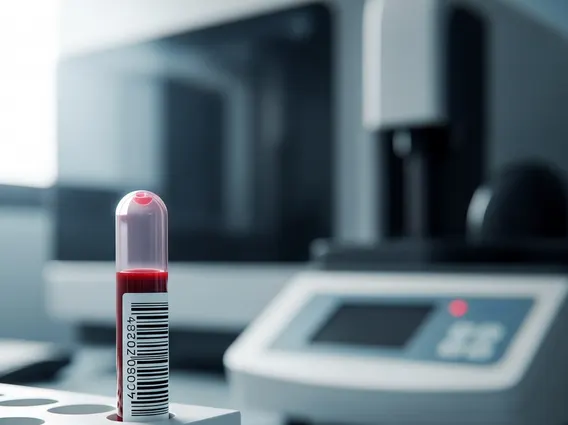
A blood test, also known as a blood draw or phlebotomy, is a medical procedure that involves taking a sample of blood from a vein, usually in your arm, for laboratory analysis. This essential diagnostic tool helps healthcare professionals understand the intricate composition of your blood, which can reveal a wealth of information about your overall health. The core purpose of addressing what is a blood test is to examine various components like cells, proteins, glucose, and electrolytes, providing a snapshot of your body’s internal workings. The results can indicate the presence of diseases, assess organ function, or monitor the effectiveness of treatments.
Why Doctors Order Blood Tests
Doctors frequently order blood tests for a multitude of reasons, making them an indispensable part of modern medicine. The primary objective behind why do doctors order blood tests is to gather objective data that aids in diagnosis, disease monitoring, and preventive care. For instance, according to the Centers for Disease Control and Prevention (CDC), routine blood tests are crucial for the early detection of conditions like diabetes and high cholesterol, which affect millions globally.
- Diagnosing Illnesses: Blood tests can identify infections, anemia, inflammation, and various chronic diseases by detecting specific markers or abnormal cell counts.
- Monitoring Chronic Conditions: For patients with conditions like diabetes, kidney disease, or thyroid disorders, regular blood tests help track disease progression and treatment efficacy.
- Screening for Health Risks: They can screen for potential health problems before symptoms appear, such as checking cholesterol levels to assess heart disease risk or glucose levels for diabetes risk.
- Assessing Organ Function: Tests can evaluate how well organs like the liver, kidneys, and thyroid are functioning by measuring enzyme levels, waste products, or hormones.
- Checking Medication Levels: For certain medications, blood tests ensure that drug levels in the body are within a therapeutic range, preventing toxicity or ineffectiveness.
Types of Blood Tests & Preparation
The world of blood tests is vast, with each type designed to provide specific insights into different aspects of your health. Understanding the various categories and how to prepare for them is crucial for accurate results. This section will delve into types of blood tests explained and provide guidance on preparation.
Common Blood Test Categories
Here are some of the most frequently performed blood tests:
- Complete Blood Count (CBC): This test measures red blood cells, white blood cells, and platelets, helping to detect anemia, infection, and blood disorders.
- Basic Metabolic Panel (BMP): It assesses glucose, electrolytes (sodium, potassium, calcium), and kidney function markers (BUN, creatinine).
- Comprehensive Metabolic Panel (CMP): An expanded version of the BMP, it also includes liver function tests (ALT, AST, ALP, bilirubin) and protein levels.
- Lipid Panel: This measures cholesterol (total, LDL, HDL) and triglycerides to assess cardiovascular disease risk.
- Thyroid Panel: Checks thyroid-stimulating hormone (TSH) and thyroid hormones (T3, T4) to evaluate thyroid gland function.
- Hemoglobin A1c (HbA1c): Provides an average blood sugar level over the past 2-3 months, used for diagnosing and monitoring diabetes.
How to Prepare for Your Blood Test
Proper preparation is essential to ensure the accuracy of your blood test results. How to prepare for a blood test often depends on the specific type of test ordered by your doctor. Always follow your healthcare provider’s specific instructions, but general guidelines include:
- Fasting: For certain tests, such as lipid panels or glucose tests, you may be required to fast for 8-12 hours before the blood draw. This means no food or drinks other than water.
- Medications: Discuss with your doctor whether you should take your regular medications before the test. Some medications can affect results.
- Hydration: Drink plenty of water before your appointment, especially if fasting. Being well-hydrated can make it easier to draw blood.
- Avoid Alcohol and Strenuous Exercise: It’s generally advisable to avoid alcohol and intense physical activity for at least 24 hours prior to your test, as they can sometimes influence results.
- Inform the Phlebotomist: Let the person drawing your blood know if you feel anxious, lightheaded, or have a history of fainting.