
Blood Stem Cell
Blood stem cells are remarkable cells with the unique ability to develop into all types of blood cells, playing a critical role in maintaining our body’s health. They are essential for renewing the blood system throughout life, ensuring a constant supply of vital components.
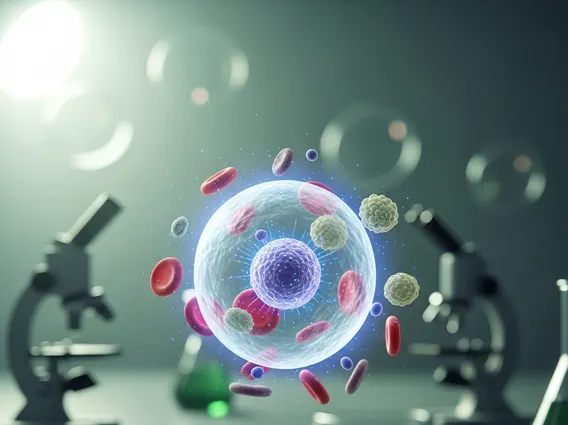
Key Takeaways
- Blood stem cells are undifferentiated cells primarily found in the bone marrow, capable of self-renewal and differentiating into all blood cell types.
- Their main function is hematopoiesis, the continuous production of red blood cells, white blood cells, and platelets.
- There are different types of blood stem cells, including multipotent hematopoietic stem cells (HSCs) and more committed progenitor cells.
- The importance of blood stem cells lies in their vital role in maintaining overall health, immune function, and their therapeutic potential in treating various diseases.
- These cells are crucial for life-saving treatments like bone marrow transplants for conditions such as leukemia and certain immune disorders.
What Are Blood Stem Cells?
At the core of our circulatory and immune systems are blood stem cells, which are specialized, undifferentiated cells primarily residing in the bone marrow. These cells possess two defining characteristics: self-renewal, meaning they can divide to produce more stem cells, and multipotency, indicating their capacity to differentiate into all mature blood cell types. Understanding what are blood stem cells reveals their fundamental role as the progenitors of the entire hematopoietic system, continuously replenishing the body’s blood supply.
Each day, billions of new blood cells are produced from these stem cells, replacing old or damaged cells and responding to the body’s needs, such as fighting infections or repairing injuries. This continuous process is vital for sustaining life and maintaining physiological balance.
Blood Stem Cell Functions and Types
The intricate processes governed by blood stem cells are fundamental to human health, encompassing both the continuous production of blood components and their classification based on developmental potential.
Primary Roles of Blood Stem Cells
The primary blood stem cell function is to orchestrate hematopoiesis, the complex process of forming all blood cell types. This includes:
- Red Blood Cells (Erythrocytes): Responsible for oxygen transport throughout the body.
- White Blood Cells (Leukocytes): Key components of the immune system, defending against infections and foreign invaders. This category includes neutrophils, lymphocytes, monocytes, eosinophils, and basophils.
- Platelets (Thrombocytes): Essential for blood clotting and preventing excessive bleeding.
Through these roles, blood stem cells ensure the constant renewal and functionality of the blood system, which is critical for oxygen delivery, immune defense, and hemostasis.
Classifying Blood Stem Cells
While often referred to broadly, there are distinct types of blood stem cells based on their differentiation potential and stage of development. The main classification includes:
- Hematopoietic Stem Cells (HSCs): These are the most primitive blood stem cells, characterized by their long-term self-renewal capacity and multipotency, meaning they can give rise to all blood cell lineages. They reside predominantly in the bone marrow.
- Progenitor Cells: Derived from HSCs, progenitor cells are more committed to specific lineages (e.g., myeloid progenitors, lymphoid progenitors). They have limited self-renewal capacity but a higher proliferation rate, quickly producing large numbers of mature cells.
This hierarchical organization ensures an efficient and regulated production of diverse blood cells, adapting to the body’s physiological demands.
The Importance of Blood Stem Cells
The profound importance of blood stem cells extends beyond their daily physiological roles to their critical applications in modern medicine. Their unique ability to regenerate the entire blood and immune system makes them invaluable for therapeutic interventions. For instance, blood stem cell transplantation, often referred to as bone marrow transplant, is a life-saving procedure for patients suffering from various life-threatening conditions.
These conditions include:
- Leukemia and Lymphoma
- Myelodysplastic Syndromes
- Severe Aplastic Anemia
- Certain inherited immune system disorders and metabolic diseases
According to the World Marrow Donor Association (WMDA), hundreds of thousands of stem cell transplants have been performed globally, highlighting their significant impact on patient survival and quality of life. The continuous research into blood stem cells also holds promise for developing new treatments for a wider range of diseases, further underscoring their immense medical and scientific value.



















