
Blood Clot
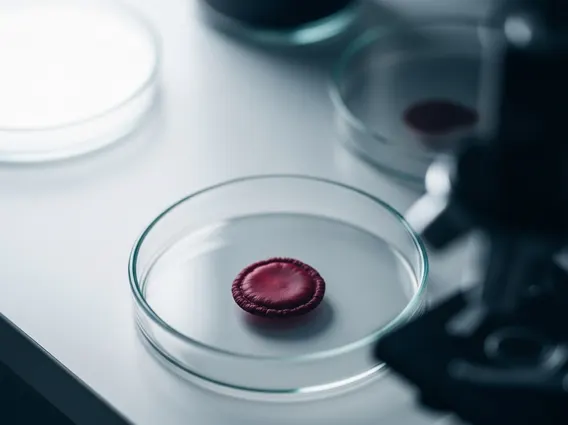
A blood clot, also known as a thrombus, is a gel-like mass formed by platelets and fibrin in the blood. While essential for stopping bleeding, abnormal clots can obstruct blood flow and lead to serious health complications.
Key Takeaways
- A blood clot is a solidified mass of blood that can form inside blood vessels, potentially blocking circulation.
- Symptoms vary greatly depending on the clot’s location, ranging from swelling and pain in a limb to chest pain and shortness of breath.
- Risk factors include prolonged immobility, surgery, certain medical conditions, and genetic predispositions.
- Prevention involves lifestyle changes like regular movement and, in some cases, medication.
- Treatment options range from anticoagulant medications to dissolve or prevent growth, to surgical removal in critical situations.
What is Blood Clot: Definition and Causes
Understanding what is Blood Clot is crucial for recognizing its potential dangers. Essentially, what is a blood clot is a protective mechanism where blood thickens and clumps together to seal injured blood vessels and prevent excessive bleeding. However, when this process occurs inappropriately inside a healthy blood vessel, it can impede blood flow, leading to serious health issues such as deep vein thrombosis (DVT), pulmonary embolism (PE), heart attack, or stroke.
Types of Blood Clots
Blood clots are broadly categorized by where they form:
- Arterial Clots: These form in arteries, which carry oxygenated blood from the heart to the body. They are often associated with conditions like atherosclerosis and can lead to heart attacks or strokes by blocking blood flow to vital organs.
- Venous Clots: These form in veins, which carry deoxygenated blood back to the heart. The most common type is deep vein thrombosis (DVT), usually occurring in the legs. If a piece of a DVT breaks off and travels to the lungs, it can cause a life-threatening pulmonary embolism (PE).
Common Risk Factors
Several factors can increase an individual’s risk of developing a blood clot. According to the Centers for Disease Control and Prevention (CDC), an estimated 900,000 people in the United States are affected by blood clots each year, with approximately 60,000-100,000 deaths annually.
- Prolonged Immobility: Long flights, bed rest, or recovery from surgery can slow blood flow, increasing clot risk.
- Surgery and Trauma: Major surgeries, especially orthopedic procedures, and severe injuries can damage blood vessels, triggering clot formation.
- Certain Medical Conditions: Cancer, heart failure, inflammatory bowel disease, and autoimmune disorders can heighten risk.
- Genetic Predisposition: Some inherited conditions can make blood more prone to clotting.
- Hormonal Factors: Pregnancy, oral contraceptives, and hormone replacement therapy can increase clotting risk.
- Age and Lifestyle: Being over 60, obesity, and smoking are also significant contributors.
Blood Clot Symptoms and How to Prevent Them
Early recognition of blood clot symptoms and causes is vital for prompt medical intervention. Symptoms vary significantly based on the clot’s location, making it important to be aware of specific signs.
Recognizing Symptoms by Location
Symptoms often manifest differently depending on where the clot forms:
- In a Leg or Arm (DVT): Swelling, pain or tenderness (often described as a cramp or charley horse), redness or discoloration of the skin, and warmth to the touch.
- In the Lungs (Pulmonary Embolism – PE): Sudden shortness of breath, sharp chest pain (worsened by deep breathing), rapid heart rate, coughing (sometimes with bloody mucus), and lightheadedness or fainting.
- In the Heart (Heart Attack): Chest pain or discomfort, shortness of breath, pain in one or both arms, the back, neck, jaw, or stomach, and cold sweat.
- In the Brain (Stroke): Sudden weakness or numbness on one side of the body, difficulty speaking or understanding speech, sudden vision changes, and severe headache.
Effective Prevention Strategies
Knowing how to prevent blood clots involves a combination of lifestyle adjustments and, in some cases, medical interventions.
- Stay Active: Regular physical activity helps maintain healthy blood flow. If you’re sedentary for long periods, stand up and move around every hour or two.
- Hydration: Drink plenty of fluids to prevent dehydration, which can thicken blood.
- Compression Stockings: For individuals at high risk, graduated compression stockings can help improve circulation in the legs.
- Medication: Your doctor might prescribe anticoagulant medications (blood thinners) if you have a high risk due to surgery, certain medical conditions, or a history of clots.
- Avoid Smoking: Smoking damages blood vessels and increases clotting risk.
- Manage Underlying Conditions: Effectively managing conditions like diabetes, high blood pressure, and high cholesterol can reduce overall risk.
Treatment Options for Blood Clots
Once a blood clot is diagnosed, prompt treatment is essential to prevent serious complications. Blood clot treatment options explained here aim to stop the clot from growing, prevent it from traveling, and eventually dissolve it.
Medical Interventions and Procedures
Treatment approaches are tailored to the clot’s location, size, and the patient’s overall health:
- Anticoagulants (Blood Thinners): These medications, such as warfarin, heparin, or direct oral anticoagulants (DOACs), prevent existing clots from growing larger and reduce the risk of new clots forming. They do not dissolve existing clots but allow the body’s natural processes to break them down over time.
- Thrombolytics (Clot Busters): For severe or life-threatening clots, particularly in cases of massive pulmonary embolism or stroke, thrombolytic drugs can be administered intravenously to rapidly dissolve the clot. These are powerful medications used under strict medical supervision due to the risk of bleeding.
- Catheter-Directed Thrombolysis: A catheter is guided to the clot, and thrombolytic medication is delivered directly to the clot site, minimizing systemic exposure.
- Thrombectomy: In some urgent situations, especially for large clots in arteries or veins, a surgical procedure called thrombectomy may be performed to physically remove the clot.
- Vena Cava Filters: For patients who cannot take anticoagulants, a filter may be placed in the inferior vena cava (a large vein in the abdomen) to catch blood clots traveling from the legs to the lungs, preventing PE.
Long-Term Management and Recovery
Recovery from a blood clot often involves ongoing management to prevent recurrence and address any lingering effects.
- Extended Anticoagulation: Many patients will need to continue anticoagulant therapy for several months or even indefinitely, depending on the cause of the clot and their risk factors. Regular monitoring and follow-up with a healthcare provider are crucial.
- Post-Thrombotic Syndrome (PTS): After a DVT, some individuals may develop PTS, characterized by chronic pain, swelling, and skin changes in the affected limb. Compression stockings and elevation can help manage symptoms.
- Lifestyle Modifications: Maintaining a healthy weight, staying physically active, avoiding smoking, and managing chronic conditions remain important long-term strategies to reduce the risk of future clots.
- Regular Check-ups: Ongoing medical supervision helps monitor for potential complications, adjust medication as needed, and provide guidance on a healthy lifestyle.



















