
Bladder
The bladder is a vital organ in the human urinary system, responsible for storing urine before it is expelled from the body. Understanding its structure and function is crucial for maintaining overall health.
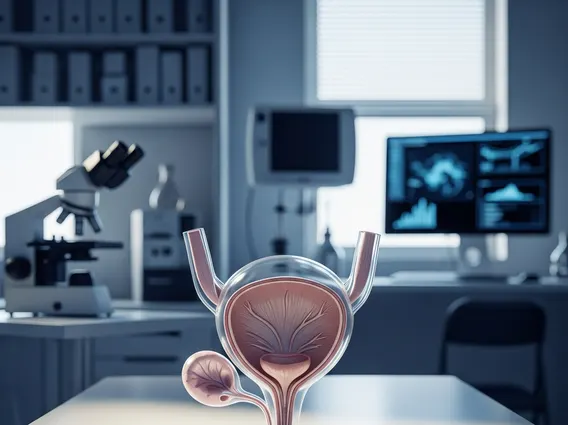
Key Takeaways
- The bladder is a muscular, expandable organ located in the pelvis, designed for urine storage.
- Its primary function involves collecting urine from the kidneys and releasing it through the urethra.
- The process of urination is a complex interplay between bladder muscles, sphincters, and the nervous system.
- Various conditions, from infections to neurological issues, can lead to common bladder problems and symptoms.
- Recognizing signs like urgency, frequent urination, or pain is important for timely medical evaluation.
What is the Bladder: Anatomy and Structure
The bladder is a hollow, muscular organ located in the pelvis, whose primary role is to store urine. To understand what is Bladder, it’s essential to recognize it as a key component of the urinary tract, acting as a temporary reservoir for urine produced by the kidneys. Its remarkable elasticity allows it to expand significantly as it fills.
Location and Key Components
The anatomy of the bladder in humans positions it behind the pubic bone, varying slightly in location between sexes due to other pelvic organs. Its wall is primarily composed of the detrusor muscle, a smooth muscle that contracts to expel urine. At the base of the bladder, a triangular region called the trigone is particularly sensitive to stretch, signaling the brain when the bladder is full. Two sphincter muscles—the internal (involuntary) and external (voluntary) urethral sphincters—control the flow of urine out of the bladder and into the urethra.
How the Bladder Works: Function and Process
The primary function of the bladder is to store urine until a suitable time for urination. This process is highly regulated and involves a sophisticated coordination between the bladder, nervous system, and pelvic floor muscles. Understanding how does the human bladder work involves recognizing both its storage and voiding phases.
Urine Storage and Release
During the storage phase, urine continuously flows from the kidneys, through the ureters, and into the bladder. The detrusor muscle remains relaxed, allowing the bladder to expand, while the internal and external urethral sphincters remain contracted to prevent leakage. As the bladder fills, stretch receptors in its wall send signals to the brain, creating the sensation of needing to urinate. When urination is initiated, the brain sends signals that cause the detrusor muscle to contract and both sphincters to relax, allowing urine to flow out of the body through the urethra.
Common Bladder Problems and Symptoms
A range of conditions can affect bladder health, leading to various uncomfortable and sometimes serious issues. Recognizing common bladder problems and symptoms is crucial for early detection and effective management.
Overview of Bladder Conditions
Some of the most prevalent bladder conditions include urinary tract infections (UTIs), which are bacterial infections that can affect any part of the urinary system. According to the National Institute of Diabetes and Digestive and Kidney Diseases (NIDDK), UTIs are very common, especially among women, with more than half of all women experiencing at least one UTI in their lifetime. Other conditions include overactive bladder (OAB), characterized by sudden urges to urinate; urinary incontinence, which is the involuntary leakage of urine; and interstitial cystitis, a chronic condition causing bladder pain and pressure.
Key Signs to Watch For
Symptoms of bladder problems can vary widely depending on the underlying condition. Key signs to watch for include: increased urinary frequency (needing to urinate more often than usual), urgency (a sudden, strong need to urinate), pain or burning during urination, blood in the urine, cloudy or strong-smelling urine, and leakage of urine. Persistent pelvic pain or discomfort, especially in the lower abdomen, can also indicate a bladder issue. If any of these symptoms are experienced, it is advisable to consult a healthcare professional for an accurate diagnosis and appropriate treatment.



















