Bispecific Antibody
Bispecific antibodies represent a groundbreaking class of therapeutic proteins engineered to target two distinct antigens simultaneously. This unique design allows them to bridge different cells or molecules, offering novel approaches in disease treatment.

Key Takeaways
- Bispecific antibodies are engineered proteins that can bind to two different targets at once.
- They work by bringing immune cells into close proximity with target cells, enhancing immune responses.
- Primarily used in oncology, they are revolutionizing the treatment of certain cancers.
- Various structural formats exist, each optimized for specific therapeutic applications.
- Their development signifies a major advancement in targeted immunotherapy.
What is a Bispecific Antibody?
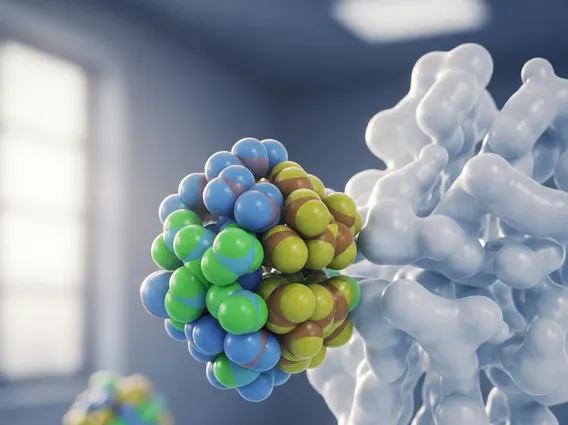
A bispecific antibody is an artificial protein that possesses two antigen-binding sites, each specific for a different epitope. Unlike conventional monoclonal antibodies, which bind to only one specific target, bispecific antibodies are designed to engage two distinct targets simultaneously. This dual-targeting capability allows them to perform complex functions, such as linking different cell types or modulating multiple signaling pathways, making them highly versatile therapeutic agents.
Unique Antibody Structure
The defining feature of what are bispecific antibodies lies in their engineered structure. While traditional antibodies have two identical arms, bispecific antibodies are asymmetric, with each arm designed to recognize a different antigen. This innovative architecture enables them to act as molecular bridges, bringing together two specific entities that would not normally interact. This structural flexibility allows for a wide array of therapeutic strategies, particularly in immunotherapy where precise targeting is crucial.
How Bispecific Antibodies Work
The fundamental principle behind how bispecific antibodies work involves their ability to create a functional link between two different targets. In many therapeutic applications, especially in cancer, this means connecting an immune effector cell (like a T-cell) to a diseased target cell (like a cancer cell). By binding to both simultaneously, the bispecific antibody effectively directs the immune cell to the target, initiating an immune response that leads to the destruction of the undesirable cell.
Bridging Immune and Target Cells
A primary mechanism of action for bispecific antibodies involves their role in bridging immune and target cells. For instance, in oncology, many bispecific antibodies are designed to bind to a T-cell receptor (e.g., CD3) on one arm and a tumor-specific antigen on the other. This direct linkage activates the T-cell and redirects its cytotoxic activity specifically towards the tumor cell, even if the tumor cell has mechanisms to evade conventional immune surveillance. This targeted approach minimizes off-target effects and enhances the efficacy of the immune response.
Types and Therapeutic Applications
The field of bispecific antibodies has seen rapid expansion, leading to the development of various structural formats and diverse therapeutic applications. Understanding the different types of bispecific antibodies is crucial for appreciating their versatility and potential in treating complex diseases.
Common Bispecific Formats
Several structural formats have been developed to optimize the function and pharmacokinetic properties of bispecific antibodies. These formats vary in size, valency (number of binding sites), and the presence or absence of an Fc region, which influences half-life and effector functions. Here are some common examples:
| Format | Description | Key Feature |
|---|---|---|
| BiTE (Bispecific T-cell Engager) | Small, tandem scFv (single-chain variable fragment) construct. | No Fc region; short half-life; highly potent T-cell redirection. |
| DART (Dual Affinity Re-Targeting) | Similar to BiTEs but with a disulfide-stabilized Fv fragment. | Improved stability and flexibility; T-cell redirection. |
| IgG-like Bispecifics | Full-length antibody structure with two different Fab arms. | Retains Fc-mediated effector functions and longer half-life. |
Current and Future Therapies
The impact of bispecific antibody therapy explained can be seen in its growing success, particularly in oncology. Several bispecific antibodies have received regulatory approval for treating hematological malignancies such as multiple myeloma and certain types of lymphoma and leukemia. These therapies offer new hope for patients who have exhausted other treatment options, demonstrating impressive response rates by effectively harnessing the patient’s own immune system.
Beyond cancer, bispecific antibodies are being explored for a wide range of other conditions, including autoimmune diseases, infectious diseases, and neurological disorders. Their ability to simultaneously engage multiple targets opens avenues for more precise and potent therapeutic interventions. As research continues, the development of novel bispecific formats and targets promises to further expand their clinical utility, solidifying their role as a cornerstone of modern medicine. According to a report by the American Cancer Society, advancements in immunotherapy, including bispecific antibodies, are contributing to improved outcomes for many cancer patients, with ongoing research continually expanding their application.