Birth Control Pill
The birth control pill is a widely used and highly effective method of contraception designed to prevent pregnancy. It works by regulating hormones in the body, offering individuals control over their reproductive health.

Key Takeaways
- The birth control pill is a hormonal contraceptive available in combination (estrogen and progestin) and progestin-only forms.
- It primarily works by preventing ovulation, thickening cervical mucus, and thinning the uterine lining to inhibit fertilization and implantation.
- With perfect use, the pill is over 99% effective, though typical use results in about 91% effectiveness.
- Common mild side effects include nausea, breast tenderness, and spotting, which often subside over time.
- Serious, though rare, side effects like blood clots, stroke, or heart attack require immediate medical attention.
What is the Birth Control Pill and Its Types
The birth control pill is a daily oral medication containing hormones that prevent pregnancy. Understanding what is the birth control pill involves recognizing its hormonal composition and how these hormones interact with the body’s reproductive system. The pill is a highly effective form of contraception when used correctly, offering individuals a reliable method for family planning.
There are primarily two main types of birth control pills explained by their hormonal makeup:
Combination Pills
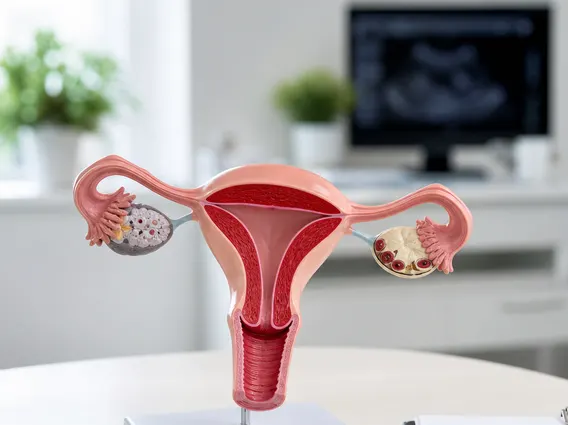
These pills contain both estrogen and progestin, synthetic versions of hormones naturally produced in the body. They are the most common type and work primarily by preventing ovulation, meaning an egg is not released from the ovary. Additionally, they thicken cervical mucus, making it harder for sperm to reach an egg, and thin the uterine lining, making it less receptive to a fertilized egg.
Progestin-Only Pills
Often referred to as the “mini-pill,” these pills contain only progestin. They primarily work by thickening cervical mucus and thinning the uterine lining. Unlike combination pills, progestin-only pills do not consistently prevent ovulation in all users, but they are still highly effective when taken consistently and on time, especially for individuals who cannot take estrogen.
How the Birth Control Pill Works
Understanding how does birth control pill work is crucial for appreciating its effectiveness. The primary mechanism involves hormonal regulation to prevent the key events necessary for conception. For combination pills, the synthetic estrogen and progestin work synergistically to:
- Prevent Ovulation: The hormones suppress the release of eggs from the ovaries each month. Without an egg to fertilize, pregnancy cannot occur.
- Thicken Cervical Mucus: The progestin component makes the mucus at the cervix thicker and stickier, creating a barrier that makes it difficult for sperm to travel into the uterus and reach any potential egg.
- Thin Uterine Lining: The hormones also alter the lining of the uterus (endometrium), making it thinner and less receptive to a fertilized egg, should one somehow manage to be released and fertilized.
Progestin-only pills primarily rely on the latter two mechanisms, with ovulation suppression being less consistent. When taken perfectly, the birth control pill is over 99% effective at preventing pregnancy. However, with typical use, which accounts for missed pills or incorrect usage, its effectiveness is around 91%, according to the Centers for Disease Control and Prevention (CDC).
Common Side Effects of Birth Control Pills
Like all medications, birth control pills can cause side effects. Awareness of birth control pill common side effects helps users understand what to expect and when to seek medical advice. Most side effects are mild and often resolve within the first few months of use as the body adjusts to the hormones.
Mild Side Effects
These are generally temporary and not indicative of a serious problem. They often improve with continued use or by switching to a different formulation of the pill. Common mild side effects include:
- Nausea or stomach upset
- Breast tenderness or swelling
- Spotting or breakthrough bleeding between periods
- Headaches
- Mood changes
- Weight fluctuations (though often temporary and not significant)
Serious Side Effects: When to Seek Help
While rare, some side effects can be serious and require immediate medical attention. These are often associated with the estrogen component of combination pills. It is important to be aware of the warning signs and contact a healthcare provider immediately if you experience any of the following:
- Severe abdominal pain
- Chest pain, shortness of breath, or coughing up blood (signs of a blood clot in the lungs)
- Severe headaches, especially if sudden or accompanied by vision changes (potential signs of stroke)
- Eye problems, such as blurred vision or loss of vision
- Severe leg pain, swelling, or redness in one leg (signs of a deep vein thrombosis or blood clot)
These symptoms, though uncommon, can indicate serious conditions like blood clots, stroke, or heart attack. Regular check-ups with a healthcare provider are recommended to monitor for any potential issues and ensure the chosen birth control method remains appropriate.