Biospecimen
A biospecimen is a sample of material, such as tissue, blood, or urine, taken from a living organism. These samples are crucial tools in scientific and medical research, providing invaluable insights into health and disease.
Key Takeaways
- A biospecimen is any biological material collected from a living being for research purposes.
- They encompass a wide range of types, including blood, tissue, urine, and saliva.
- Proper collection and storage methods are vital to maintain the integrity and utility of biospecimens.
- Biospecimens are fundamental for advancing medical understanding, developing new diagnostics, and discovering treatments.
- Their use underpins precision medicine and personalized healthcare approaches.
What is a Biospecimen?
Understanding what is a biospecimen is fundamental to appreciating its role in modern science. Essentially, a biospecimen is a discrete portion of biological material collected from a living system, often a human, for laboratory analysis, diagnosis, or research. These samples serve as a direct window into an individual’s biological state, offering molecular and cellular information.
Definition and Key Characteristics
The biospecimen definition encompasses any biological material that can be stored and used for diagnostic or research purposes. Key characteristics include its origin from a biological entity, its potential for analysis, and its capacity to provide data relevant to health and disease. The quality and integrity of a biospecimen are paramount, as they directly impact the reliability and validity of any research findings derived from it. Factors such as collection method, processing, and storage conditions significantly influence its utility.
Common Biospecimen Types
The variety of biospecimen definition and types is extensive, reflecting the diverse biological materials that can be collected. Each type offers unique insights into different aspects of an organism’s biology. Common examples include:
- Blood: Often collected as whole blood, plasma, serum, or peripheral blood mononuclear cells (PBMCs), providing information on circulating biomarkers, immune status, and genetic material.
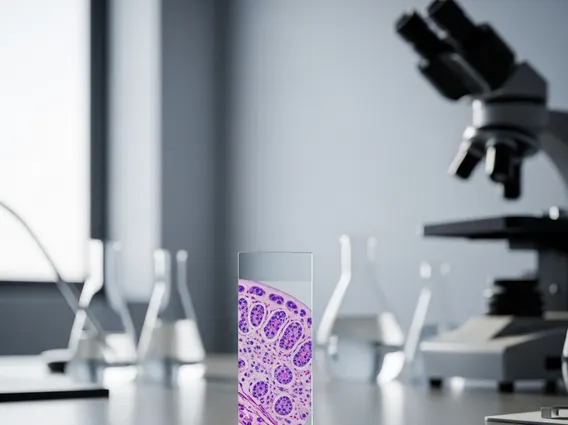
- Tissue: Biopsies or surgical resections provide direct insights into cellular structure, gene expression, and protein profiles within specific organs or tumors.
- Urine: A non-invasive sample source useful for detecting metabolic byproducts, kidney function markers, and certain infectious agents.
- Saliva: Another non-invasive option, valuable for genetic testing, hormone analysis, and detecting oral pathogens.
- Cerebrospinal Fluid (CSF): Collected via lumbar puncture, it offers critical information about neurological conditions and brain health.
- Other Fluids: Includes pleural fluid, synovial fluid, and ascites fluid, each providing specific diagnostic or research value depending on its origin.
Biospecimen Collection Methods
The process of how are biospecimens collected? involves a range of standardized procedures designed to ensure sample quality and patient safety. The specific method depends heavily on the type of biospecimen required and the research objectives. Adherence to strict protocols is essential to minimize contamination, degradation, and variability, which can compromise research outcomes.
Common collection methods include venipuncture for blood samples, surgical biopsies for tissue, and non-invasive collection for urine or saliva. For more specialized samples like CSF, procedures such as lumbar puncture are performed by trained medical professionals. After collection, samples are typically processed immediately—which might involve centrifugation, aliquoting, or fixation—and then stored under controlled conditions, often at ultra-low temperatures in biobanks, to preserve their integrity for future analysis.
The Role of Biospecimens in Research
The importance of biospecimens in research cannot be overstated. They are the cornerstone of biomedical discovery, enabling scientists to investigate the causes of diseases, develop new diagnostic tools, and test the efficacy of novel therapies. Without access to high-quality biospecimens, many advancements in medicine would be impossible.
For instance, biospecimens are critical in cancer research, allowing scientists to study tumor genetics, identify biomarkers for early detection, and predict treatment responses. In infectious disease research, they help track pathogen evolution and develop vaccines. The rise of precision medicine heavily relies on biospecimens, as genetic and molecular profiling of individual samples guides personalized treatment strategies. According to a report by the National Cancer Institute, biobanks, which store vast collections of biospecimens, are instrumental in facilitating collaborative research efforts globally, leading to a deeper understanding of complex human diseases.