Biologic Agent
Biologic agents represent a revolutionary class of medications derived from living organisms, offering highly targeted treatments for various complex diseases. Unlike traditional small-molecule drugs, these advanced therapies are engineered to interact with specific components of the immune system or other biological pathways.

Key Takeaways
- Biologic agents are complex medicines derived from living sources, targeting specific biological pathways.
- They work by precisely interacting with cells, proteins, or genes to modulate disease processes.
- Common types include monoclonal antibodies, fusion proteins, and certain vaccines.
- Biologics are widely used for autoimmune diseases, cancers, and inflammatory conditions.
- While effective, they carry potential side effects like increased infection risk and require careful medical supervision.
Defining Biologic Agents
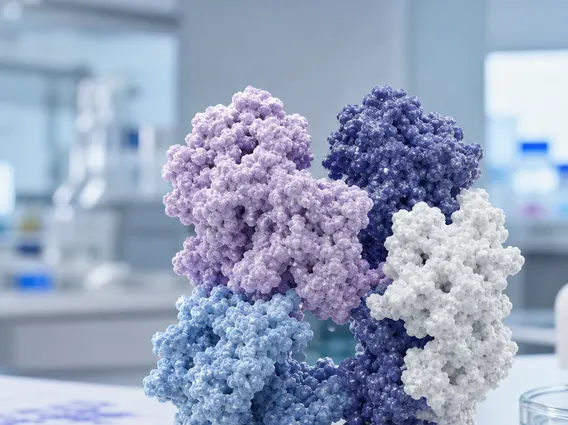
To understand what is Biologic Agent, it’s essential to recognize their unique origin and mechanism. A biologic agent is a medical product, such as a vaccine, blood component, allergen, somatic cell, gene therapy, tissue, or recombinant therapeutic protein, derived from living organisms. Unlike chemically synthesized small-molecule drugs, biologics are large, complex molecules that are often produced using biotechnology in living systems like microorganisms, plant, or animal cells. This complexity allows them to target specific molecular pathways involved in disease progression with high precision, leading to more focused therapeutic effects.
How Biologic Agents Work and Their Types
Understanding how do biologic agents work involves recognizing their highly specific interaction with biological targets. These agents are designed to bind to specific molecules, such as proteins on cell surfaces or circulating in the blood, thereby blocking disease-causing pathways, enhancing beneficial immune responses, or replacing deficient proteins. This targeted approach minimizes off-target effects often associated with traditional drugs. The types of biologic agents explained encompass several categories, each with distinct mechanisms:
- Monoclonal Antibodies (mAbs): Engineered antibodies that bind to specific targets, like receptors on cancer cells or inflammatory cytokines, to block or activate cellular processes.
- Fusion Proteins: Combinations of protein segments from different sources, designed to block specific signaling pathways or act as decoy receptors.
- Vaccines: Biologics that stimulate the immune system to protect against infectious diseases by introducing weakened or inactive forms of pathogens.
- Gene Therapies: Introduce, remove, or change genetic material within a patient’s cells to treat or prevent disease.
- Cell Therapies: Involve the transfer of cells into a patient to restore or alter certain functions, often used in oncology or regenerative medicine.
This diverse range allows for tailored treatments across a broad spectrum of medical conditions.
Therapeutic Uses and Side Effects
The application of biologic agent uses and side effects is broad, significantly impacting the treatment landscape for many chronic and life-threatening conditions. Biologics are frequently prescribed for autoimmune diseases like rheumatoid arthritis, psoriasis, and Crohn’s disease, where they modulate an overactive immune system. In oncology, they are crucial for targeted cancer therapies, blocking growth signals or enhancing the body’s anti-tumor response. They also play a role in treating inflammatory conditions, certain genetic disorders, and preventing infectious diseases through vaccination.
While highly effective, biologic agents are associated with potential side effects. Due to their impact on the immune system, a common concern is an increased risk of infections, including serious ones. Other possible side effects include infusion-related reactions (e.g., fever, chills, rash), allergic reactions, and the development of antibodies against the biologic itself, which can reduce its effectiveness. Less common but serious side effects can involve specific organ toxicities or an increased risk of certain malignancies, depending on the agent and its mechanism. Patients undergoing biologic therapy require close monitoring by healthcare professionals to manage these risks effectively, in compliance with regulatory bodies like the FDA.