Biliary Cirrhosis
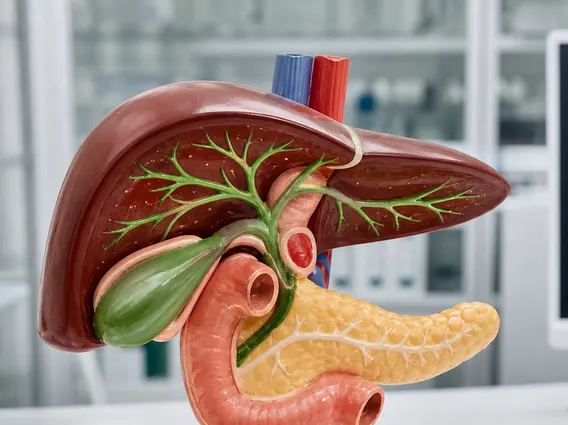
Biliary cirrhosis is a chronic liver disease characterized by the progressive destruction of the small bile ducts within the liver. This condition leads to the accumulation of bile and toxins, causing inflammation and scarring that can severely impair liver function over time.
Key Takeaways
- Biliary cirrhosis is a chronic liver disease involving the progressive destruction of bile ducts.
- It primarily affects the liver by causing inflammation, scarring (fibrosis), and eventually cirrhosis, impairing its ability to process toxins and aid digestion.
- Common symptoms include fatigue, itching, and jaundice, often stemming from an autoimmune response.
- Treatment for primary biliary cirrhosis focuses on slowing disease progression and managing symptoms, with ursodeoxycholic acid as a primary medication.
- Early diagnosis and consistent management are crucial to prevent severe liver damage and the potential need for a liver transplant.
What is Biliary Cirrhosis and Liver Impact
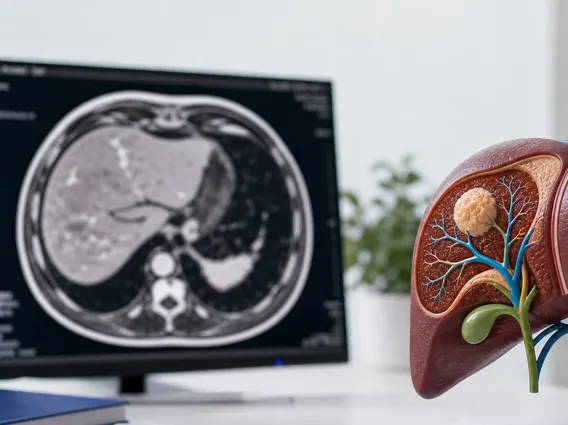
What is Biliary Cirrhosis? It is a chronic, progressive liver disease characterized by the slow destruction of small bile ducts within the liver. This impairs bile flow, leading to the accumulation of bile acids and other toxic substances. This accumulation causes inflammation and scarring, known as fibrosis.
To understand how biliary cirrhosis affects liver, it’s crucial to know that as fibrosis progresses, it replaces healthy liver tissue. This extensive scarring eventually leads to cirrhosis, a severe form of liver damage where the liver hardens and fails to perform essential functions like filtering toxins and aiding digestion. While often called “biliary cirrhosis,” the condition is now more precisely termed Primary Biliary Cholangitis (PBC) before it reaches the cirrhotic stage, as cirrhosis is a late-stage complication. According to the National Institute of Diabetes and Digestive and Kidney Diseases (NIDDK), PBC affects approximately 1 in 1,000 women over 40 in the United States.
Symptoms and Causes of Biliary Cirrhosis
Understanding biliary cirrhosis symptoms causes is vital for early detection. Many individuals, especially in early stages, experience no symptoms, with discovery often incidental during routine blood tests. When symptoms appear, they are usually subtle and progress gradually.
Common symptoms include:
- Fatigue: Often debilitating and one of the earliest symptoms.
- Pruritus (Itching): Persistent, widespread, and severe itching from bile salt accumulation.
- Jaundice: Yellowing of skin and eyes, indicating significant bilirubin buildup.
- Dry eyes and mouth: Associated with co-occurring autoimmune conditions.
- Bone pain or osteoporosis: Due to impaired vitamin D absorption.
- Xanthomas/Xanthelasmas: Fatty deposits on skin, especially around eyes, from high cholesterol.
The primary cause of biliary cirrhosis (PBC) is an autoimmune disorder, where the immune system mistakenly attacks and destroys small bile ducts. While the exact trigger is unknown, genetic predisposition combined with environmental factors (like infections or toxins) is thought to play a role. It is more common in women, typically aged 30 to 60.
Treatment Options for Primary Biliary Cirrhosis
The goal of primary biliary cirrhosis treatment is to slow disease progression, manage symptoms, and prevent complications. There is no cure for PBC, but effective treatments can significantly improve quality of life and prolong liver function.
The cornerstone of treatment is medication:
- Ursodeoxycholic Acid (UDCA): First-line therapy, UDCA improves bile flow, reduces toxic bile acids, and protects liver cells. It’s most effective when started early to slow progression to cirrhosis.
- Obeticholic Acid (OCA): Prescribed for patients not responding to UDCA or who cannot tolerate it. OCA regulates bile acid production and flow.
Symptomatic treatment is also crucial:
- For itching: Medications like cholestyramine, rifampicin, naltrexone, or sertraline can help.
- For fatigue: Managed with lifestyle adjustments and sometimes specific medications.
- For bone health: Calcium and vitamin D supplements are often recommended to prevent osteoporosis.
In advanced stages with severe liver damage and failure, a liver transplant may be the only option. Transplantation offers a good prognosis for individuals with end-stage PBC.