
Biliary
The biliary system is a vital part of the digestive process, responsible for producing and transporting bile. Understanding its intricate structure and essential role is crucial for comprehending various related health conditions that can impact overall well-being.
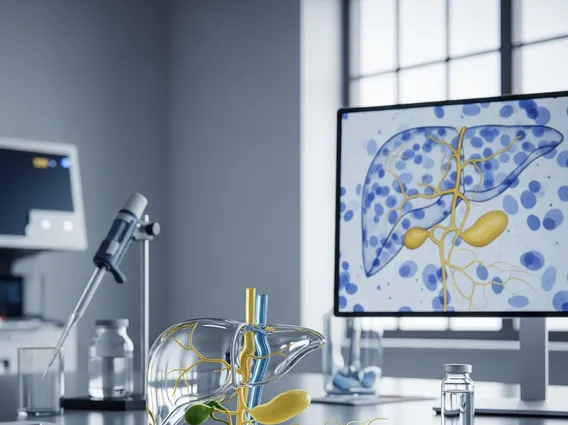
Key Takeaways
- The biliary system comprises the liver, gallbladder, and bile ducts, working together to produce, store, and transport bile.
- Its primary biliary tract function is to aid in fat digestion and eliminate waste products from the body.
- Common conditions include gallstones, inflammation (cholecystitis, cholangitis), and strictures.
- Biliary diseases symptoms often involve pain, jaundice, dark urine, and light stools.
- Causes of biliary obstruction can arise from gallstones, tumors, or inflammation, frequently requiring medical intervention.
What is Biliary: System and Function
To understand what is Biliary, one must first grasp the anatomy and physiology of its components. The biliary system is a complex network of organs and ducts that produce, store, and transport bile from the liver to the small intestine. It includes the liver, which produces bile; the gallbladder, a small organ tucked beneath the liver that stores and concentrates bile; and the bile ducts, a series of tubes that carry bile throughout the system. This intricate arrangement ensures the efficient flow of bile, which is critical for digestive health.
The bile ducts are categorized into intrahepatic ducts, located within the liver, and extrahepatic ducts, which are outside the liver. These ducts merge to form the common hepatic duct, which then joins with the cystic duct from the gallbladder to create the common bile duct. This duct ultimately empties into the duodenum, the first part of the small intestine, regulated by the sphincter of Oddi. The primary biliary tract function is multifaceted: bile, a digestive fluid, emulsifies fats in the small intestine, aiding in their digestion and absorption of fat-soluble vitamins. Additionally, bile serves as a crucial pathway for the excretion of waste products, such as bilirubin (a byproduct of red blood cell breakdown) and excess cholesterol, from the body, thereby playing a significant role in detoxification.
Biliary Conditions: Symptoms and Causes
When the biliary system malfunctions, it can lead to a range of conditions, often presenting with distinct biliary diseases symptoms. One of the most common issues is cholelithiasis, or gallstones, which are hardened deposits that can form in the gallbladder. According to the National Institute of Diabetes and Digestive and Kidney Diseases (NIDDK), an estimated 10-15% of adults in the United States have gallstones, though most remain asymptomatic. However, when gallstones block a bile duct, they can cause sudden and intense pain in the upper right abdomen, often radiating to the back or right shoulder, known as biliary colic. This pain can be severe and debilitating, requiring immediate medical attention.
Other significant symptoms can include jaundice (yellowing of the skin and eyes) due to bilirubin buildup, dark urine, and pale or clay-colored stools, indicating a lack of bile reaching the intestine. Nausea, vomiting, and fever with chills may also signal inflammation or infection, such as cholecystitis (inflammation of the gallbladder) or cholangitis (inflammation of the bile ducts). These infections can be serious and potentially life-threatening if left untreated. The causes of biliary obstruction are varied, with gallstones being the most frequent culprit. Other causes include tumors in the pancreas or bile ducts, strictures (narrowing of the ducts) resulting from inflammation or surgical complications, and, less commonly, parasitic infections. Prompt diagnosis and treatment are essential for managing these conditions and preventing serious complications like sepsis or liver damage.



















