Autophagy
Autophagy is a fundamental cellular process crucial for maintaining cellular health and function. It involves the body’s natural mechanism of self-cleaning, where cells degrade and recycle their damaged or unnecessary components.
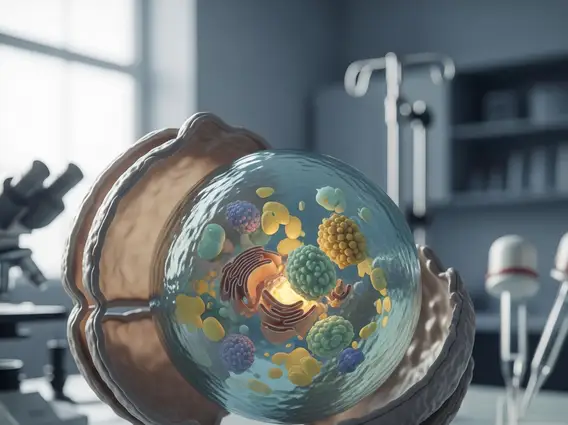
Key Takeaways
- Autophagy is a cellular recycling process that removes damaged cell parts and pathogens.
- It involves the formation of a double-membraned vesicle, the autophagosome, which engulfs cellular debris.
- The autophagosome then fuses with a lysosome, where its contents are broken down and recycled.
- This process plays a vital role in preventing diseases, including neurodegenerative conditions and certain cancers.
- Activating autophagy is linked to anti-aging effects and promoting overall cellular longevity.
What is Autophagy?
At its core, what is Autophagy is the body’s sophisticated system for cellular renewal and waste management. The term “autophagy” originates from Greek words meaning “self-eating,” accurately describing how cells consume their own components. This isn’t a destructive process, but rather a highly regulated and essential mechanism for cellular maintenance and adaptation to stress.
The Body’s Cellular Recycling System
Think of autophagy as the cell’s internal recycling plant. It identifies and isolates dysfunctional organelles, misfolded proteins, and intracellular pathogens, preventing their accumulation which could otherwise lead to cellular damage and disease. By breaking down these components into their basic building blocks, the cell can then reuse them to create new, healthy parts, ensuring optimal function and survival. This continuous cleanup is vital for cellular homeostasis and resilience.
How Autophagy Works: The Process Explained
The intricate mechanism of how autophagy works in the body involves a series of coordinated steps. It is a highly regulated pathway that responds to various cellular signals, such as nutrient deprivation, oxidative stress, and the presence of damaged cellular structures. This process ensures that only specific, targeted components are removed, while healthy parts remain intact.
Key Stages of Cellular Self-Digestion
The process of autophagy can be broadly divided into several distinct stages:
- Initiation: Autophagy is triggered by cellular stress signals, leading to the formation of a specialized membrane structure called the phagophore.
- Elongation and Autophagosome Formation: The phagophore expands and engulfs the targeted cellular material, such as damaged mitochondria or misfolded proteins. This forms a double-membraned vesicle known as an autophagosome.
- Fusion with Lysosome: The mature autophagosome then travels through the cytoplasm and fuses with a lysosome, which is an organelle rich in digestive enzymes.
- Degradation: Inside the autolysosome (the fused structure), the powerful lysosomal enzymes break down the engulfed cellular debris into basic molecules like amino acids, fatty acids, and nucleotides.
- Recycling: These recycled molecules are then released back into the cytoplasm, where they can be used by the cell to synthesize new proteins, lipids, and other essential components, thus contributing to cellular rejuvenation.
Autophagy’s Health Benefits and Effects
The profound impact of this cellular recycling system extends to numerous aspects of human health. The autophagy benefits explained by scientific research highlight its critical role in maintaining well-being and combating various health challenges. Understanding these benefits underscores why promoting healthy autophagy is increasingly a focus in health and longevity research.
Impact on Disease Prevention
One of the most significant autophagy health effects is its contribution to disease prevention. By clearing out damaged cells and toxic aggregates, autophagy helps protect against a range of conditions:
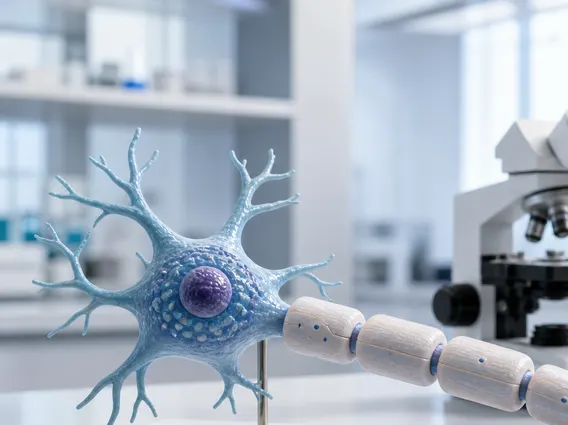
- Neurodegenerative Diseases: Autophagy is crucial for clearing protein aggregates associated with conditions like Alzheimer’s, Parkinson’s, and Huntington’s disease. Impaired autophagy can lead to the accumulation of these toxic proteins, contributing to neuronal damage.
- Infections: It plays a key role in the immune response by eliminating intracellular bacteria and viruses, a process known as xenophagy.
- Cancer: While complex, autophagy can act as a tumor suppressor by removing damaged organelles and preventing genomic instability, which can drive cancer development. In established cancers, its role can be dual, sometimes promoting tumor survival, making it a target for therapeutic modulation.
- Metabolic Disorders: Autophagy is involved in regulating metabolism, impacting conditions like type 2 diabetes and obesity by improving insulin sensitivity and lipid metabolism.
Role in Anti-Aging and Longevity
Research consistently points to autophagy as a key player in anti-aging processes and promoting longevity. By continuously renewing cellular components and removing senescent (aging) cells, autophagy helps to maintain cellular vitality and function over time. Studies in various organisms, from yeast to mammals, have shown that enhancing autophagic activity can extend lifespan and improve healthspan, reducing the incidence of age-related diseases. This cellular rejuvenation mechanism is fundamental to the body’s ability to resist the cumulative damage associated with aging, contributing to a longer, healthier life.