Atypical Lobular Hyperplasia
Atypical lobular hyperplasia (ALH) is a non-cancerous breast condition characterized by abnormal cell growth within the breast lobules. While not cancer itself, ALH is recognized as a significant marker for an increased risk of developing invasive breast cancer in the future.
Key Takeaways
- Atypical lobular hyperplasia is a benign breast condition involving abnormal cell growth in the lobules.
- It is not breast cancer but significantly increases the lifetime risk of developing invasive breast cancer.
- ALH is typically an incidental finding during a breast biopsy performed for other reasons.
- Management often involves enhanced surveillance, including regular mammograms and potentially MRI.
- Risk-reducing medications or surgical excision may be considered for some individuals based on their overall risk profile.
What is Atypical Lobular Hyperplasia?
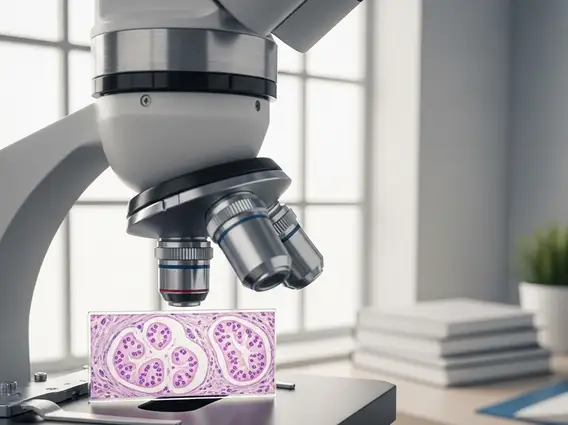
To understand what is atypical lobular hyperplasia, it’s crucial to know it’s a microscopic finding where cells lining the breast lobules grow in an abnormal pattern and have some features of cancer cells, but they do not invade surrounding tissue. It is considered a “high-risk lesion” because its presence indicates a higher likelihood of future breast cancer development, rather than being a precursor that will definitely turn into cancer. Unlike many breast conditions, ALH typically does not present with palpable lumps or distinct atypical lobular hyperplasia symptoms, making it an incidental discovery.
Causes, Diagnosis, and Treatment of ALH
While the exact causes of ALH are not fully understood, it is believed to arise from a combination of genetic predispositions and hormonal influences. Its diagnosis and subsequent management are critical steps in mitigating future breast cancer risk.
Understanding ALH Risk Factors
The primary risk factor for developing invasive breast cancer, once ALH is identified, is the presence of ALH itself. Studies indicate that women diagnosed with ALH have an approximately 4-5 times higher lifetime risk of developing invasive breast cancer compared to women without ALH. Other contributing factors may include a strong family history of breast cancer, particularly in first-degree relatives, and certain genetic mutations, though ALH is not directly inherited in most cases.
Diagnosing Atypical Lobular Hyperplasia
The atypical lobular hyperplasia diagnosis treatment pathway begins with its discovery. ALH is almost always diagnosed incidentally when a breast biopsy is performed for another reason, such as investigating suspicious calcifications or a mass found on a mammogram or ultrasound. A pathologist examines the tissue sample under a microscope to identify the characteristic abnormal cell growth within the lobules. This microscopic examination is the definitive method for diagnosing ALH.
Management and Treatment Options
Management of ALH focuses on risk reduction and early detection of any potential future cancers. Treatment options vary based on individual risk assessment and patient preferences. These may include:
- Enhanced Surveillance: Regular clinical breast exams, annual mammograms, and often annual breast MRI screenings are recommended to monitor for any new changes.
- Risk-Reducing Medications: For some women, medications like tamoxifen or raloxifene may be prescribed to reduce the risk of developing breast cancer. These medications work by blocking estrogen’s effects on breast tissue.
- Surgical Excision: In certain situations, particularly if the biopsy findings are ambiguous or if ALH is found alongside other high-risk lesions, surgical removal of the area may be considered to ensure no cancer is present.
Prognosis and Follow-Up for Atypical Lobular Hyperplasia
Understanding the long-term outlook and adhering to recommended follow-up protocols are essential for individuals diagnosed with ALH, as it guides proactive health management.
Long-Term Outlook for ALH Patients
The atypical lobular hyperplasia prognosis indicates an elevated, but not absolute, risk of developing breast cancer. It’s important to remember that many women with ALH never develop breast cancer. The increased risk is persistent over a lifetime, affecting both breasts equally. Regular monitoring and adherence to a personalized risk management plan significantly improve the chances of early detection should cancer develop.
Recommended Monitoring and Screening
Following an ALH diagnosis, a tailored follow-up plan is crucial. This typically involves a combination of:
- Clinical Breast Exams: Regular examinations by a healthcare provider.
- Mammography: Annual screening mammograms are standard.
- Breast MRI: Annual magnetic resonance imaging (MRI) is often recommended, especially for women with additional risk factors, as it can detect cancers missed by mammography in dense breasts.
- Lifestyle Modifications: Maintaining a healthy weight, limiting alcohol intake, and regular physical activity are generally advised to reduce overall cancer risk.
These measures aim to detect any potential breast cancers at their earliest, most treatable stages, providing the best possible outcomes for individuals with ALH.