Antibody Therapy
Antibody therapy represents a significant advancement in modern medicine, leveraging the body’s natural defense mechanisms to combat a wide range of diseases. This innovative approach utilizes specialized proteins to target specific disease-causing agents or cells, offering precise and often highly effective treatment options.
Key Takeaways
- Antibody therapy uses engineered proteins that mimic the body’s natural antibodies to fight disease.
- It works by specifically binding to targets like cancer cells, pathogens, or inflammatory molecules.
- This therapy is employed in treating various conditions, including cancer, autoimmune disorders, and infectious diseases.
- Key types include monoclonal antibodies, which are highly specific and widely used in clinical settings.
What is Antibody Therapy?
What is Antibody Therapy? It is a medical treatment that involves using antibodies to help the immune system fight diseases. These antibodies are proteins that are either naturally produced by the body or engineered in a laboratory. They are designed to recognize and bind to specific targets, known as antigens, which are typically found on the surface of harmful cells or pathogens. This targeted approach allows antibody therapy to precisely intervene in disease processes, minimizing damage to healthy tissues.
How Antibody Therapy Works
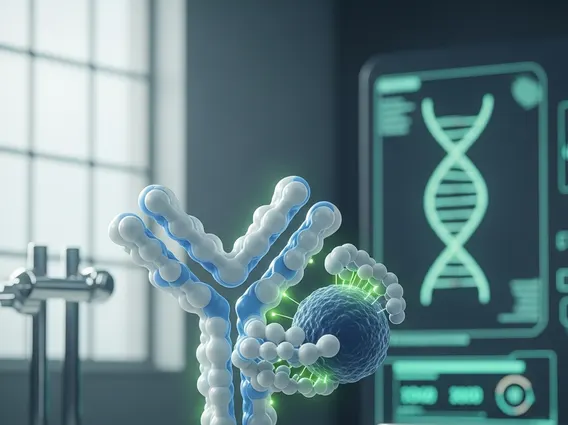
Understanding how does antibody therapy work involves grasping the concept of highly specific targeting. Antibodies function like guided missiles, seeking out and attaching to particular antigens. Once an antibody binds to its target, it can initiate several therapeutic actions. For instance, it might directly neutralize a virus or bacterial toxin, preventing it from causing harm. Alternatively, antibodies can block crucial signaling pathways that promote cancer cell growth or inflammation in autoimmune diseases. In other cases, they can mark diseased cells for destruction by other components of the immune system, effectively flagging them for removal. This precise mechanism is what makes antibody therapy a powerful tool in modern medicine.
Types and Applications of Antibody Therapy
Antibody therapy encompasses a diverse range of treatments, each tailored to specific medical needs. The development of these therapies has revolutionized the treatment landscape for many complex conditions, offering new hope where traditional treatments may have fallen short.
Key Types of Antibody Therapy
When considering types of antibody therapy explained, monoclonal antibodies (mAbs) are the most prevalent and well-understood. Monoclonal antibodies are identical copies of a single antibody, meaning they all target the exact same antigen. They are produced in laboratories and are highly specific, making them incredibly effective for precise targeting. Polyclonal antibodies, on the other hand, are a mixture of different antibodies that recognize various antigens on the same pathogen or cell. While less common in targeted therapies, they are sometimes used in situations requiring a broader immune response, such as antivenom treatments.
Common Clinical Applications
The uses of antibody therapy are extensive and continue to expand. One of the most significant applications is in cancer treatment, where antibodies can target specific proteins on cancer cells, block their growth signals, or deliver toxic drugs directly to tumors. For example, some antibodies are designed to block immune checkpoints, thereby unleashing the body’s own immune cells to attack cancer. In autoimmune diseases like rheumatoid arthritis or Crohn’s disease, antibodies can neutralize inflammatory molecules or block immune cells responsible for tissue damage. Furthermore, antibody therapy plays a crucial role in treating infectious diseases, including viral infections like RSV and potentially COVID-19, by directly neutralizing pathogens or preventing their entry into host cells. According to the World Health Organization (WHO), antibody-based therapeutics are increasingly vital in addressing global health challenges, including infectious diseases and non-communicable diseases, highlighting their growing importance in public health.