Diagnosis, Screening, and Early Detection of Sarcoma
Sarcoma is a rare and complex group of cancers that originate in the body’s connective tissues, such as bone, muscle, fat, blood vessels, or cartilage. Understanding the process of sarcoma diagnosis, screening, and the critical role of early detection is paramount for effective treatment and improved patient outcomes.

Key Takeaways
- Sarcoma symptoms can be subtle, often presenting as a growing lump or persistent pain, necessitating prompt medical evaluation.
- Accurate sarcoma diagnosis methods involve a combination of imaging, physical exams, and definitive biopsy with pathological analysis.
- Routine sarcoma screening guidelines are not universally established due to its rarity, but individuals with specific genetic syndromes or prior radiation exposure are at higher risk.
- The importance of early sarcoma detection significantly enhances the chances of successful treatment and improves long-term survival rates.
Recognizing Sarcoma Symptoms
Identifying the signs and symptoms of sarcoma can be challenging due to their varied presentation, depending on the tumor’s location and type. Sarcomas can develop anywhere in the body, making their initial signs often non-specific and easily mistaken for more common, benign conditions. However, vigilance for persistent or worsening symptoms is crucial.
Common Warning Signs
The most common initial symptom of a soft tissue sarcoma is a painless lump or swelling. This lump may grow over time and, if it presses on nerves or muscles, can eventually cause pain or discomfort. For bone sarcomas, persistent or worsening bone pain, especially at night or with activity, is a key indicator. Other potential signs include:
- A new lump or a lump that is increasing in size, particularly if it is deep-seated or larger than 5 cm.
- Pain or tenderness in the affected area, which may become more severe as the tumor grows.
- Swelling or limited movement in a limb or joint.
- Unexplained bone fractures, especially if accompanied by pain.
- Abdominal pain, nausea, or changes in bowel habits if the sarcoma is in the abdomen.
According to the American Cancer Society, sarcomas account for less than 1% of all adult cancers, making awareness of these subtle signs even more vital for timely intervention.
When to Consult a Doctor
It is important to consult a doctor if you experience any persistent or concerning symptoms, especially a new or growing lump, unexplained pain, or swelling that does not resolve. While many lumps and pains are benign, a medical evaluation is essential to rule out serious conditions like sarcoma. Early consultation allows for prompt investigation, which can significantly impact the diagnostic timeline and subsequent treatment options. Do not delay seeking professional medical advice if you notice any of the aforementioned warning signs, particularly if they are worsening or accompanied by other systemic symptoms like unexplained weight loss or fatigue.
How Sarcoma is Diagnosed
The process of sarcoma diagnosis is comprehensive, involving several steps to accurately identify the presence, type, and stage of the cancer. Understanding how is sarcoma diagnosed involves a combination of clinical assessment, advanced imaging, and definitive tissue analysis. These sarcoma diagnosis methods are critical for guiding treatment decisions.
Imaging and Physical Exams
Initial evaluation typically begins with a thorough physical examination where the doctor assesses the lump or painful area, checking its size, tenderness, and mobility. Following this, various imaging techniques are employed to visualize the suspected tumor and assess its characteristics. Common imaging modalities include:
- X-rays: Often the first step for bone pain or suspected bone tumors.
- Ultrasound: Useful for distinguishing between solid and fluid-filled masses in soft tissues.
- Magnetic Resonance Imaging (MRI): Provides detailed images of soft tissues, crucial for defining tumor size, depth, and relationship to surrounding structures.
- Computed Tomography (CT) Scans: Used to assess the extent of the tumor, especially in the chest or abdomen, and to check for metastasis.
- Positron Emission Tomography (PET) Scans: Can help identify metabolically active areas, useful for staging and detecting distant spread.
These imaging studies help oncologists determine the best approach for further investigation and potential biopsy.
Biopsy and Pathology
The definitive step in diagnosing sarcoma is a biopsy, where a small sample of the suspicious tissue is removed and examined by a pathologist. This is the only way to confirm the presence of cancer and determine its specific type. There are several types of biopsies:
- Needle Biopsy: A thin needle (fine needle aspiration) or a larger needle (core needle biopsy) is used to extract tissue samples. This is often guided by imaging (ultrasound or CT).
- Incisional Biopsy: A small cut is made to remove a piece of the tumor.
- Excisional Biopsy: The entire tumor is removed, often for smaller, superficial lesions.
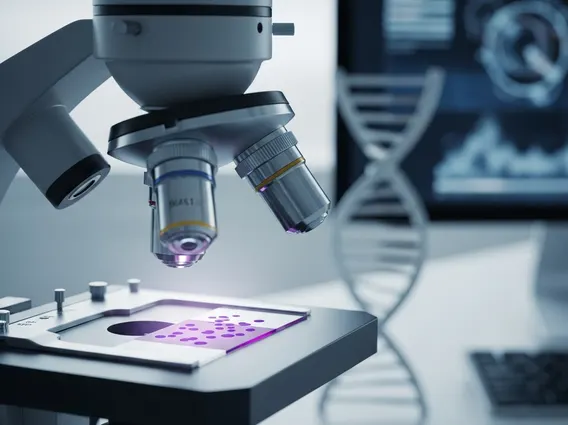
Pathologists then analyze the tissue under a microscope, performing specialized tests like immunohistochemistry and molecular analysis to classify the sarcoma subtype. This detailed pathological report is essential for accurate diagnosis and for tailoring the most effective treatment plan, as different sarcoma subtypes respond differently to therapies.
Sarcoma Screening and Risk Factors
Given the rarity of sarcoma, universal sarcoma screening guidelines for the general population are not currently recommended. Instead, screening efforts are typically focused on individuals with specific risk factors that significantly increase their likelihood of developing the disease. Understanding what is sarcoma screening in this context means targeted surveillance for at-risk groups.
Who Should Be Screened?
While most sarcomas occur sporadically, certain genetic syndromes and environmental exposures are known to elevate risk. Individuals who may benefit from specialized screening or heightened surveillance include those with:
- Genetic Syndromes: Conditions such as Li-Fraumeni syndrome, Neurofibromatosis type 1 (NF1), Retinoblastoma, Werner syndrome, and Gardner syndrome are associated with an increased risk of various sarcomas.
- Previous Radiation Therapy: Exposure to high-dose radiation for other cancers can increase the risk of developing a secondary sarcoma years later in the irradiated field.
- Family History: A strong family history of sarcoma, even without a known genetic syndrome, may warrant closer monitoring.
- Lymphedema: Chronic lymphedema, particularly after breast cancer treatment, can increase the risk of angiosarcoma.
For these high-risk individuals, regular clinical examinations and, in some cases, periodic imaging may be recommended to facilitate early detection.
Current Screening Approaches
For the general population, there are no routine screening tests for sarcoma, unlike common cancers such as breast or colorectal cancer. The primary approach for early detection remains awareness of symptoms and prompt medical evaluation. For individuals identified as high-risk, screening may involve:
- Regular Clinical Examinations: Frequent physical check-ups to monitor for new lumps or changes in existing ones.
- Periodic Imaging: Depending on the specific risk factor, this might include regular MRI or ultrasound scans of at-risk areas. For instance, individuals with NF1 might undergo surveillance for neurofibromas that could transform into malignant peripheral nerve sheath tumors.
The focus is on individualized risk assessment and tailored surveillance strategies, rather than broad population-based screening. The National Cancer Institute emphasizes that early recognition of symptoms by both patients and healthcare providers remains the most effective strategy for timely diagnosis.
The Importance of Early Detection
The importance of early sarcoma detection cannot be overstated. Sarcomas, by their nature, can be aggressive and have a propensity to metastasize if not treated promptly. Catching these cancers in their initial stages significantly alters the disease trajectory, offering more treatment options and substantially improving prognosis. This is where the concept of early detection of sarcoma truly becomes a cornerstone of effective oncology.
Impact on Treatment Success
When sarcoma is detected early, before it has grown large or spread to distant sites, treatment is generally more straightforward and effective. Localized sarcomas can often be completely removed with surgery, which is the primary treatment modality. Early diagnosis allows for less extensive surgical procedures, potentially preserving limbs or organs that might otherwise require amputation or removal if the tumor were larger. Furthermore, when detected early, the need for intensive adjuvant therapies like radiation or chemotherapy might be reduced, or these treatments may be more effective in eradicating any microscopic residual disease. Data from various cancer registries consistently show that cancers diagnosed at a localized stage have significantly higher survival rates compared to those diagnosed after regional or distant spread.
Improving Patient Outcomes
Beyond the immediate success of treatment, early detection of sarcoma plays a pivotal role in improving long-term patient outcomes and quality of life. Patients diagnosed with localized sarcoma have a much better chance of long-term survival and a lower risk of recurrence. For instance, the 5-year survival rate for localized soft tissue sarcoma is approximately 81%, whereas it drops significantly to 16% if the cancer has spread to distant parts of the body, according to the American Cancer Society. Early intervention also means less time enduring advanced symptoms, reduced need for aggressive and debilitating treatments, and a quicker return to normal activities. This translates to better physical function, reduced psychological burden, and an overall enhanced quality of life for survivors.
Frequently Asked Questions
What are the first signs of sarcoma?
The initial signs of sarcoma often include a new, painless lump or swelling that may gradually increase in size. For bone sarcomas, persistent or worsening bone pain, especially at night, is a common early symptom. Other signs can involve swelling, tenderness, or limited movement in the affected area. Due to the varied nature of sarcomas, these symptoms can be subtle and easily mistaken for benign conditions, underscoring the importance of prompt medical evaluation for any persistent or concerning changes.
Can sarcoma be cured if caught early?
Yes, sarcoma can often be cured if caught early, especially when the tumor is localized and has not spread. Early detection allows for complete surgical removal, which is the cornerstone of treatment for many sarcomas. When the cancer is confined to its original site, the chances of successful treatment and long-term survival are significantly higher. Adjuvant therapies like radiation or chemotherapy may also be used to further reduce the risk of recurrence, contributing to a better overall prognosis.
Is there a blood test for sarcoma?
Currently, there is no single, definitive blood test that can reliably diagnose sarcoma. While certain blood tests may be used to monitor general health, assess organ function, or detect markers that can be elevated in some cancers, they are not specific enough for sarcoma diagnosis. Diagnosis primarily relies on a combination of physical examination, advanced imaging techniques (like MRI or CT scans), and a definitive biopsy with pathological analysis of the tissue. Research is ongoing to identify potential biomarkers, but they are not yet part of routine diagnostic protocols.