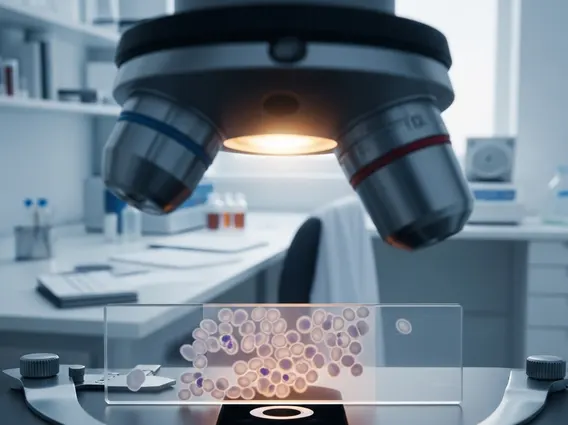
Latest Research and Clinical Trials on Retinoblastoma
Retinoblastoma, a rare and aggressive eye cancer primarily affecting young children, continues to be a significant focus in pediatric oncology. This article provides an informational guide retinoblastoma research, exploring the most recent scientific discoveries and therapeutic advancements aimed at improving patient outcomes.

Key Takeaways
- Retinoblastoma latest research updates highlight significant progress in understanding the genetic basis of the disease, leading to improved early detection methods.
- Current clinical trials for retinoblastoma are exploring novel drug therapies, gene therapies, and immunotherapeutic approaches to enhance treatment efficacy.
- Advances in retinoblastoma therapy are moving towards more targeted and personalized treatment strategies, minimizing side effects and preserving vision.
- Future directions in retinoblastoma research emphasize precision medicine, integrating AI for better diagnostics, and focusing on long-term quality of life for survivors.
Latest Retinoblastoma Research Updates
The landscape of retinoblastoma research is constantly evolving, bringing forth new insights into this challenging pediatric cancer. Recent scientific endeavors have significantly deepened our understanding of the disease’s origins and progression, paving the way for more effective interventions. These retinoblastoma latest research updates are crucial for both clinicians and affected families.
Genetic Discoveries and Early Detection
A cornerstone of retinoblastoma research breakthroughs lies in genetic discoveries, particularly concerning the RB1 gene. Mutations in this tumor suppressor gene are responsible for the vast majority of retinoblastoma cases, both hereditary and sporadic. Understanding these genetic alterations allows for precise diagnostic testing, often enabling earlier detection in at-risk infants, especially those with a family history. Genetic screening can identify carriers of the RB1 mutation, facilitating proactive monitoring and timely intervention before the disease advances significantly. This early identification is paramount for vision preservation and overall survival, which, according to the American Cancer Society, can exceed 95% in developed countries when detected early.
Understanding Tumor Biology
Beyond the primary RB1 mutation, retinoblastoma research is delving into the complex molecular pathways that drive tumor growth and resistance to therapy. Studies are identifying secondary genetic changes and epigenetic modifications that contribute to the aggressiveness of retinoblastoma cells. Researchers are exploring how these cells interact with their microenvironment, including the role of angiogenesis (new blood vessel formation) and immune evasion. A deeper understanding of these biological mechanisms is critical for identifying new therapeutic targets and developing strategies to overcome drug resistance, thereby improving the efficacy of new treatments retinoblastoma.
Current Clinical Trials for Retinoblastoma
The promise of improved outcomes for children with retinoblastoma often lies within the realm of current studies on retinoblastoma. These trials are rigorously testing innovative approaches, building upon the foundational knowledge gained from basic research. Participation in clinical trials for retinoblastoma offers patients access to cutting-edge therapies that are not yet widely available, pushing the boundaries of what is possible in treatment.
Novel Drug Therapies in Trials
A significant portion of clinical trials for retinoblastoma is dedicated to evaluating novel drug therapies. These include new chemotherapy agents designed to be more potent against retinoblastoma cells while minimizing systemic toxicity. Researchers are also investigating small molecule inhibitors that target specific pathways identified in tumor biology studies, such as those involved in cell proliferation or survival. For instance, drugs targeting the mTOR pathway or histone deacetylases (HDACs) are being explored for their ability to halt tumor growth or sensitize cells to existing treatments. The goal is to find more effective and less toxic ways to manage the disease, especially in advanced cases or those resistant to standard care, leading to truly new treatments retinoblastoma.
Gene and Immunotherapy Studies
Beyond traditional chemotherapy, retinoblastoma research is making strides in advanced therapeutic modalities like gene therapy and immunotherapy. Gene therapy trials aim to correct the underlying genetic defect (e.g., introducing a functional RB1 gene) or deliver genes that make cancer cells more susceptible to treatment. Immunotherapy, which harnesses the body’s own immune system to fight cancer, is also a promising area. This includes studies on immune checkpoint inhibitors, oncolytic viruses, and CAR T-cell therapy, all designed to recognize and destroy retinoblastoma cells more effectively. These current studies on retinoblastoma represent a paradigm shift, offering hope for more precise and durable responses with fewer long-term side effects.
Advances in Retinoblastoma Therapy
The continuous evolution of treatment strategies has led to remarkable advances in retinoblastoma therapy, significantly improving survival rates and vision preservation. Modern approaches prioritize precision and minimal invasiveness, tailoring treatments to the individual characteristics of each patient’s tumor and genetic profile.
Targeted and Personalized Approaches
One of the most impactful advances in retinoblastoma therapy is the move towards targeted and personalized medicine. Genetic profiling of a patient’s tumor can identify specific mutations or molecular markers that can be targeted by particular drugs. This allows oncologists to select therapies that are most likely to be effective for an individual child, reducing the need for broad-spectrum treatments that can have significant side effects. For example, intra-arterial chemotherapy (IAC), which delivers chemotherapy directly to the ophthalmic artery, and intra-vitreal chemotherapy (IViC), which injects drugs directly into the eye, are highly targeted methods that minimize systemic exposure while maximizing drug concentration at the tumor site. These methods are examples of new treatments retinoblastoma that are revolutionizing care.
Minimally Invasive Treatment Options
Alongside targeted drug delivery, there has been a significant focus on developing minimally invasive treatment options to preserve the eye and vision. These include focal therapies such as laser photocoagulation, thermotherapy, and cryotherapy, which destroy small tumors with minimal damage to surrounding healthy tissue. Brachytherapy, involving the placement of a radioactive plaque near the tumor, is another highly localized treatment. These techniques are often used in conjunction with chemotherapy to achieve optimal results, reducing the need for enucleation (surgical removal of the eye) and external beam radiation, which can have severe long-term consequences. These approaches underscore the commitment of retinoblastoma research to improving both survival and quality of life.
Future Directions in Retinoblastoma Research
The future of retinoblastoma research is bright, with ongoing efforts to refine existing treatments and explore groundbreaking technologies. The emphasis remains on improving efficacy, reducing toxicity, and ensuring the best possible long-term outcomes for survivors. These future directions promise even more significant retinoblastoma research breakthroughs.
Precision Medicine and AI Integration
The integration of precision medicine with artificial intelligence (AI) is poised to revolutionize retinoblastoma research. AI algorithms can analyze vast amounts of genetic, imaging, and clinical data to identify subtle patterns, predict treatment responses, and even assist in early diagnosis. This capability will enable clinicians to make more informed decisions, tailoring treatment plans with unprecedented accuracy. Furthermore, advanced genomic sequencing and proteomics are uncovering new biomarkers for disease progression and treatment resistance, paving the way for even more refined personalized therapies. This synergy between biology and technology is a key driver for advances in retinoblastoma therapy.
Enhancing Long-Term Outcomes
Beyond immediate tumor control, a critical focus of future retinoblastoma research is on enhancing the long-term outcomes for survivors. This includes minimizing treatment-related side effects, such as hearing loss, secondary cancers, and developmental issues. Research is also exploring strategies to prevent recurrence and manage potential vision impairments. Efforts are directed towards developing surveillance protocols that are less burdensome for children and their families, while still ensuring early detection of any complications. The ultimate goal is not just to cure the cancer but to ensure that children with retinoblastoma can lead full, healthy lives with preserved vision and minimal long-term health challenges, reflecting the comprehensive nature of current studies on retinoblastoma.
Frequently Asked Questions
What are the primary causes of retinoblastoma?
Retinoblastoma is primarily caused by a mutation in the RB1 gene, a tumor suppressor gene. This mutation can be inherited (hereditary retinoblastoma, accounting for about 40% of cases) or occur spontaneously during early development (sporadic retinoblastoma). Hereditary forms often affect both eyes (bilateral) and can be passed down through families, while sporadic cases are typically unilateral. Understanding the genetic basis is crucial for diagnosis, genetic counseling, and guiding treatment strategies, as highlighted by retinoblastoma research.
How do clinical trials contribute to new retinoblastoma treatments?
Clinical trials for retinoblastoma are essential for developing and validating new treatments retinoblastoma. They allow researchers to test the safety and efficacy of novel drugs, advanced surgical techniques, gene therapies, and immunotherapies in a controlled environment. By participating, patients gain access to cutting-edge interventions not yet widely available, while contributing vital data that helps improve care for future generations. These trials are the bridge between scientific discovery and standard clinical practice, driving continuous advances in retinoblastoma therapy.
What are the latest advancements in early detection for retinoblastoma?
The retinoblastoma latest research updates in early detection focus heavily on genetic screening and advanced imaging. Genetic testing for RB1 mutations can identify at-risk infants, allowing for proactive monitoring with regular dilated eye exams and specialized imaging techniques like ophthalmoscopy under anesthesia. AI-powered image analysis is also emerging as a tool to assist in detecting subtle signs of the tumor. These advancements facilitate earlier diagnosis, which is critical for preserving vision and improving overall survival rates, emphasizing the impact of ongoing retinoblastoma research breakthroughs.