
Steaming vs Frying: Which Is Better for Cancer Recovery?
Navigating dietary choices during cancer recovery is crucial, as nutrition plays a significant role in healing, managing side effects, and improving overall well-being. The way food is prepared can profoundly impact its nutritional value and potential health effects, making the choice between cooking methods like steaming and frying particularly important for cancer patients.
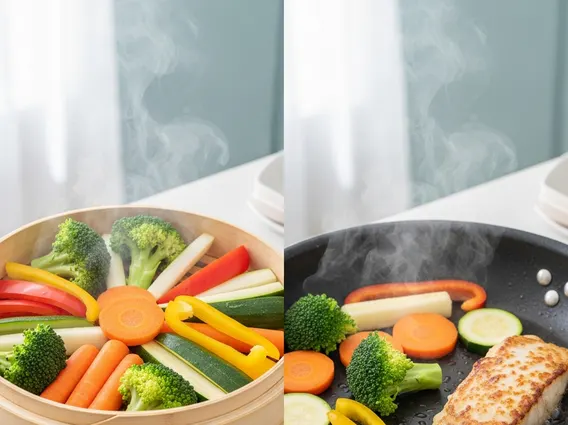
Key Takeaways
- Steaming is generally preferred for cancer patients due to its ability to preserve nutrients, minimize harmful compound formation, and be gentle on the digestive system.
- Frying, especially at high temperatures, can lead to the creation of harmful compounds and increase the caloric density of food, potentially contributing to inflammation and other health risks.
- Nutrient retention is significantly higher in steamed foods, ensuring patients receive essential vitamins, minerals, and antioxidants vital for recovery.
- Digestive ease makes steamed foods ideal for individuals experiencing treatment-related side effects like nausea or appetite changes.
- Exploring other healthy cooking methods such as baking, roasting, and poaching, alongside flavorful seasoning alternatives, can further support a beneficial diet for cancer survivors.
Steaming vs Frying: Cancer Patient Nutrition
For individuals undergoing cancer treatment or in recovery, every dietary choice can influence health outcomes. The debate of steaming vs frying cancer patients’ food centers on nutrient preservation, digestibility, and the potential formation of harmful compounds. Understanding these differences is key to making informed decisions that support healing and minimize risks.
Nutrient Retention Comparison
One of the primary advantages of steaming is its superior ability to retain nutrients. Steaming involves cooking food with moist heat, typically in a steamer basket above boiling water. This method minimizes the leaching of water-soluble vitamins (like B vitamins and vitamin C) and minerals into cooking water, a common issue with boiling. In contrast, frying, which involves cooking food in hot oil or fat, often subjects food to high temperatures that can degrade heat-sensitive nutrients. The prolonged exposure to high heat and fat can also lead to the loss of beneficial compounds, making steamed options generally more nutrient-dense for steaming vs frying for cancer patients.
Impact on Inflammation & Digestion
Inflammation is a significant concern for cancer patients, as chronic inflammation can impede recovery and potentially promote cancer progression. Fried foods, particularly those prepared with unhealthy fats and at high temperatures, can contribute to systemic inflammation. They are also often heavier and harder to digest, which can exacerbate symptoms like nausea, indigestion, or fatigue common during cancer treatment. Steamed foods, however, are typically light, easy to chew, and gentle on the digestive system. This makes is steaming food good for cancer recovery a resounding yes, as it supports gut health and reduces the digestive burden, allowing the body to focus energy on healing.
Steamed Food Benefits for Cancer Recovery
Opting for steamed foods offers a multitude of benefits that are particularly advantageous for individuals navigating cancer recovery. This cooking method aligns well with the nutritional needs of patients, helping to support their immune system and overall vitality.
Preserving Vitamins and Antioxidants
The gentle nature of steaming is excellent for preserving the delicate structure of vitamins and antioxidants crucial for cancer recovery. Vitamins like C and certain B vitamins, along with various plant-based antioxidants, are vital for immune function, cellular repair, and combating oxidative stress. Steaming ensures that these compounds remain largely intact within the food, providing maximum nutritional benefit. For example, a study published in the Journal of Food Science found that steaming vegetables like broccoli retained significantly more glucosinolates (cancer-fighting compounds) compared to boiling or frying. This direct retention of beneficial compounds is a core reason for the steamed food benefits cancer patients experience, contributing to better energy levels and a stronger defense against disease progression.
Gentle on the Digestive System
Many cancer treatments can lead to side effects such as nausea, vomiting, loss of appetite, and changes in bowel habits. Foods prepared by steaming are typically soft, moist, and free from added oils or heavy seasonings, making them exceptionally gentle on a sensitive digestive system. This ease of digestion helps prevent discomfort and ensures that patients can absorb nutrients more efficiently without aggravating gastrointestinal issues. The bland yet wholesome nature of steamed dishes can also be more appealing to patients experiencing taste changes or a reduced appetite, encouraging consistent nutrient intake during a critical period of healing.
Frying Food Effects on Cancer Risk
While frying is a popular cooking method for its crisp texture and rich flavor, its potential negative impacts on health, especially concerning cancer, are well-documented. For cancer patients and survivors, understanding these risks is essential for making healthier dietary choices.
Harmful Compounds from High Heat
One of the most significant concerns with frying, particularly deep-frying, is the formation of harmful compounds when food is cooked at high temperatures. These compounds include:
- Acrylamide: Formed in starchy foods (like potatoes) when fried or baked at high temperatures. The International Agency for Research on Cancer (IARC) classifies acrylamide as a probable human carcinogen.
- Heterocyclic Amines (HCAs) and Polycyclic Aromatic Hydrocarbons (PAHs): These are formed when muscle meats (beef, pork, poultry, fish) are cooked at high temperatures, especially when charred or grilled directly over a flame. HCAs and PAHs have been linked to an increased risk of various cancers in animal studies.
- Advanced Glycation End Products (AGEs): High-heat cooking methods, including frying, significantly increase the formation of AGEs, which are associated with oxidative stress and inflammation, potentially contributing to cancer progression and other chronic diseases.
These compounds contribute to the overall frying food effects on cancer risk, making it a less desirable cooking method for those focused on recovery and prevention.
Increased Caloric Density & Inflammation
Frying food significantly increases its caloric density due to the absorption of cooking oils. This can contribute to unwanted weight gain, which is a known risk factor for cancer recurrence and progression, according to organizations like the American Cancer Society. Furthermore, many commonly used frying oils, especially when repeatedly heated, can contain unhealthy trans fats or generate inflammatory compounds. Chronic inflammation, as mentioned earlier, can create an environment conducive to cancer growth and hinder the body’s healing processes. The combination of high calories, unhealthy fats, and inflammatory compounds underscores the potential negative impact of fried food and cancer risk, making it prudent for cancer patients to limit or avoid such preparations.
Beyond Steaming & Frying: Healthy Cooking
While steaming stands out as a top choice, a diverse approach to cooking can ensure a broad spectrum of nutrients and flavors for cancer survivors. Exploring other methods that prioritize health and nutrient retention is crucial for healthy cooking methods for cancer survivors.
Baking, Roasting, and Poaching
Beyond steaming, several other cooking methods are highly recommended for cancer patients.
- Baking: Cooking with dry heat in an oven, often with minimal added fat, can produce flavorful dishes while preserving nutrients. It’s excellent for vegetables, fish, and lean meats.
- Roasting: Similar to baking but often at higher temperatures, roasting can caramelize natural sugars, enhancing flavor. When done at moderate temperatures and without charring, it’s a healthy option for vegetables and lean proteins.
- Poaching: Involves gently cooking food in a liquid (water, broth, wine) just below boiling point. This method is incredibly gentle, retains moisture, and requires no added fats, making it ideal for delicate foods like fish and eggs.
These methods offer variety and can be adapted to create delicious and nutritious meals, supporting the overall goal of best cooking for cancer patients.
Flavorful Seasoning Alternatives
To make healthy meals appealing without resorting to unhealthy cooking methods or excessive salt, focus on natural seasonings. Herbs and spices are not only flavorful but often packed with antioxidants and anti-inflammatory compounds.
- Fresh Herbs: Parsley, cilantro, basil, oregano, rosemary, and thyme add vibrant flavor and aroma.
- Spices: Turmeric (with black pepper for absorption), ginger, garlic, paprika, and cumin can elevate dishes and offer health benefits.
- Citrus Juices: Lemon, lime, or orange juice can brighten flavors and reduce the need for salt.
- Vinegars: Apple cider vinegar or balsamic vinegar can add tang and depth.
- Aromatics: Onions, garlic, and leeks form a great flavor base for many dishes.
By incorporating these alternatives, patients can enjoy diverse and satisfying meals that support their recovery journey without compromising their health goals.
Frequently Asked Questions
Is steaming food good for cancer recovery?
Yes, steaming is highly beneficial for cancer recovery. It preserves essential vitamins, minerals, and antioxidants that are crucial for immune function and cellular repair. Steamed foods are also gentle on the digestive system, making them easier to tolerate for patients experiencing nausea, appetite loss, or other gastrointestinal side effects from treatment. This method avoids the formation of harmful compounds associated with high-heat cooking and minimizes added fats, supporting overall health and well-being during a critical healing period.
What are the main risks of fried food for cancer patients?
For cancer patients, fried foods pose several risks. High-temperature frying can lead to the formation of harmful compounds like acrylamide, heterocyclic amines (HCAs), and polycyclic aromatic hydrocarbons (PAHs), which are linked to increased cancer risk. Additionally, frying significantly increases the caloric density of food due to fat absorption, potentially contributing to unhealthy weight gain. Fried foods can also promote inflammation and are often harder to digest, which can exacerbate treatment-related side effects and hinder the body’s recovery processes.
What are other healthy cooking methods for cancer survivors?
Beyond steaming, several other healthy cooking methods are excellent for cancer survivors. These include baking, roasting, and poaching. Baking and roasting, when done at moderate temperatures and without charring, can preserve nutrients and offer delicious flavors with minimal added fats. Poaching involves gently cooking food in liquid, making it very tender and easy to digest. Light grilling or stir-frying with minimal healthy oils are also viable options. These methods help diversify the diet while prioritizing nutrient retention and avoiding the creation of harmful compounds.



