
Anti-Inflammatory Meal Ideas for Cancer Patients
Navigating a cancer diagnosis often involves exploring various ways to support one’s health, and nutrition plays a pivotal role. Adopting an anti-inflammatory diet can be a powerful strategy to complement medical treatments and enhance overall well-being for cancer patients.
Key Takeaways
- Chronic inflammation can contribute to cancer progression, and an anti-inflammatory diet helps mitigate this risk.
- Focus on whole, unprocessed foods rich in antioxidants, healthy fats, and fiber, while limiting refined sugars and unhealthy fats.
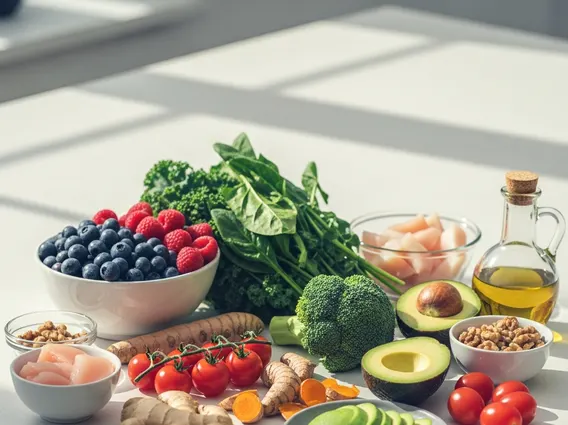
- Incorporate powerhouse foods like berries, leafy greens, fatty fish, and turmeric into daily meals.
- An anti-inflammatory diet can support treatment recovery, manage side effects, and significantly enhance quality of life.
- Successful adherence involves meal planning, preparation, and close collaboration with your healthcare team, including oncologists and registered dietitians.
Understanding Anti-Inflammatory Meals for Cancer
For individuals undergoing cancer treatment, understanding the role of diet in managing inflammation is crucial. An anti-inflammatory diet focuses on foods that help reduce inflammation in the body, which can be particularly beneficial for cancer patients.
The Role of Inflammation in Cancer
Chronic inflammation is a complex biological process that has been linked to various stages of cancer development, from initiation to progression and metastasis. Research indicates that persistent inflammation can create an environment that promotes tumor growth and resistance to therapy. For instance, the National Cancer Institute highlights that chronic inflammation can damage DNA, suppress the immune system, and promote cell proliferation, all of which contribute to cancer risk and progression. By adopting an anti-inflammatory eating pattern, individuals can potentially help modulate these inflammatory pathways, supporting their body’s natural defenses.
Core Principles of the Diet
The fundamental principles of a Cancer patient anti-inflammatory diet revolve around consuming nutrient-dense, whole foods while minimizing those that promote inflammation. This approach emphasizes a high intake of fruits, vegetables, whole grains, lean proteins, and healthy fats. It also prioritizes foods rich in antioxidants, which combat oxidative stress, and fiber, which supports gut health. Conversely, the diet limits processed foods, refined sugars, unhealthy trans fats, and excessive red and processed meats, all known contributors to systemic inflammation.
Best Anti-Inflammatory Foods for Cancer Patients
Selecting the right foods is key to building effective anti-inflammatory meals for cancer patients. Focusing on nutrient-rich options can significantly support overall health and well-being during treatment and recovery.
Powerhouse Foods to Include
Incorporating a variety of these foods can provide essential vitamins, minerals, and phytonutrients that help reduce inflammation. These are some of the best anti-inflammatory foods cancer patients can integrate into their daily diet:
- Berries: Blueberries, strawberries, raspberries, and cherries are packed with anthocyanins, powerful antioxidants.
- Leafy Green Vegetables: Spinach, kale, and collard greens are rich in vitamins A, C, and K, as well as antioxidants.
- Cruciferous Vegetables: Broccoli, cauliflower, Brussels sprouts, and cabbage contain sulforaphane and other compounds that support detoxification.
- Fatty Fish: Salmon, mackerel, sardines, and tuna are excellent sources of omega-3 fatty acids, known for their potent anti-inflammatory effects.
- Nuts and Seeds: Almonds, walnuts, flaxseeds, and chia seeds provide healthy fats, fiber, and antioxidants.
- Olive Oil: Extra virgin olive oil, a staple of the Mediterranean diet, contains oleocanthal, which has anti-inflammatory properties similar to ibuprofen.
- Turmeric: This spice contains curcumin, a compound with strong anti-inflammatory and antioxidant benefits.
- Ginger: Known for its anti-inflammatory and anti-nausea properties, ginger can be incorporated into many dishes.
- Whole Grains: Oats, quinoa, brown rice, and whole wheat bread provide fiber and can help regulate blood sugar levels.
- Legumes: Beans, lentils, and chickpeas are good sources of plant-based protein, fiber, and various micronutrients.
Foods to Limit or Avoid
To maximize the benefits of an anti-inflammatory diet, it is equally important to reduce or eliminate foods that can promote inflammation:
- Processed Foods: Items high in artificial ingredients, preservatives, and unhealthy fats.
- Refined Sugars: Found in sodas, candies, pastries, and many packaged foods, they can spike blood sugar and promote inflammation.
- Trans Fats: Often found in fried foods, fast food, and some baked goods; these fats are highly inflammatory.
- Excessive Red and Processed Meats: High consumption of red meat (beef, pork, lamb) and processed meats (bacon, sausage) has been linked to increased inflammation and cancer risk.
- Refined Grains: White bread, white rice, and pasta made from refined flour lack fiber and can contribute to blood sugar imbalances.
Practical Anti-Inflammatory Meal Ideas for Cancer
Translating dietary principles into delicious and manageable meals is essential for adherence. Here are some practical anti-inflammatory meals for cancer patients, offering both variety and nutritional benefits.
Breakfast & Snack Suggestions
Starting the day with nutrient-rich options and having healthy snacks on hand can help maintain energy levels and keep inflammation at bay. These recipes for cancer anti-inflammatory diets are simple to prepare.
- Berry & Spinach Smoothie: Blend spinach, mixed berries, a scoop of plant-based protein powder, chia seeds, and unsweetened almond milk.
- Oatmeal with Nuts and Seeds: Cook rolled oats with water or unsweetened plant milk, then top with walnuts, flaxseeds, and a sprinkle of cinnamon.
- Avocado Toast: Whole-grain toast topped with mashed avocado, a pinch of red pepper flakes, and a squeeze of lemon.
- Greek Yogurt with Fruit (if tolerated): Plain, unsweetened Greek yogurt (dairy or plant-based) with fresh berries and a few chopped almonds.
- Apple Slices with Almond Butter: A simple, satisfying snack providing fiber and healthy fats.
- Hard-Boiled Eggs: A convenient source of protein and essential nutrients.
Main Course Inspirations
For lunch and dinner, focus on balanced meals that combine lean protein, plenty of vegetables, and healthy fats. Here’s what to eat anti-inflammatory cancer patients can consider for their main meals:
| Meal Type | Description | Key Anti-Inflammatory Ingredients |
|---|---|---|
| Baked Salmon with Roasted Vegetables | Salmon fillet baked with olive oil, lemon, and herbs, served alongside roasted broccoli, bell peppers, and sweet potatoes. | Salmon (omega-3s), olive oil, broccoli, bell peppers (antioxidants). |
| Chicken and Vegetable Stir-fry | Lean chicken breast stir-fried with a colorful array of vegetables like snap peas, carrots, mushrooms, and bok choy, using ginger and garlic. Serve with brown rice. | Chicken (lean protein), various vegetables, ginger, garlic. |
| Lentil Soup with Whole-Grain Bread | A hearty soup made with lentils, carrots, celery, onions, and turmeric. Serve with a slice of whole-grain bread. | Lentils (fiber, protein), vegetables, turmeric. |
| Quinoa Salad with Chickpeas and Greens | Cooked quinoa mixed with chickpeas, cucumber, cherry tomatoes, spinach, and a lemon-tahini dressing. | Quinoa (whole grain), chickpeas (fiber, protein), spinach, vegetables. |
| Turkey Meatballs with Zucchini Noodles | Lean ground turkey meatballs seasoned with herbs, served over spiralized zucchini noodles with a light tomato sauce. | Turkey (lean protein), zucchini, tomatoes (lycopene). |
Benefits of an Anti-Inflammatory Diet in Cancer Care
Adopting an anti-inflammatory diet offers a multitude of advantages beyond just reducing inflammation, significantly impacting the overall cancer journey.
Supporting Treatment & Recovery
The anti-inflammatory diet benefits cancer patients by providing crucial support during and after medical treatments. By reducing systemic inflammation, this dietary approach can help manage common side effects of chemotherapy and radiation, such as fatigue, nausea, and digestive issues. A well-nourished body, rich in anti-inflammatory compounds, is better equipped to repair damaged cells, support immune function, and recover more effectively from the rigors of treatment. For example, adequate intake of antioxidants can help protect healthy cells from damage, while fiber aids in maintaining a healthy gut microbiome, which is increasingly recognized for its role in immune response and treatment efficacy.
Enhancing Quality of Life
Beyond physical recovery, an anti-inflammatory diet can profoundly enhance a cancer patient’s quality of life. Patients often report improved energy levels, better digestion, and a greater sense of well-being when following this eating pattern. The focus on whole, unprocessed foods can also contribute to better mood stability and reduced anxiety, which are vital during a challenging time. By providing the body with optimal nutrition, patients may experience fewer discomforts and have more strength and vitality to engage in daily activities, ultimately leading to a more positive outlook and improved mental health.
Tips for Sustaining Your Anti-Inflammatory Diet
Maintaining an anti-inflammatory diet long-term requires planning and support. These strategies can help cancer patients successfully integrate and sustain these beneficial eating habits.
Meal Planning & Preparation
Effective meal planning is fundamental to adhering to an anti-inflammatory diet, especially for individuals managing cancer. Creating weekly meal plans anti-inflammatory cancer patients can easily follow helps ensure a consistent intake of beneficial foods and reduces the temptation to opt for less healthy, convenient options. This involves:
- Grocery Lists: Plan your meals for the week and create a detailed shopping list to avoid impulse purchases of inflammatory foods.
- Batch Cooking: Prepare larger quantities of staple ingredients like cooked grains (quinoa, brown rice), roasted vegetables, or lean proteins (baked chicken, lentils) that can be used in multiple meals throughout the week.
- Simple Recipes: Focus on straightforward recipes that don’t require extensive cooking time or complex ingredients, making the process less daunting.
- Snack Prep: Portion out healthy snacks like nuts, seeds, or chopped vegetables in advance for easy access.
Working with Your Healthcare Team
It is paramount to collaborate closely with your healthcare providers when making significant dietary changes, particularly during cancer treatment. Your oncology team, including doctors, nurses, and especially a registered dietitian specializing in oncology, can provide personalized guidance. They can help tailor the anti-inflammatory diet to your specific cancer type, treatment plan, and any side effects you may be experiencing. A dietitian can also ensure that your diet meets all your nutritional needs, prevents deficiencies, and does not interfere with medications or treatments. Always inform your team about any supplements or dietary changes you plan to make.
Frequently Asked Questions
Is an anti-inflammatory diet suitable for all cancer types?
While the principles of an anti-inflammatory diet are generally beneficial for overall health, its suitability can vary based on the specific cancer type, stage, and ongoing treatments. For instance, patients with certain gastrointestinal cancers might need modifications to fiber intake. It’s crucial to consult with an oncologist and a registered dietitian specializing in oncology to tailor the diet to individual needs, ensuring it supports treatment and recovery without causing adverse effects or nutritional deficiencies.
How quickly can one expect to see benefits from this diet?
The timeline for experiencing benefits from an anti-inflammatory diet can vary significantly among individuals. Some patients may notice improvements in energy levels, digestion, or a reduction in certain side effects within a few weeks of consistent adherence. However, the deeper, systemic benefits, such as modulating inflammatory markers, often take longer to manifest and are best assessed through clinical monitoring. Consistency is key, and the diet is most effective as a long-term lifestyle change rather than a short-term fix.
Can this diet replace conventional cancer treatment?
No, an anti-inflammatory diet is a complementary approach and should never replace conventional cancer treatments prescribed by your medical team, such as chemotherapy, radiation, surgery, or immunotherapy. While it can significantly support your body, enhance well-being, and potentially improve treatment tolerance, it is not a cure for cancer. Always discuss any dietary changes with your oncologist to ensure they align with your treatment plan and contribute positively to your overall care strategy.