Nutrition plays a critical role in how the body tolerates and responds to lung cancer treatment. Choosing the right foods can help maintain strength, support immune function, and improve overall quality of life during one of the most challenging health journeys a person can face.
Key Takeaways
- A nutrient-dense diet supports energy, immune health, and treatment tolerance in lung cancer patients.
- Lean proteins, colorful vegetables, whole grains, and healthy fats form the foundation of a cancer-supportive diet.
- Certain foods and substances — including processed meats, alcohol, and raw foods during chemotherapy — should be limited or avoided.
- Small, frequent meals help manage treatment-related side effects such as nausea, fatigue, and appetite loss.
- Always work with a registered dietitian who specializes in oncology nutrition to create a personalized plan.
Best Food for Lung Cancer Patients to Eat During Treatment
Best food for lung cancer patients refers to nutrient-rich, easily digestible options that help the body sustain energy, repair tissue, and maintain a healthy immune response throughout treatment. According to the American Cancer Society, many people undergoing cancer treatment experience significant weight loss and malnutrition, which can negatively affect treatment outcomes and recovery speed. Prioritizing high-quality nutrition from the very beginning of treatment makes a measurable difference.
Lean proteins are among the most important dietary components for lung cancer patients. Chicken, turkey, fish, eggs, tofu, and legumes all help rebuild muscle tissue and support immune cell production. The body’s protein requirements often increase during chemotherapy and radiation, making it essential to include a protein source at every meal. Patients who struggle with appetite may benefit from protein-fortified smoothies or soft foods like Greek yogurt and cottage cheese.
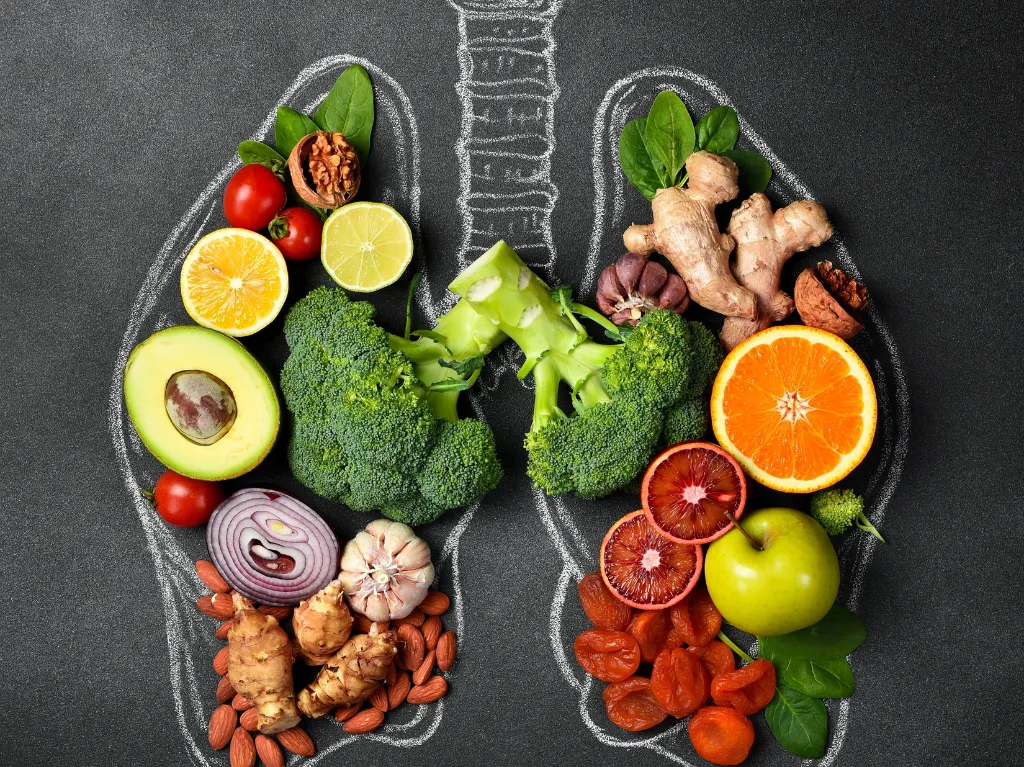
Whole grains such as oats, brown rice, quinoa, and whole wheat bread provide sustained energy and dietary fiber, which supports digestive health. Colorful fruits and vegetables — particularly dark leafy greens, berries, carrots, and bell peppers — deliver antioxidants, vitamins, and minerals that the body needs to cope with oxidative stress caused by both the disease and its treatment. Healthy fats from sources like avocado, olive oil, nuts, and seeds provide concentrated calories that help patients maintain a healthy weight when appetite is diminished.
| Food Category | Examples | Primary Benefit |
|---|---|---|
| Lean Proteins | Chicken, fish, eggs, tofu, legumes | Muscle repair and immune support |
| Whole Grains | Oats, quinoa, brown rice, whole wheat | Sustained energy and fiber |
| Fruits & Vegetables | Berries, leafy greens, carrots, peppers | Antioxidants, vitamins, and minerals |
| Healthy Fats | Avocado, olive oil, nuts, seeds | Caloric density and anti-inflammatory support |
| Dairy & Alternatives | Greek yogurt, cottage cheese, fortified plant milk | Protein, calcium, and probiotics |
Foods That Help Lung Cancer Patients Fight Cancer and Build Immunity
Foods that help lung cancer patients fight cancer are those with documented anti-inflammatory, antioxidant, or immune-modulating properties that create a less favorable internal environment for cancer progression. Research published by the National Cancer Institute highlights that dietary patterns rich in plant-based foods are consistently associated with lower levels of systemic inflammation, which is a known driver of cancer growth and treatment complications.
Cruciferous vegetables — including broccoli, cauliflower, Brussels sprouts, and kale — contain compounds called glucosinolates, which the body converts into bioactive molecules with potential cancer-inhibiting properties. These vegetables also supply folate, vitamin C, and vitamin K, all of which contribute to cellular repair and immune function. Incorporating at least one cruciferous vegetable daily is a practical step toward building a more resilient immune defense.
A lung cancer diet plan for better immunity is a structured eating approach that emphasizes foods scientifically associated with immune enhancement, inflammation reduction, and nutritional sufficiency during cancer treatment. Omega-3 fatty acids found in fatty fish such as salmon, mackerel, and sardines play an important role in this plan by reducing inflammatory cytokines that can worsen side effects and compromise immune function. Garlic, ginger, and turmeric are also frequently cited in nutritional oncology literature for their bioactive compounds, though patients should consult their oncology team before using these in concentrated supplement form, as some may interact with medications.
Probiotic-rich foods such as yogurt, kefir, and fermented vegetables support gut microbiome health, which is increasingly recognized as central to immune function. A 2022 review in the journal Nutrients noted that gut microbiota diversity is associated with better immunotherapy responses in cancer patients. While diet alone cannot cure lung cancer, these food choices create a physiological environment that supports the body’s own defenses and enhances treatment efficacy.
Best Food for Lung Cancer Patients: What to Avoid During Chemo
Foods to avoid with lung cancer during chemo are those that increase infection risk, interfere with drug metabolism, promote inflammation, or place unnecessary strain on the digestive system during an already demanding treatment period. Chemotherapy suppresses the immune system, making patients significantly more vulnerable to foodborne illness. The Centers for Disease Control and Prevention (CDC) advises immunocompromised individuals to follow specific food safety protocols to minimize exposure to harmful pathogens.
Raw or undercooked proteins — including rare meat, raw shellfish, sushi, and unpasteurized eggs — should be strictly avoided during chemotherapy. Raw sprouts, unwashed produce, and unpasteurized dairy products also carry elevated microbiological risks. All fruits and vegetables should be washed thoroughly under running water, and all animal proteins should be cooked to their recommended internal temperatures before consumption.
Processed meats such as bacon, sausage, hot dogs, and deli meats contain nitrates and high levels of sodium, both of which are associated with increased inflammation and a higher overall cancer risk according to the World Health Organization (WHO), which has classified processed meat as a Group 1 carcinogen. Sugary beverages, refined carbohydrates, and fast food contribute to blood sugar spikes and systemic inflammation, which can worsen fatigue and compromise immune function. Alcohol should be minimized or eliminated entirely, as it is metabolized by the liver — an organ already under stress from chemotherapy agents — and can enhance the toxicity of certain drugs.
Grapefruit and grapefruit juice deserve special mention because they contain furanocoumarins, compounds that inhibit a key liver enzyme (CYP3A4) responsible for metabolizing many chemotherapy drugs. Consuming grapefruit during treatment can cause medications to accumulate at dangerously high levels in the bloodstream. Patients should review all dietary restrictions with their oncologist and pharmacist to ensure their food choices do not interfere with their specific treatment regimen.
Practical Meal Planning Tips for Lung Cancer Recovery
Nutrition tips for lung cancer patients center on adapting eating habits to accommodate the physical realities of treatment — including nausea, taste changes, fatigue, and reduced appetite — while still meeting the body’s elevated nutritional demands. Eating five to six small meals throughout the day, rather than three large ones, is often more manageable and helps sustain blood sugar levels and energy. Even when appetite is low, consistent small portions of nutrient-dense food are more beneficial than skipping meals entirely.
Healthy meals for lung cancer patients’ recovery are those that are easy to prepare, gentle on the digestive system, high in protein and micronutrients, and adaptable to changing taste sensitivities. Smoothies made with spinach, banana, Greek yogurt, and almond butter offer a practical way to deliver substantial nutrition without requiring the patient to sit down to a full plate. Soups and stews using chicken or lentil bases with soft vegetables are another excellent option, as they are easy to chew, hydrating, and nutrient-rich.
Taste changes — a common side effect of chemotherapy — may make familiar foods taste metallic or unpleasant. Using plastic utensils, marinating proteins in citrus-based sauces, and experimenting with herbs and mild spices can help make meals more palatable without irritating a sensitive digestive tract. Staying well hydrated is equally important; water, herbal teas, and electrolyte-rich broths help the kidneys flush out treatment byproducts and reduce fatigue.
Working with a registered oncology dietitian is the most effective way to develop a personalized what to eat during lung cancer treatment approach that accounts for the patient’s specific cancer type, treatment protocol, weight status, and individual tolerances. The Academy of Nutrition and Dietetics recommends that all cancer patients receive nutritional counseling as part of their comprehensive care plan. Keeping a simple food and symptom diary can also help identify which foods are well tolerated and which worsen side effects, enabling ongoing adjustments throughout the treatment journey.
Frequently Asked Questions
Can diet actually improve lung cancer treatment outcomes?
Diet alone cannot treat or cure lung cancer, but strong nutritional support helps the body tolerate chemotherapy and radiation more effectively. Patients who maintain adequate nutrition tend to experience fewer severe side effects, recover faster between treatment cycles, and have better overall quality of life. Research consistently shows that malnutrition during cancer treatment is associated with poorer prognosis, making dietary management a meaningful component of comprehensive oncology care.
Are supplements a safe substitute for whole foods during lung cancer treatment?
Supplements are generally not a safe or adequate substitute for whole foods. Some high-dose antioxidant supplements may actually interfere with chemotherapy or radiation therapy by protecting cancer cells from oxidative damage. Patients should only take supplements recommended or approved by their oncology team. Whole foods provide synergistic combinations of nutrients that supplements cannot fully replicate, making a balanced, food-first approach the preferred strategy throughout treatment.
How can lung cancer patients manage appetite loss during treatment?
Managing appetite loss involves eating frequent small meals, focusing on calorie- and protein-dense foods, and making mealtimes as comfortable and low-stress as possible. Cold or room-temperature foods are often better tolerated than hot meals when nausea is present. Liquid nutrition options such as smoothies or fortified shakes can fill nutritional gaps on days when solid food is unappealing. An oncology dietitian can provide personalized strategies based on the patient’s specific symptoms and treatment schedule.
Note: The nutritional information provided in this article is intended for general educational purposes only. It does not constitute medical advice and should not replace guidance from a qualified healthcare professional or registered dietitian. Always consult your oncology care team before making significant changes to your diet during cancer treatment.