
Transitioning to a Plant-Based Diet During Cancer Treatment
Navigating cancer treatment often involves significant lifestyle adjustments, and dietary changes can play a crucial supportive role. Adopting a plant-based diet during cancer treatment can offer numerous benefits, from managing side effects to bolstering overall well-being.
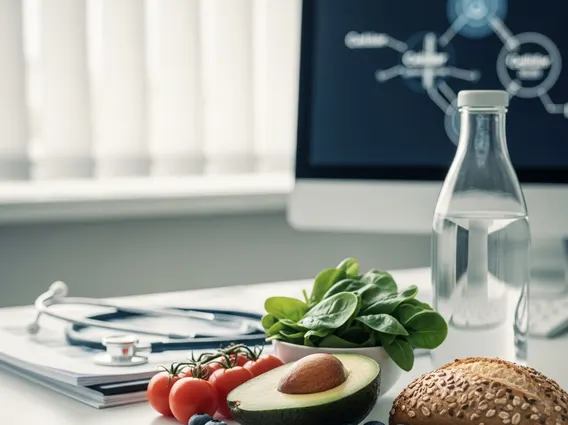
Key Takeaways
- A plant-based diet can help reduce inflammation and support immune function during cancer treatment.
- Gradual transitions and careful pantry stocking can make adopting a plant-based diet more manageable.
- Specific plant-based food choices can alleviate common treatment side effects like nausea and fatigue.
- Ensuring adequate protein, iron, B12, and omega-3s is vital for cancer patients on a plant-based diet.
- Simple, batch-cooked plant-based meals can provide essential nutrition while conserving energy.
Benefits of a Plant-Based Diet During Cancer
Embracing a plant-focused eating pattern can be a powerful component of a holistic approach to cancer care. The rich nutrient profile of plant foods contributes significantly to the body’s resilience during this challenging time, offering specific advantages that complement medical treatments.
Reducing Inflammation & Boosting Immunity
Chronic inflammation is a known factor in cancer progression and can be exacerbated by treatments. A diet abundant in fruits, vegetables, whole grains, legumes, nuts, and seeds is naturally anti-inflammatory. These foods are packed with antioxidants, phytochemicals, and fiber, which work synergistically to combat oxidative stress and reduce systemic inflammation. For instance, a review published in Nutrients in 2020 highlighted how plant-derived compounds can modulate immune responses and reduce inflammation, which is crucial for patients undergoing cancer therapy. By reducing inflammation, a plant-based diet during cancer treatment can help support a more robust immune system, potentially improving the body’s ability to fight off infections and recover from treatment.
Managing Treatment Side Effects
Cancer treatments often come with a range of challenging side effects, including fatigue, nausea, constipation, and appetite changes. The high fiber content in plant foods promotes regular bowel movements, alleviating constipation, a common issue. Nutrient-dense whole foods provide sustained energy, helping to combat treatment-related fatigue. Furthermore, many plant-based foods are easier to digest and can be prepared in ways that are gentle on a sensitive stomach, which is particularly beneficial for those experiencing nausea or taste alterations. Opting for bland, easy-to-digest plant-based options can make eating more tolerable and ensure consistent nutrient intake.
Navigating Your Plant-Based Diet Cancer Transition
Making significant dietary changes during cancer treatment requires thoughtful planning and a personalized approach. The journey towards a plant based diet cancer transition can be empowering, but it’s essential to consider individual needs and preferences.
Gradual Changes vs. Going All-In
There’s no single “right” way to transition to a plant-based diet. Some individuals may prefer a gradual approach, slowly incorporating more plant foods while reducing animal products over weeks or months. This allows the body to adjust and helps prevent feeling overwhelmed. Others might feel motivated to make an immediate, comprehensive shift. The best strategy depends on your current health status, energy levels, and personal comfort. Consulting with a registered dietitian specializing in oncology nutrition can provide tailored guidance, ensuring the transition supports your treatment goals without causing additional stress or nutritional deficiencies. Remember, even small, consistent changes can yield significant benefits.
Stocking Your Plant-Based Pantry
A well-stocked pantry is key to a successful plant based diet cancer transition. Having readily available ingredients makes meal preparation easier, especially on days when energy is low. Focus on nutrient-dense staples:
- Legumes: Canned or dried beans (black beans, chickpeas, lentils), peas.
- Whole Grains: Oats, quinoa, brown rice, whole-wheat pasta, whole-grain bread.
- Nuts & Seeds: Almonds, walnuts, chia seeds, flax seeds, hemp seeds (great for protein and healthy fats).
- Frozen Fruits & Vegetables: Berries, spinach, broccoli, mixed vegetables (convenient and retain nutrients).
- Plant Milks: Almond, soy, oat milk (unsweetened).
- Healthy Fats: Olive oil, avocado oil, nut butters.
- Herbs & Spices: To add flavor without relying on excessive salt or unhealthy fats.
This foundation allows for quick, nutritious meals and snacks, supporting consistent adherence to your dietary goals.
Eating Plant-Based During Chemotherapy & Treatment
Chemotherapy and other cancer treatments can significantly impact appetite and digestion. Strategic food choices are vital for maintaining strength and managing discomfort. Focusing on easily digestible, nutrient-rich plant foods can make a considerable difference when eating plant-based during chemotherapy.
Combating Nausea & Appetite Loss
Nausea and a diminished appetite are common side effects that can make eating challenging. When eating plant-based during chemotherapy, focus on bland, low-fat, and easy-to-digest foods. Small, frequent meals rather than large ones can be more tolerable. Consider options like:
- Smoothies made with plant milk, bananas, and a scoop of plant-based protein powder.
- Plain oatmeal or cream of wheat prepared with water or plant milk.
- Baked sweet potatoes or plain mashed potatoes.
- Soft cooked vegetables like carrots or zucchini.
- Toast with a thin layer of avocado.
- Ginger tea or ginger chews can help soothe nausea.
Avoid strong odors, greasy foods, and overly spicy dishes, which can exacerbate nausea. Listen to your body and eat what you can tolerate, prioritizing nutrient density when possible.
Hydration & Fiber for Digestive Health
Maintaining adequate hydration is paramount during cancer treatment, especially when experiencing nausea, vomiting, or diarrhea. Water, herbal teas, clear broths, and diluted fruit juices are good choices. For digestive health, the fiber found in plant foods is crucial. While high fiber intake is generally beneficial, during periods of severe digestive upset, a temporary shift to lower-fiber, easily digestible plant foods might be necessary, as advised by your healthcare team. However, for most, a balanced intake of soluble and insoluble fiber from fruits, vegetables, and whole grains helps regulate bowel movements, preventing both constipation and diarrhea. Soluble fiber, found in oats, apples, and beans, can also help stabilize blood sugar and promote a healthy gut microbiome.
Essential Plant-Based Nutrition for Cancer Patients
Ensuring comprehensive nutrition is critical for cancer patients, and a well-planned vegan diet for cancer patients can meet all essential requirements. Careful attention to specific nutrients often associated with animal products is necessary to prevent deficiencies and support recovery.
Ensuring Adequate Protein & Iron
Protein is vital for tissue repair, immune function, and maintaining muscle mass, especially during cancer treatment. Excellent plant-based protein sources include legumes (lentils, beans, chickpeas), tofu, tempeh, edamame, seitan, nuts, seeds (hemp, chia, flax), and whole grains like quinoa. Combining different plant protein sources throughout the day ensures a complete amino acid profile. Iron is another crucial nutrient, essential for preventing anemia and maintaining energy levels. Plant-based iron sources include lentils, spinach, kale, fortified cereals, tofu, and pumpkin seeds. To enhance iron absorption, pair iron-rich plant foods with vitamin C sources, such as citrus fruits, bell peppers, or broccoli. This strategic pairing is a key part of any comprehensive nutrition guide plant-based cancer.
Vitamin B12 & Omega-3 Considerations
Vitamin B12 is primarily found in animal products, making supplementation or fortified foods essential for individuals following a vegan diet for cancer patients. B12 plays a critical role in nerve function and red blood cell formation. Fortified plant milks, nutritional yeast, and certain fortified cereals can provide some B12, but a reliable B12 supplement is often recommended. Omega-3 fatty acids, particularly EPA and DHA, are important for reducing inflammation and supporting brain health. While flaxseeds, chia seeds, and walnuts provide ALA (alpha-linolenic acid), which the body can convert to EPA and DHA, the conversion rate can be low. Therefore, an algal oil supplement, which directly provides EPA and DHA, is often a valuable addition to a nutrition guide plant-based cancer to ensure adequate intake of these crucial fats.
Plant-Based Recipes & Meal Planning for Support
Meal planning and preparing nourishing food can be challenging during cancer treatment due to fatigue, nausea, and changes in appetite. Focusing on simple, comforting, and nutrient-dense plant-based recipes for cancer support can make a significant difference.
Quick & Easy Comfort Food Ideas
When energy is low, quick and easy meals are paramount. Prioritize dishes that require minimal preparation and are gentle on the stomach. Here are some ideas for plant-based recipes for cancer support:
- Lentil Soup: A simple, hearty soup made with red lentils, carrots, celery, and vegetable broth. It’s easy to digest and packed with protein and fiber.
- Avocado Toast with Hemp Seeds: Whole-grain toast topped with mashed avocado, a sprinkle of hemp seeds for extra protein and omega-3s, and a pinch of salt.
- Quinoa Bowls: Cooked quinoa as a base, topped with steamed vegetables (broccoli, spinach), chickpeas, and a light lemon-tahini dressing.
- Fruit & Nut Butter Smoothies: Blend plant milk, banana, spinach, and a tablespoon of almond or peanut butter for a quick, nutrient-dense meal replacement.
- Baked Sweet Potato with Black Beans: A comforting and filling option, rich in vitamins and fiber.
These recipes are designed to be both nourishing and easy to prepare, providing essential nutrients without overwhelming the digestive system.
Batch Cooking for Energy Conservation
Batch cooking is an invaluable strategy for cancer patients, allowing for nutritious meals to be available without daily effort. Dedicate one day a week, or even a few hours, to prepare larger quantities of staples. Cook a big batch of quinoa or brown rice, roast a tray of vegetables (broccoli, sweet potatoes, bell peppers), and prepare a large pot of lentil soup or bean chili. These components can then be mixed and matched throughout the week to create different meals. For example, roasted vegetables and grains can be added to salads, wraps, or served as a side. Soups and stews can be portioned and frozen for quick defrosting. This approach conserves precious energy, reduces decision fatigue, and ensures a consistent supply of healthy, homemade plant-based meals.
Frequently Asked Questions
Is a plant-based diet safe during all stages of cancer treatment?
A well-planned plant-based diet is generally safe and beneficial during most stages of cancer treatment, providing essential nutrients, antioxidants, and fiber. However, individual needs vary greatly depending on the type of cancer, treatment regimen, and any specific side effects. It is crucial to consult with your oncology team and a registered dietitian specializing in cancer care before making significant dietary changes. They can help tailor the diet to your specific health requirements, ensuring it supports your treatment and recovery without compromising nutritional status.
How can I ensure I get enough protein on a plant-based diet?
Ensuring adequate protein on a plant-based diet is achievable by incorporating a variety of protein-rich plant foods into your daily meals. Excellent sources include legumes (beans, lentils, chickpeas), soy products (tofu, tempeh, edamame), nuts, seeds (chia, flax, hemp), and whole grains like quinoa. Combining different plant protein sources throughout the day helps ensure you receive all essential amino acids. For those with increased protein needs due to treatment, plant-based protein powders from pea, rice, or hemp can also be a convenient supplement.
What if I experience severe nausea and can’t eat solid foods?
During periods of severe nausea or appetite loss, prioritizing hydration and easily digestible liquid or semi-liquid plant-based options is key. Smoothies made with plant milk, fruit, and a gentle protein source (like silken tofu or a mild plant protein powder) can provide concentrated nutrients. Clear vegetable broths, diluted fruit juices, and herbal teas (especially ginger) can also be helpful. Focus on small, frequent sips and bites, and avoid strong odors or greasy foods. Always communicate persistent nausea or inability to eat with your healthcare team, as they can offer medical interventions and further dietary guidance.
Disclaimer: The information provided in this article is for educational purposes only and is not intended to be a substitute for professional medical advice, diagnosis, or treatment. Always seek the advice of your physician or other qualified health provider with any questions you may have regarding a medical condition or before making any dietary changes, especially during cancer treatment.



