Syngeneic Stem Cell Transplantation
Syngeneic Stem Cell Transplantation is a specialized medical procedure used to treat various diseases, primarily certain cancers and blood disorders. It involves the transfer of healthy stem cells from a genetically identical donor to a recipient.
Key Takeaways
- Syngeneic Stem Cell Transplantation utilizes stem cells from an identical twin donor.
- This genetic match virtually eliminates the risk of graft-versus-host disease (GVHD).
- The procedure involves conditioning, stem cell collection, and subsequent infusion into the recipient.
- Patients typically require significantly less immunosuppression compared to other transplant types.
- It represents a rare but highly effective treatment option for specific medical conditions.
What is Syngeneic Stem Cell Transplantation?
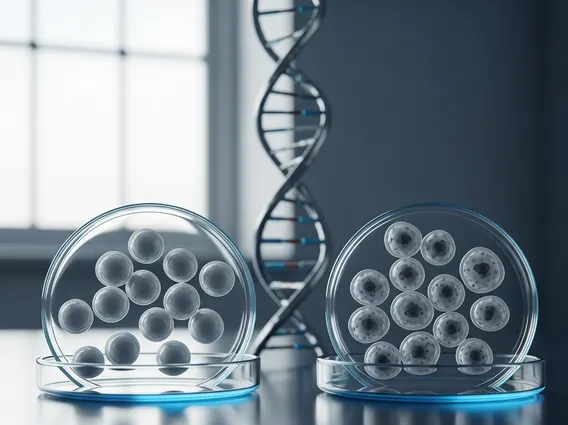
Syngeneic Stem Cell Transplantation refers to a unique type of allogeneic hematopoietic stem cell transplant where the donor and recipient are genetically identical, typically identical twins. This genetic identity means they share the exact same human leukocyte antigen (HLA) markers, which are crucial for immune system recognition. The primary goal of this procedure is to replace diseased or damaged bone marrow with healthy stem cells, allowing for the regeneration of a new, functional blood and immune system.
The syngeneic stem cell transplantation explanation highlights its distinct advantage over other transplant types. Because the donor and recipient are genetically identical, the recipient’s immune system recognizes the donor cells as “self,” virtually eliminating the risk of graft-versus-host disease (GVHD), a common and potentially severe complication in other allogeneic transplants. This unique immunological compatibility simplifies post-transplant care significantly, reducing the need for intensive immunosuppressive therapies.
The Syngeneic Stem Cell Transplant Procedure
The syngeneic stem cell transplant procedure generally follows several key stages, similar to other stem cell transplants, but with critical immunological differences. Initially, the recipient undergoes a conditioning regimen, which involves high-dose chemotherapy, sometimes combined with radiation therapy. This step serves two purposes: to eradicate the diseased cells and to create space in the bone marrow for the new stem cells.
Following conditioning, stem cells are collected from the healthy identical twin donor. This is typically done through apheresis, where blood is drawn, stem cells are separated, and the remaining blood is returned to the donor. The collected stem cells are then infused intravenously into the recipient. These cells naturally migrate to the bone marrow, where they engraft and begin producing new, healthy blood cells. The absence of immunological mismatch means that the recipient’s body readily accepts the new cells without a significant immune reaction.
- Conditioning: High-dose chemotherapy and/or radiation to eliminate diseased cells and prepare the bone marrow.
- Stem Cell Collection: Healthy stem cells are harvested from the identical twin donor, usually via apheresis.
- Infusion: The collected stem cells are administered intravenously to the recipient.
- Engraftment: Stem cells migrate to the bone marrow, multiply, and begin producing new blood cells.
Benefits of Syngeneic Stem Cell Transplantation
The benefits of syngeneic stem cell transplant are primarily rooted in the genetic identity between the donor and recipient. The most significant advantage is the near-complete absence of graft-versus-host disease (GVHD), a severe complication where donor immune cells attack the recipient’s tissues. This eliminates the need for prolonged and intensive immunosuppressive therapy, which is often required in other allogeneic transplants and carries its own risks, such as increased susceptibility to infections and organ toxicity.
Furthermore, the lack of GVHD means a faster recovery time and improved quality of life for the recipient post-transplant. The reduced need for immunosuppression also lowers the risk of opportunistic infections. However, it is important to note that while GVHD is avoided, the absence of a “graft-versus-tumor” effect (where donor immune cells help eliminate residual cancer cells) can sometimes be a drawback, potentially leading to a higher risk of disease relapse compared to allogeneic transplants with some degree of HLA mismatch. Despite this, for patients with an identical twin donor, syngeneic transplantation remains a highly effective and safer option due to its unparalleled immunological compatibility.