
Sphenoid Sinus
The sphenoid sinus is one of the four pairs of paranasal sinuses, located deep within the skull. Understanding its location, function, and potential issues is crucial for diagnosing various head and facial conditions.
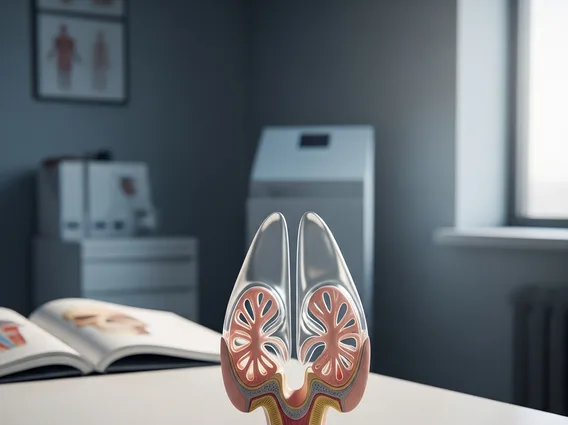
Key Takeaways
- The sphenoid sinus is a pair of air-filled cavities situated deep within the sphenoid bone at the base of the skull.
- It plays a role in humidifying inhaled air, reducing skull weight, and contributing to voice resonance.
- Its unique anatomical position makes it susceptible to specific symptoms when inflamed or infected.
- Symptoms like deep headaches, postnasal drip, and in rare cases, vision changes, can indicate sphenoid sinus issues.
What is the Sphenoid Sinus?
The Sphenoid Sinus refers to a pair of air-filled cavities located within the sphenoid bone, which is situated at the base of the skull, behind the eyes and nose. This deep anatomical position distinguishes it from other paranasal sinuses like the frontal, maxillary, and ethmoid sinuses. Understanding what is Sphenoid Sinus involves recognizing its intricate relationship with vital structures, including the optic nerves, carotid arteries, and pituitary gland, making its health particularly significant. These sinuses are lined with a mucous membrane that helps to filter and humidify the air we breathe.
Anatomy and Function of the Sphenoid Sinus
The Sphenoid sinus anatomy is complex, characterized by its location within the sphenoid bone, a butterfly-shaped bone at the center of the skull. Each sphenoid sinus is typically divided by a septum, though this can vary in position and completeness between individuals. Its posterior wall is adjacent to the clivus and brainstem, while its superior wall is in close proximity to the optic chiasm and pituitary gland. The lateral walls are near the cavernous sinuses, which house critical nerves and blood vessels. The drainage pathway for the sphenoid sinus is through an ostium that opens into the sphenoethmoidal recess, located at the back of the nasal cavity.
The primary Sphenoid sinus function includes several physiological roles essential for respiratory health and cranial mechanics. Like other paranasal sinuses, it contributes to the humidification and warming of inhaled air before it reaches the lungs, protecting delicate lung tissues. Additionally, these air-filled cavities help to lighten the weight of the skull, making head movement easier and reducing the load on the neck muscles. They also play a role in voice resonance, influencing the unique sound of an individual’s speech by acting as resonating chambers.
- Air Humidification and Warming: Prepares inhaled air for the respiratory system by adding moisture and raising its temperature.
- Skull Weight Reduction: Contributes to the overall lightness of the head, facilitating movement and reducing strain.
- Voice Resonance: Modifies the quality and timbre of the voice, giving it unique characteristics.
Symptoms Related to the Sphenoid Sinus
When the sphenoid sinus becomes inflamed or infected, a condition known as sphenoid sinusitis, it can lead to a range of distinct Sphenoid sinus symptoms. Due to its deep location, the pain associated with sphenoid sinusitis is often described as a deep, central headache, frequently felt behind the eyes, in the forehead, or at the top of the head. Unlike other sinus infections, facial pain might be less prominent, but pressure can be intense and persistent. The pain can sometimes radiate to the back of the head or neck.
Other common symptoms can include:
- Headache: Often severe and localized deep within the head, behind the eyes, or in the vertex (top) of the skull, potentially radiating.
- Postnasal Drip: Mucus dripping down the back of the throat, which can cause a cough or sore throat.
- Nasal Congestion: Difficulty breathing through the nose, though this can be less pronounced than with other sinus infections.
- Vision Changes: In rare but serious cases, inflammation can affect the optic nerve due to its close proximity, leading to blurred vision, double vision, or even temporary vision loss.
- Fever and Fatigue: General signs of an active infection throughout the body.
- Nausea or Vomiting: Can occur due to severe pain or increased intracranial pressure, particularly in acute cases.
Given the proximity of the sphenoid sinus to critical neurological and vascular structures, severe or persistent symptoms warrant prompt medical evaluation to prevent potential complications such as meningitis, cavernous sinus thrombosis, or vision impairment. Early diagnosis and treatment are crucial for managing sphenoid sinus conditions effectively.



















