Sperm
Sperm are the male reproductive cells, essential for sexual reproduction in humans and many other species. These microscopic cells carry the genetic information from the male parent, playing a crucial role in the creation of new life.
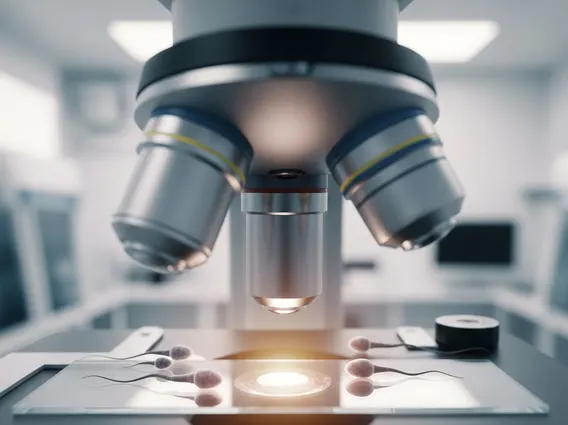
Key Takeaways
- Sperm are the male gametes, responsible for carrying genetic material to fertilize an egg.
- Each Sperm cell consists of a head containing DNA, a midpiece for energy, and a tail for motility.
- Sperm production, known as spermatogenesis, occurs continuously in the testes.
- The primary function of Sperm is to locate and fertilize an ovum, initiating embryonic development.
- Mature Sperm are stored and transported through the male reproductive tract, becoming part of semen during ejaculation.
What is Sperm: Definition and Biology
Sperm refers to the male reproductive cell, also known as a spermatozoon, which is responsible for fertilizing the female ovum (egg). These highly specialized cells are haploid, meaning they carry half the genetic information required to form a new organism. The unique structure of Sperm is optimized for its journey and function, comprising three main parts: the head, midpiece, and tail.
The head of the Sperm contains the nucleus, which houses the male’s genetic material (DNA). Covering the anterior part of the head is the acrosome, a cap-like organelle filled with enzymes vital for penetrating the outer layers of the egg during fertilization. The midpiece, located behind the head, is packed with mitochondria, which generate the energy (ATP) needed to power the tail’s movement. The tail, or flagellum, is a long, whip-like structure that propels the Sperm forward, enabling it to travel through the female reproductive tract. These intricate structures are fundamental aspects of sperm biology facts, highlighting their evolutionary adaptation for reproductive success. On average, a healthy male can produce millions of Sperm cells daily, ensuring a continuous supply for reproductive potential.
Sperm Function and Production
The primary sperm function and purpose is to deliver the male genetic contribution to the female egg, thereby initiating fertilization and the development of an embryo. Upon ejaculation, Sperm embark on a challenging journey through the female reproductive tract, navigating various barriers to reach the fallopian tube where fertilization typically occurs. Only a small fraction of the millions of Sperm released will successfully reach the egg, and usually, only one Sperm cell will fertilize it. This process is critical for sexual reproduction and the continuation of species.
Understanding how sperm is produced involves a complex biological process called spermatogenesis, which occurs within the seminiferous tubules of the testes. This continuous process begins at puberty and typically lasts throughout a man’s life. Spermatogenesis involves several stages, starting with spermatogonia (stem cells) that undergo mitosis and meiosis to differentiate into mature spermatozoa. The entire cycle, from spermatogonium to mature Sperm, takes approximately 64 to 72 days. After their formation in the testes, immature Sperm travel to the epididymis, a coiled tube located on the back of each testis, where they mature and gain motility over several days. From the epididymis, mature Sperm are stored in the vas deferens until ejaculation. During ejaculation, Sperm mix with fluids from the seminal vesicles, prostate gland, and bulbourethral glands to form semen, which provides nourishment and a protective environment for the Sperm on their journey. According to the World Health Organization (WHO), a typical human ejaculate volume ranges from 1.5 mL to 7.6 mL, containing millions of Sperm cells, with a normal concentration often exceeding 15 million sperm per milliliter.