
Soft Palate
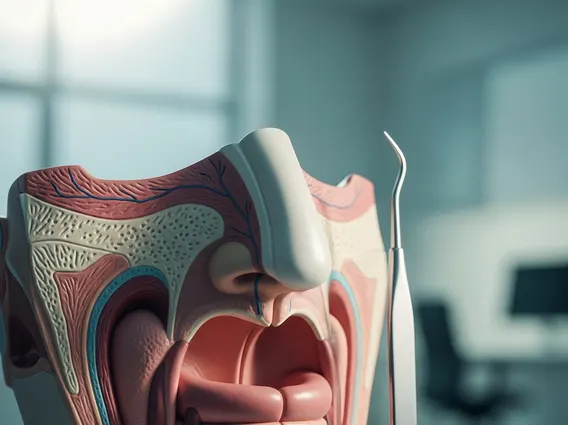
The soft palate is a crucial anatomical structure located at the back of the roof of the mouth, playing a vital role in several essential bodily functions. Understanding its structure and purpose is key to recognizing various conditions that can affect it.
Key Takeaways
- The Soft Palate is a flexible, muscular structure at the rear of the mouth’s roof, essential for swallowing, speech, and breathing.
- It prevents food and liquids from entering the nasal passages during swallowing and helps articulate sounds.
- Common issues include inflammation, pain from irritation or infection, and its involvement in snoring and sleep apnea.
- Symptoms like persistent pain, difficulty swallowing, or changes in speech warrant medical evaluation.
What is the Soft Palate?
The Soft Palate, also known as the velum, refers to the posterior, movable part of the roof of the mouth. Unlike the hard palate, which is bony and rigid, the soft palate is composed of muscle fibers, connective tissue, and mucous membrane, giving it its characteristic flexibility. It extends backward from the hard palate, ending with the uvula, a small, teardrop-shaped projection.
This dynamic structure acts as a critical barrier, separating the oral cavity from the nasal cavity and the oropharynx from the nasopharynx. Its ability to move and change shape is fundamental for various physiological processes, ensuring proper function during eating, speaking, and breathing.
Anatomy and Function of the Soft Palate
The soft palate anatomy and function are intricately linked, involving a complex interplay of muscles that allow for its diverse roles. Five pairs of muscles contribute to its movement: the tensor veli palatini, levator veli palatini, palatoglossus, palatopharyngeus, and musculus uvulae. These muscles enable the soft palate to elevate, depress, and tense, adapting its position as needed.
Its primary functions include:
- Swallowing (Deglutition): During swallowing, the soft palate elevates and retracts, pressing against the posterior pharyngeal wall. This action seals off the nasopharynx, preventing food and liquids from entering the nasal cavity and directing them down the esophagus.
- Speech: The soft palate is crucial for articulating various speech sounds, particularly non-nasal consonants and vowels. By adjusting its position, it modulates airflow through the oral and nasal cavities, allowing for the production of clear and distinct sounds.
- Breathing: While less direct, the soft palate’s position influences airflow during breathing, especially during sleep. Its relaxation can contribute to narrowed airways, leading to snoring.
The coordinated movement of these muscles ensures that the soft palate performs its functions efficiently, maintaining the integrity of the upper aerodigestive tract.
Conditions and Pain Affecting the Soft Palate
The soft palate, being a highly active and exposed structure, can be affected by various conditions, leading to discomfort or impaired function. Conditions of the soft palate range from common irritations to more serious medical issues. Inflammation, known as palatitis, is a frequent occurrence, often caused by infections (viral or bacterial), allergic reactions, or physical irritation from hot foods or sharp objects. Trauma, such as burns or cuts, can also cause acute pain.
Understanding soft palate pain causes and symptoms is important for timely diagnosis and treatment. Common causes of pain include:
- Infections: Viral infections like the common cold or strep throat, as well as bacterial infections, can cause soreness, redness, and swelling.
- Allergies: Allergic reactions can lead to inflammation and itching in the soft palate area.
- Irritation: Consuming very hot or acidic foods, excessive coughing, or even dehydration can irritate the delicate tissues.
- Snoring and Sleep Apnea: The relaxation of the soft palate during sleep can obstruct the airway, leading to snoring and, in more severe cases, obstructive sleep apnea. This can cause dryness and soreness upon waking.
- Canker Sores or Ulcers: Aphthous ulcers can form on the soft palate, causing localized pain.
- Oral Cancers: Although less common, persistent pain, difficulty swallowing, or unexplained lumps on the soft palate could indicate oral or oropharyngeal cancer. Globally, oral and oropharyngeal cancers, which can affect the soft palate, account for over 377,000 new cases and 177,000 deaths annually, as reported by the World Health Organization (WHO).
Symptoms associated with soft palate issues often include a sore throat, difficulty or pain when swallowing (dysphagia), changes in voice, bad breath, or visible redness and swelling. If pain is severe, persistent, or accompanied by other concerning symptoms like unexplained weight loss, difficulty breathing, or a lump, it is crucial to seek medical attention for a proper diagnosis and treatment plan.



















