
Skin Graft
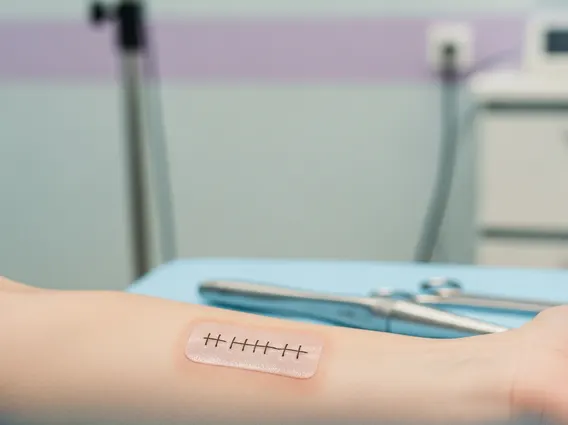
A skin graft is a surgical procedure involving the transplantation of healthy skin from one area of the body to another. This vital medical intervention is typically performed to repair skin damage caused by burns, trauma, infections, or surgical removal of diseased tissue.
Key Takeaways
- A skin graft is a surgical procedure that transplants healthy skin to an injured area.
- It works by establishing new blood supply from the recipient site to the transplanted skin.
- The two main types are split-thickness (thinner, faster healing) and full-thickness (thicker, better cosmetic outcome).
- Recovery time varies, with donor sites healing in weeks and graft sites taking months for full integration.
- Proper post-operative care is crucial for successful graft adherence and healing.
What is a Skin Graft and How Does it Work?
A Skin Graft is a surgical procedure where healthy skin is removed from one part of the body, known as the donor site, and transferred to another area, the recipient site, where skin is missing or damaged. This technique is essential for wound closure when the affected area is too large to be closed by primary suturing or when the surrounding skin is insufficient. The primary goal is to restore the protective barrier of the skin, prevent infection, reduce fluid loss, and promote healing.
The mechanism of how a skin graft works involves several critical steps for successful integration. Once the graft is placed on the recipient site, it initially survives by absorbing nutrients from the underlying wound bed, a process called plasmatic imbibition. Within 24 to 48 hours, new blood vessels from the recipient site begin to grow into the graft, establishing a new blood supply in a process known as revascularization. Over time, nerve endings also grow into the graft, restoring some sensation. For the graft to “take” successfully, it must remain immobile and have good contact with a healthy, well-vascularized wound bed, free from infection and fluid accumulation.
Types of Skin Grafts
There are primarily two main types of skin grafts, each chosen based on the depth of the skin taken from the donor site and the specific needs of the recipient area. The choice of graft type depends on factors such as the size and location of the wound, the desired cosmetic outcome, and the patient’s overall health.
- Split-Thickness Skin Grafts (STSGs): These grafts involve removing the epidermis and a portion of the dermis from the donor site. STSGs are commonly used for large wounds, such as extensive burns, as they can cover larger areas and donor sites heal more quickly. They are often meshed, meaning small slits are made in the graft to allow it to stretch and cover an even larger area, and to allow fluid drainage. While effective for wound closure, STSGs may have a less natural appearance and can contract more than full-thickness grafts.
- Full-Thickness Skin Grafts (FTSGs): FTSGs include the entire epidermis and dermis. These grafts are typically used for smaller, more visible areas, such as the face or hands, where a better cosmetic result is desired. FTSGs tend to shrink less, maintain more of their original color and texture, and offer better protection. However, the donor site for an FTSG must be closed with sutures, and the amount of skin that can be harvested is more limited.
Skin Graft Recovery Time and Care
The skin graft recovery time can vary significantly depending on the type of graft, the size and location of the wound, the patient’s overall health, and adherence to post-operative care instructions. Generally, the initial healing phase for the graft to “take” is about 5 to 7 days, during which the graft is highly vulnerable. Complete integration and maturation of the graft can take several weeks to months, with ongoing improvements in appearance and sensation over a year or more.
Post-operative care is crucial for the success of a skin graft. Patients are typically advised to keep the grafted area elevated and immobile to prevent disruption of the delicate new blood vessels. Dressings are changed regularly, and the graft site is monitored for signs of infection, fluid accumulation, or graft failure. Donor sites, especially for split-thickness grafts, usually heal within 1 to 3 weeks, similar to a superficial abrasion. Patients may experience pain, itching, and sensitivity at both the donor and recipient sites. Physical therapy may be recommended to maintain mobility and prevent contractures, especially if the graft is over a joint. Protecting the grafted skin from sun exposure and trauma is vital for long-term health and appearance.



















