Simple Hysterectomy
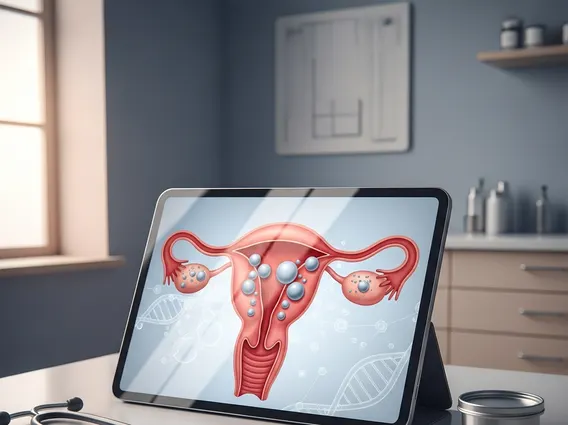
A Simple Hysterectomy is a common surgical procedure involving the removal of the uterus. This operation can significantly improve the quality of life for individuals experiencing various gynecological conditions.
Key Takeaways
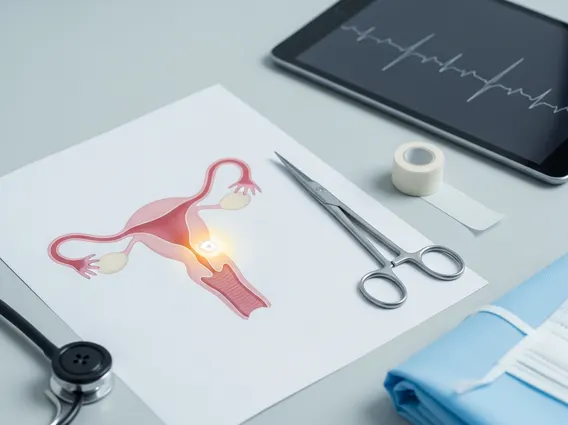
- Simple Hysterectomy is the surgical removal of the uterus, often performed to address benign conditions.
- The procedure can be performed through different approaches, including abdominal, vaginal, or minimally invasive laparoscopic methods.
- Reasons for surgery include fibroids, abnormal uterine bleeding, and certain types of pelvic pain.
- Recovery after Simple Hysterectomy varies but typically involves a hospital stay of a few days and several weeks of recuperation at home.
- Understanding the procedure and recovery process is crucial for informed decision-making and a smooth post-operative experience.
What is Simple Hysterectomy and Why is it Performed?
A Simple Hysterectomy refers to a surgical procedure where the uterus is removed. This procedure is distinct from a radical hysterectomy, which involves the removal of the uterus, cervix, and often surrounding tissues like the upper vagina and lymph nodes, typically for cancer treatment. In a simple hysterectomy, the focus is primarily on the uterus itself, though the cervix may also be removed (total hysterectomy) or left intact (supracervical hysterectomy).
The decision to undergo a simple hysterectomy is made for various benign (non-cancerous) conditions that significantly impact a person’s health and quality of life. Understanding the reasons for simple hysterectomy surgery is important for patients considering this option. Common indications include:
- Uterine Fibroids: Non-cancerous growths in the uterus that can cause heavy bleeding, pain, and pressure.
- Abnormal Uterine Bleeding: Persistent, heavy, or prolonged menstrual bleeding that does not respond to other treatments.
- Endometriosis: A condition where tissue similar to the lining of the uterus grows outside the uterus, causing pain and bleeding.
- Adenomyosis: A condition where the tissue that normally lines the uterus grows into the muscular wall of the uterus, leading to heavy, painful periods.
- Pelvic Organ Prolapse: When pelvic organs, such as the uterus, drop from their normal position.
- Chronic Pelvic Pain: Persistent pain that has not been alleviated by other medical or surgical interventions.
Simple Hysterectomy Procedure Details
The simple hysterectomy procedure details involve several approaches, each with its own benefits and considerations. The choice of surgical method depends on factors such as the size of the uterus, the reason for surgery, the patient’s overall health, and the surgeon’s expertise. The main types of approaches include:
An abdominal hysterectomy involves a larger incision in the abdomen, either horizontally along the bikini line or vertically from the navel to the pubic bone. This approach is often chosen for larger uteri or when other pelvic organs need to be addressed simultaneously. A vaginal hysterectomy is performed through an incision inside the vagina, without any external abdominal incisions, and is typically associated with a quicker recovery. Laparoscopic hysterectomy, a minimally invasive technique, involves several small incisions in the abdomen through which a laparoscope (a thin, lighted tube with a camera) and surgical instruments are inserted. This can be performed as a total laparoscopic hysterectomy (TLH) or a laparoscopically assisted vaginal hysterectomy (LAVH).
During the procedure, the surgeon carefully detaches the uterus from its surrounding ligaments and blood vessels. If the cervix is also removed, it is called a total hysterectomy. If the cervix is left in place, it is a supracervical or subtotal hysterectomy. The ovaries and fallopian tubes may or may not be removed at the same time, depending on the patient’s age, medical history, and specific condition. The entire procedure typically takes between one to three hours, after which the patient is moved to a recovery area.
Recovery After Simple Hysterectomy
Recovery after Simple Hysterectomy is a gradual process that varies among individuals, influenced by the type of surgery performed and the patient’s overall health. Immediately following the surgery, patients typically remain in the hospital for one to three days for pain management and monitoring. During this time, medical staff will assist with early mobilization, which is crucial for preventing complications like blood clots.
Upon discharge, patients are advised to continue a period of rest and limited activity at home. The full recovery period can range from four to six weeks for abdominal hysterectomies and often two to four weeks for vaginal or laparoscopic approaches. During this time, it is important to avoid heavy lifting, strenuous exercise, and sexual intercourse to allow the internal tissues to heal properly. Pain management, often involving prescribed medications, is a key component of early recovery. Patients may experience vaginal bleeding or discharge for several weeks, which is normal as the surgical site heals.
Long-term recovery involves gradually resuming normal activities. Most individuals can return to light work within a few weeks, with a full return to all activities usually by six to eight weeks post-surgery. Regular follow-up appointments with the surgeon are essential to monitor healing and address any concerns. While a hysterectomy ends menstruation and the ability to become pregnant, it can significantly alleviate chronic symptoms, leading to an improved quality of life for many patients.