Signaling Pathway
A Signaling Pathway is a fundamental biological process that enables cells to communicate with each other and respond to changes in their environment. This intricate network of molecular interactions is crucial for coordinating cellular activities, maintaining tissue homeostasis, and ensuring the proper functioning of an entire organism.
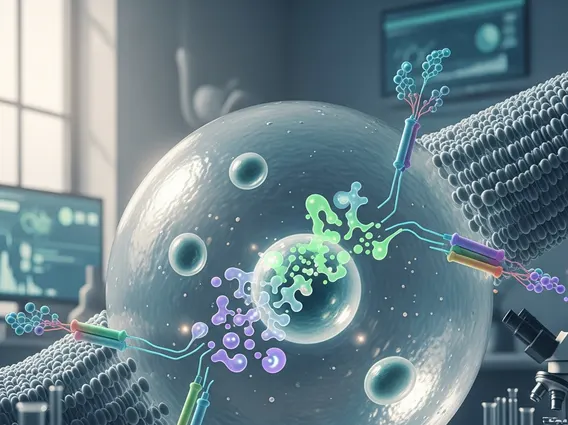
Key Takeaways
- A Signaling Pathway is a series of molecular events that transmit information from outside to inside a cell.
- These pathways involve reception of a signal, its transduction through the cell, and a subsequent cellular response.
- Signaling pathways are categorized by the distance a signal travels, including endocrine, paracrine, autocrine, and direct contact.
- They are vital for processes like cell growth, differentiation, metabolism, and immune responses.
- Dysregulation in these pathways is a hallmark of many diseases, including cancer and metabolic disorders.
What is a Signaling Pathway?
A Signaling Pathway refers to a complex series of molecular events within a cell that occur in response to a specific stimulus from its external or internal environment. These pathways act as the cell’s communication system, allowing it to receive, process, and respond to information. Essentially, they convert an extracellular signal into an intracellular response, orchestrating a wide array of cellular functions. This process ensures that cells can adapt to changing conditions, coordinate with neighboring cells, and maintain overall physiological balance.
The components of a signaling pathway typically include receptors that bind to signaling molecules (ligands), intracellular relay molecules, and effector proteins that carry out the final cellular response. The precise sequence and interaction of these molecules determine the specificity and outcome of the cellular response, which can range from changes in gene expression and metabolism to cell division or programmed cell death.
How Cell Signaling Pathways Work
Cellular communication, essential for organismal function, relies on the precise mechanisms by which signaling pathways operate. These pathways typically involve three main stages: reception, transduction, and cellular response. Each stage is critical for accurately relaying information and eliciting the appropriate biological outcome.
- Reception: This initial step involves the binding of an extracellular signaling molecule (ligand) to a specific receptor protein located on the cell surface or inside the cell. The binding causes the receptor to change shape, activating it and initiating the signaling process.
- Transduction: Once activated, the receptor triggers a cascade of molecular interactions within the cell. This often involves a series of relay molecules, which can amplify the signal and distribute it to various parts of the cell. Common transduction mechanisms include phosphorylation cascades, where protein kinases add phosphate groups to other proteins, and second messenger systems, which involve small, non-protein molecules like cAMP or calcium ions.
- Response: The transduced signal ultimately leads to a specific cellular response. This can manifest in various ways, such as changes in gene expression (leading to protein synthesis), activation or inactivation of enzymes, alterations in cell shape or movement, or even the initiation of cell division or apoptosis (programmed cell death).
The intricate coordination of these stages ensures that cells can precisely interpret and react to a vast array of signals, from hormones and growth factors to neurotransmitters and environmental cues.
Types and Importance of Signaling Pathways
Diverse types of cell signaling pathways exist, each adapted to specific communication needs based on the distance the signal travels. These include:
- Endocrine Signaling: Long-distance signaling where hormones are released into the bloodstream and travel to target cells throughout the body.
- Paracrine Signaling: Local signaling where cells secrete signaling molecules that act on nearby target cells.
- Autocrine Signaling: A cell secretes signaling molecules that bind to its own receptors, affecting itself.
- Direct Contact Signaling: Cells communicate through direct physical contact, often via gap junctions in animal cells or plasmodesmata in plant cells, or through cell-surface receptors.
The importance of signaling pathways is profound, underpinning fundamental biological processes vital for life. They regulate cell growth, differentiation, metabolism, immune responses, and tissue repair. For example, insulin signaling pathways regulate glucose uptake, while immune cell signaling pathways coordinate responses to pathogens. Dysregulation of these pathways is a hallmark of numerous diseases. Non-communicable diseases (NCDs), which are often characterized by cellular dysfunction and disrupted signaling, account for a significant global health burden, killing 41 million people each year, equivalent to 74% of all deaths globally, according to the World Health Organization (WHO, 2021).
Understanding these pathways is therefore critical for developing new therapeutic strategies for conditions such as cancer, diabetes, neurodegenerative disorders, and autoimmune diseases. By targeting specific components of these pathways, researchers aim to restore normal cellular function and combat disease progression.