
Serous Membrane
Serous membranes are vital biological tissues that line various body cavities and cover the organs within them. These specialized membranes play a crucial role in protecting internal organs and facilitating their movement.
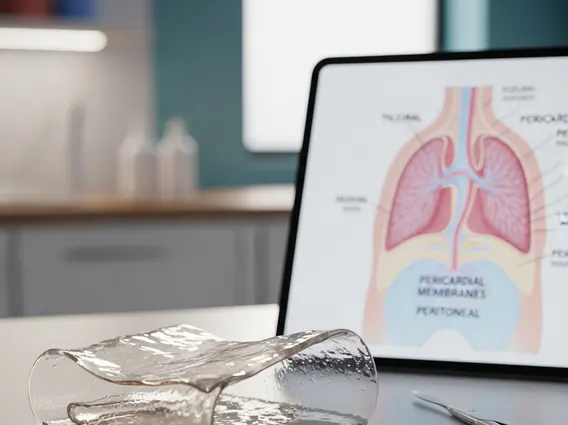
Key Takeaways
- Serous membranes are thin, double-layered tissues that line closed body cavities and cover organs.
- They produce serous fluid, which acts as a lubricant to reduce friction between moving organs.
- Key locations include the thoracic cavity (lungs, heart) and the abdominopelvic cavity (abdominal organs).
- The three primary types are the pleura (lungs), pericardium (heart), and peritoneum (abdominal organs).
- Their primary function is to allow organs to move smoothly and prevent damage from friction.
What is a Serous Membrane?
A serous membrane is a thin, slippery, double-layered tissue that lines internal body cavities and covers the outer surfaces of organs within those cavities. These membranes are unique because they are not open to the outside environment, unlike mucous membranes. Each serous membrane consists of two main layers: the parietal layer, which lines the cavity wall, and the visceral layer, which adheres directly to the organ’s surface. Between these two layers lies a potential space called the serous cavity, which contains a small amount of lubricating serous fluid. This fluid is crucial for reducing friction between the moving organs and the cavity walls, allowing for smooth, unhindered movement. For instance, the constant beating of the heart or the expansion and contraction of the lungs would otherwise generate significant friction, leading to damage. The serous membrane definition and examples highlight their fundamental role in anatomical protection and functional efficiency.
Serous Membrane Function and Location
The primary serous membrane function and location are intrinsically linked to their protective and lubricating roles. The main function of serous membranes is to secrete serous fluid, a watery, protein-rich fluid that acts as a lubricant. This fluid minimizes friction between the visceral and parietal layers, enabling organs to slide past each other smoothly during their normal physiological activities. Without this lubrication, the constant movement of organs like the heart, lungs, and intestines would cause abrasive damage and inflammation.
Serous membranes are strategically located in three main closed cavities of the human body:
- The thoracic cavity, housing the lungs and heart.
- The pericardial cavity, specifically surrounding the heart within the thoracic cavity.
- The abdominopelvic cavity, containing most of the digestive, urinary, and reproductive organs.
This strategic placement ensures that vital organs are cushioned and protected from mechanical stress, allowing them to operate efficiently without interference from surrounding structures.
Types of Serous Membranes
The human body features three principal types of serous membranes in human body, each named according to its specific location and the organs it envelops:
- Pleura: These membranes surround the lungs within the thoracic cavity. The parietal pleura lines the chest wall, while the visceral pleura covers the surface of each lung. The pleural cavity, filled with pleural fluid, facilitates the smooth expansion and contraction of the lungs during respiration.
- Pericardium: This serous membrane encloses the heart. The fibrous pericardium is the tough outer sac, while the serous pericardium has a parietal layer lining the fibrous sac and a visceral layer (epicardium) covering the heart’s surface. The pericardial cavity, containing pericardial fluid, allows the heart to beat continuously without friction against surrounding structures.
- Peritoneum: Found within the abdominopelvic cavity, the peritoneum is the largest serous membrane. The parietal peritoneum lines the abdominal wall, and the visceral peritoneum covers the abdominal organs such as the stomach, intestines, and liver. The peritoneal cavity contains peritoneal fluid, which lubricates these organs, allowing them to shift and move during digestion and other processes. The peritoneum also plays a role in supporting organs and storing fat.



















