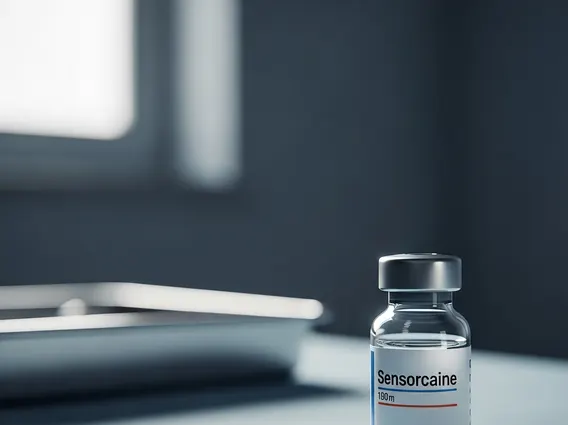
Sensorcaine
Sensorcaine is a widely recognized local anesthetic used in various medical settings to provide temporary numbness and pain relief. It belongs to a class of medications known as amide-type local anesthetics, crucial for managing pain during surgical procedures and other medical interventions.
What is Cancer
- Sensorcaine is a local anesthetic that blocks nerve signals to prevent pain.
- It is primarily used for local or regional anesthesia during surgery, labor, and for chronic pain management.
- Common side effects include numbness and tingling, while more serious effects are rare but possible.
- Dosage is highly individualized, depending on the procedure and patient characteristics, and must be administered by a healthcare professional.
What is Sensorcaine: Mechanism of Action
Sensorcaine is the brand name for bupivacaine, an amide-type local anesthetic. It works by reversibly blocking the transmission of nerve impulses, thereby preventing pain signals from reaching the brain. This action occurs by stabilizing the neuronal membrane and inhibiting the ionic fluxes required for the initiation and conduction of impulses, primarily by blocking sodium channels.
The mechanism of action explains how Sensorcaine works to provide effective pain relief. When administered, it infiltrates the nerve fibers, temporarily stopping the electrical signals that communicate pain. This results in localized numbness and loss of sensation in the targeted area, allowing patients to undergo procedures with minimal discomfort. Its effects are temporary, gradually wearing off as the body metabolizes the drug.
What is Sensorcaine Used For?
Sensorcaine is a versatile local anesthetic with numerous applications in medicine. What is Sensorcaine used for primarily involves providing local or regional anesthesia for surgical, diagnostic, and therapeutic procedures. Its long-acting properties make it particularly suitable for procedures where prolonged pain control is necessary.
Common uses for Sensorcaine include:
- Surgical Procedures: Used for local infiltration, peripheral nerve blocks, and epidural or spinal anesthesia during various surgeries.
- Obstetrics: Frequently employed for epidural anesthesia during labor and delivery to manage pain.
- Post-operative Pain Management: Administered to provide extended pain relief after surgery, reducing the need for systemic opioids.
- Chronic Pain Management: Utilized in nerve blocks for patients suffering from chronic pain conditions.
- Dental Procedures: Occasionally used in dentistry for prolonged local anesthesia.
According to data from the World Health Organization (WHO), local anesthetics like bupivacaine are essential medicines, playing a critical role in safe surgical practices globally by enabling pain-free interventions and reducing patient suffering.
Sensorcaine Side Effects and Dosage Information
Like all medications, Sensorcaine can cause side effects, although not everyone experiences them. Understanding Sensorcaine side effects is crucial for both patients and healthcare providers. Common side effects are generally mild and localized to the injection site, including numbness, tingling, weakness, and a feeling of heaviness. These are typically temporary and resolve as the anesthetic wears off.
More serious, though rare, side effects can occur, especially if the medication is absorbed systemically or administered incorrectly. These may include:
- Cardiovascular effects: Bradycardia, hypotension, or cardiac arrest.
- Central Nervous System (CNS) effects: Dizziness, lightheadedness, tremors, seizures, or confusion.
- Allergic reactions: Rash, itching, swelling, or difficulty breathing.
Regarding Sensorcaine dosage information, it is highly individualized and determined by a healthcare professional based on several factors. These include the type and duration of the procedure, the area to be anesthetized, the patient’s weight, age, and overall health status. Sensorcaine is available in various concentrations and formulations, and the precise dose is carefully calculated to achieve the desired anesthetic effect while minimizing the risk of adverse reactions. It is critical that Sensorcaine is administered only by trained medical personnel in a controlled clinical environment.