
Sclerosing Epithelioid Fibrosarcoma
Sclerosing Epithelioid Fibrosarcoma is a rare and aggressive form of soft tissue sarcoma, a type of cancer that originates in the connective tissues of the body. Understanding this condition is crucial for early detection and effective management.
Key Takeaways
- Sclerosing Epithelioid Fibrosarcoma is a rare, slow-growing, but aggressive soft tissue cancer.
- It often presents as a painless mass, with symptoms varying based on its location in the body.
- Diagnosis relies heavily on imaging studies and a definitive biopsy with specialized pathological analysis.
- Treatment primarily involves surgical removal, often supplemented by radiation therapy and sometimes chemotherapy.
- A multidisciplinary team approach is essential for managing this complex disease.
What is Sclerosing Epithelioid Fibrosarcoma?
Sclerosing Epithelioid Fibrosarcoma is a distinct and uncommon subtype of soft tissue sarcoma, characterized by its unique microscopic features. It typically presents as a firm, slow-growing mass, often deep-seated within the soft tissues, though it can occur in various parts of the body, including the limbs, trunk, and head and neck region. This tumor is known for its epithelioid cell morphology (cells resembling epithelial cells) and a prominent sclerotic (hard, fibrous) stroma. While it tends to grow slowly, it has a significant potential for local recurrence and distant metastasis, making it a challenging cancer to manage. Its rarity means that comprehensive data on its exact incidence is limited, but it is recognized as a high-grade malignancy requiring careful attention.
Symptoms and Diagnosis of Sclerosing Epithelioid Fibrosarcoma
The presentation of sclerosing epithelioid fibrosarcoma symptoms can vary widely depending on the tumor’s size and location. Often, the initial symptom is a painless lump or swelling that gradually increases in size. If the tumor grows large enough or presses on nerves, blood vessels, or organs, it may cause pain, numbness, weakness, or impaired function in the affected area. For instance, a tumor in a limb might cause difficulty with movement, while one in the abdomen could lead to digestive issues.
The definitive sclerosing epithelioid fibrosarcoma diagnosis typically involves a combination of imaging and pathological examination. Initial evaluation often includes:
- Imaging Studies: Magnetic Resonance Imaging (MRI) is usually the preferred method for assessing soft tissue tumors, providing detailed information about the tumor’s size, location, and relationship to surrounding structures. Computed Tomography (CT) scans may also be used, especially for evaluating potential spread to the lungs or other distant sites.
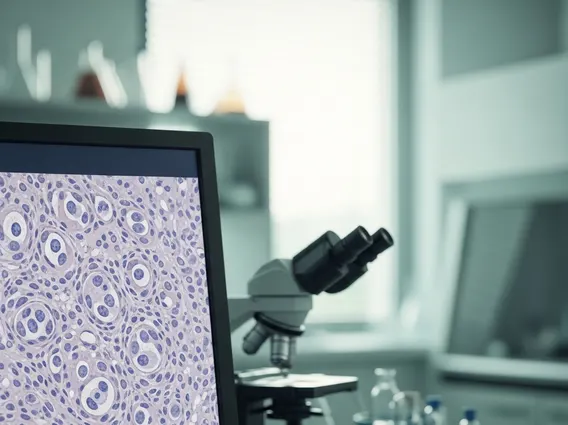
- Biopsy: A core needle biopsy or excisional biopsy is crucial for obtaining tissue for microscopic examination. Pathologists then analyze the tissue, often using immunohistochemical staining, to confirm the diagnosis and differentiate it from other types of sarcomas or benign conditions. This step is vital due to the tumor’s unique cellular characteristics.
Treatment for Sclerosing Epithelioid Fibrosarcoma
The primary approach to sclerosing epithelioid fibrosarcoma treatment is surgical removal. The goal of surgery is to achieve wide, clear margins, meaning the entire tumor is removed along with a surrounding rim of healthy tissue, to minimize the risk of local recurrence. Given the aggressive nature of this sarcoma, a multidisciplinary team of specialists, including surgical oncologists, radiation oncologists, and medical oncologists, typically collaborates to develop a comprehensive treatment plan.
Adjuvant therapies may be considered depending on the tumor’s size, grade, and whether it has spread:
- Radiation Therapy: This may be administered before (neoadjuvant) or after (adjuvant) surgery to reduce the risk of local recurrence, particularly for large tumors or those with close surgical margins.
- Chemotherapy: The role of chemotherapy in sclerosing epithelioid fibrosarcoma is less clear compared to other sarcomas, but it may be considered for patients with metastatic disease or those at high risk of recurrence, though its effectiveness can vary.
Ongoing surveillance with regular follow-up imaging is essential after treatment to monitor for any signs of recurrence or metastasis, allowing for prompt intervention if the disease returns.



















