Schwann Cell
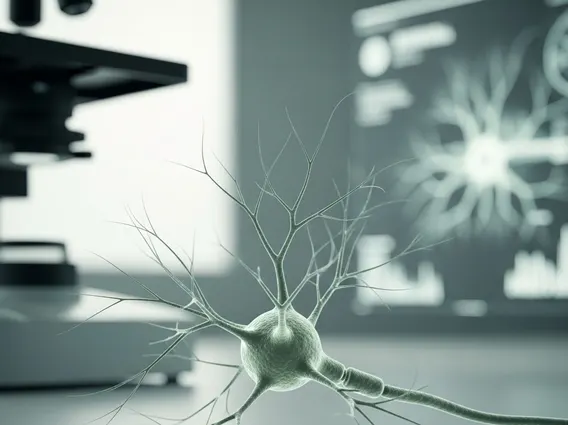
A Schwann Cell is a vital type of glial cell found exclusively in the peripheral nervous system (PNS), playing a critical role in the maintenance and regeneration of nerve fibers. These cells are essential for the proper functioning of the body’s communication network outside the brain and spinal cord.
Key Takeaways
- Schwann Cells are glial cells in the peripheral nervous system that provide support and insulation to nerve fibers.
- Their primary function is the formation of the myelin sheath around axons, a process known as myelination, which significantly speeds up nerve impulse transmission.
- Beyond myelination, Schwann Cells also assist in nerve regeneration after injury and support unmyelinated axons.
- Dysfunction or damage to Schwann Cells is implicated in various neurological conditions, including autoimmune disorders and hereditary neuropathies.
What is a Schwann Cell?
A Schwann Cell refers to a neuroglial cell that is a fundamental component of the peripheral nervous system (PNS). Unlike oligodendrocytes, which perform a similar function in the central nervous system (CNS), Schwann Cells are dedicated to supporting and insulating peripheral axons. They originate from the neural crest and are crucial for the development, maintenance, and repair of peripheral nerves. Each Schwann Cell typically associates with a single axon, either by wrapping it in a myelin sheath or by enveloping multiple unmyelinated axons.
These cells are named after German physiologist Theodor Schwann, who first described them. Their unique structure and function enable the efficient transmission of electrical signals throughout the body, facilitating communication between the CNS and the rest of the body, including muscles, organs, and sensory receptors.
Schwann Cell Function and Myelination
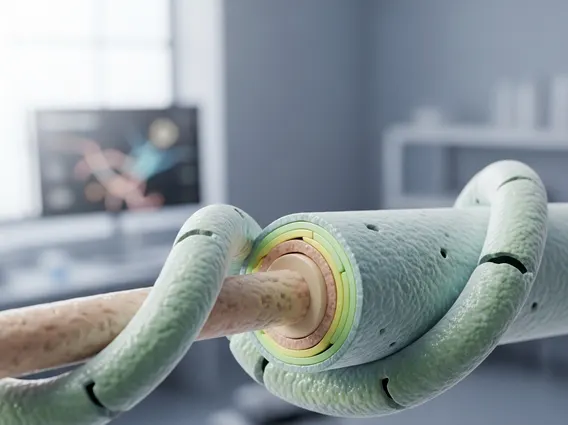
The primary schwann cell function is the formation of the myelin sheath, a fatty layer that insulates axons and significantly increases the speed of electrical impulse conduction. This process is known as schwann cell myelination process. During myelination, a single Schwann Cell wraps itself repeatedly around a segment of a peripheral axon, creating multiple layers of membrane that form the myelin sheath. Gaps between these myelinated segments are called Nodes of Ranvier, which are critical for saltatory conduction, allowing nerve impulses to “jump” from node to node, thereby accelerating signal transmission.
Beyond myelination, Schwann Cells perform several other vital roles:
- Support for Unmyelinated Axons: Non-myelinating Schwann Cells envelop multiple unmyelinated axons, providing metabolic support and protection without forming a myelin sheath.
- Nerve Regeneration: Following peripheral nerve injury, Schwann Cells play a crucial role in regeneration. They form a conduit that guides the regenerating axon sprout and secrete neurotrophic factors that promote axonal regrowth and survival.
- Waste Removal: They assist in clearing cellular debris after nerve damage, preparing the environment for repair.
- Immune Modulation: Schwann Cells can interact with immune cells and modulate inflammatory responses in the peripheral nervous system.
Schwann Cell-Related Diseases and Disorders
Dysfunction or damage to Schwann Cells can lead to a range of debilitating neurological conditions, collectively known as schwann cell diseases and disorders. These conditions often manifest as neuropathies, affecting sensation, movement, and autonomic functions. Understanding the role of Schwann Cells in these diseases is crucial for diagnosis and the development of targeted therapies.
Some prominent examples include:
| Disorder | Description | Impact on Schwann Cells |
|---|---|---|
| Guillain-Barré Syndrome (GBS) | An acute, autoimmune disorder where the body’s immune system attacks its own peripheral nerves. | Often involves the immune system targeting and damaging the myelin sheath formed by Schwann Cells, leading to rapid onset muscle weakness and paralysis. The CDC estimates 3,000 to 6,000 people develop GBS each year in the United States. |
| Charcot-Marie-Tooth Disease (CMT) | A group of inherited neurological disorders that affect the peripheral nerves, leading to muscle weakness and sensory loss. | Many forms of CMT are caused by genetic mutations that directly affect Schwann Cell function or myelin formation, resulting in demyelination or axonal degeneration. The NIH reports CMT affects approximately 1 in 2,500 people in the United States. |
| Neurofibromatosis Type 1 (NF1) | A genetic disorder that causes tumors to grow on nerve tissue, including Schwann Cells. | Benign tumors called neurofibromas, which are often composed of Schwann Cells, fibroblasts, and other cell types, develop along peripheral nerves. |
Research into these conditions continues to advance our understanding of Schwann Cell biology and potential therapeutic interventions aimed at protecting or restoring their function.