Sbrt
Stereotactic Body Radiation Therapy (SBRT) is an advanced form of radiation treatment that delivers highly precise and intense doses of radiation to tumors, often in fewer sessions than conventional radiation therapy. This non-invasive approach is a significant advancement in oncology, offering targeted treatment for various cancers.
Key Takeaways
- Stereotactic Body Radiation Therapy (SBRT) is a highly precise radiation treatment that targets tumors with intense radiation doses.
- It uses advanced imaging to accurately locate tumors and deliver radiation from multiple angles, minimizing damage to healthy tissues.
- SBRT is effective for treating small, early-stage tumors and metastatic lesions in areas like the lung, liver, spine, and prostate.
- The treatment typically involves fewer sessions compared to traditional radiation therapy.
- While generally well-tolerated, potential side effects are usually localized and depend on the treated area, dose, and individual patient factors.
What is SBRT (Stereotactic Body Radiation Therapy)?
Stereotactic Body Radiation Therapy (SBRT) is a specialized and highly precise form of external beam radiation therapy. It is designed to deliver very high doses of radiation to a tumor while minimizing the dose to surrounding healthy tissues and organs. This precision is achieved through sophisticated imaging guidance and treatment planning systems that accurately pinpoint the tumor’s exact location and shape.
Unlike conventional radiation therapy, which typically involves many smaller daily doses over several weeks, SBRT delivers a much higher dose per treatment, often completing the entire course in just one to five sessions. This concentrated approach makes it a potent tool in the fight against cancer, particularly for patients who may not be candidates for surgery or those seeking a less invasive option.
How Does SBRT Work and What Conditions Does It Treat?
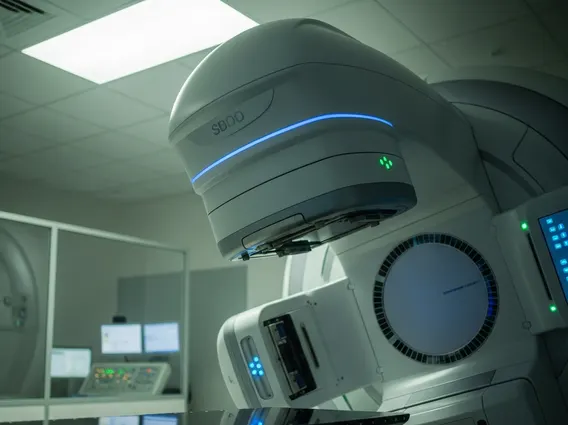
SBRT works by utilizing advanced imaging techniques, such as CT, MRI, and PET scans, to create a detailed, three-dimensional map of the tumor. This allows radiation oncologists to precisely define the tumor’s boundaries and plan the radiation beams to conform tightly to its shape. During treatment, the patient is carefully positioned, and the radiation delivery system moves around the body, delivering highly focused beams of radiation from various angles. This multi-angle approach ensures that the tumor receives a high, uniform dose, while the radiation passing through healthy tissue is spread out and minimized.
The primary application of SBRT is for the SBRT treatment for cancer, particularly for small, well-defined tumors or metastatic lesions. It has shown significant efficacy in treating various cancers, including:
- Early-stage non-small cell lung cancer
- Liver metastases or primary liver cancer
- Spinal tumors (primary or metastatic)
- Prostate cancer
- Kidney cancer
- Pancreatic cancer
The non-invasive nature and high precision of SBRT make it an attractive option for patients who might otherwise face complex surgical procedures or for those with tumors in difficult-to-reach locations.
Potential SBRT Side Effects and Risks
While SBRT is known for its precision and ability to spare healthy tissue, patients may still experience certain SBRT side effects and risks. The type and severity of these side effects depend largely on the treated area, the total radiation dose, and individual patient factors. Generally, side effects are localized to the treated region and tend to be less severe than those associated with conventional radiation therapy due to the highly targeted nature of SBRT.
Common general side effects can include fatigue and mild skin irritation or redness at the treatment site. More specific side effects vary by the organ being treated:
- Lung SBRT: May cause a temporary cough, shortness of breath, or inflammation of the lung tissue (pneumonitis).
- Liver SBRT: Can lead to fatigue, nausea, or changes in liver function tests.
- Spinal SBRT: Patients might experience a temporary increase in pain in the treated area, or rarely, nerve irritation.
- Prostate SBRT: Possible side effects include increased urinary frequency or urgency, or temporary rectal irritation.
Most side effects are temporary and resolve within weeks or months after treatment. Patients are closely monitored by their medical team, and supportive care is provided to manage any discomfort. Serious complications are rare but can occur, emphasizing the importance of discussing all potential risks and benefits with a radiation oncologist.