
Proximal Colon
The colon, or large intestine, plays a crucial role in the digestive system, primarily responsible for processing waste material. Within this vital organ, the Proximal Colon holds distinct anatomical and functional characteristics that are essential for overall gut health.
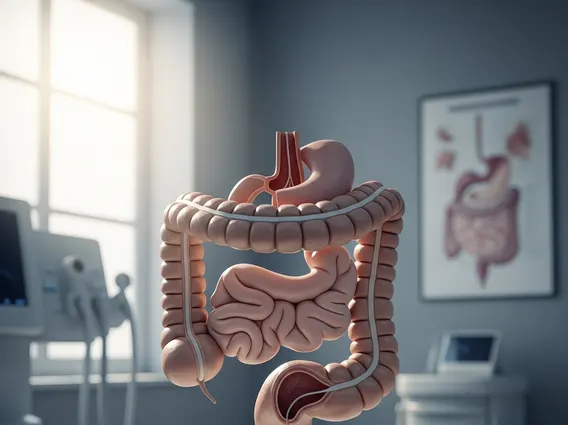
Key Takeaways
- The Proximal Colon is the initial segment of the large intestine, comprising the cecum, ascending colon, and proximal transverse colon.
- Its primary functions include significant absorption of water, electrolytes, and some remaining nutrients.
- It is also a site for microbial fermentation of indigestible food components.
- Distinct from the distal colon, the proximal colon has different embryological origins, vascular supply, and physiological roles.
- Understanding the Proximal Colon is vital for diagnosing and treating various gastrointestinal conditions.
What is the Proximal Colon?
The Proximal Colon refers to the first section of the large intestine, extending from the ileocecal valve to approximately the middle of the transverse colon. This crucial segment plays a significant role in the final stages of digestion, primarily focusing on the absorption of water and electrolytes from the remaining indigestible food matter. It is a highly active site for microbial fermentation, where beneficial bacteria break down complex carbohydrates that were not digested in the small intestine. This process contributes to the production of short-chain fatty acids, which are important energy sources for colon cells and have broader systemic health benefits.
Proximal Colon Anatomy and Function
The proximal colon anatomy includes several distinct parts: the cecum, the ascending colon, and the right (proximal) two-thirds of the transverse colon. The cecum is a blind-ended pouch that receives chyme from the small intestine via the ileocecal valve. From the cecum, the ascending colon travels upwards on the right side of the abdominal cavity, turning at the hepatic flexure to become the transverse colon. The function of proximal colon is multifaceted, primarily centered around processing the liquid contents received from the small intestine into more solid stool.
Key functions include:
- Water Absorption: A significant amount of water is absorbed here, concentrating the fecal matter.
- Electrolyte Absorption: Electrolytes like sodium and chloride are actively absorbed, maintaining the body’s fluid balance.
- Nutrient Absorption: While most nutrient absorption occurs in the small intestine, some vitamins (especially K and B vitamins produced by gut bacteria) and short-chain fatty acids are absorbed in the proximal colon.
- Microbial Fermentation: The dense microbial population ferments undigested carbohydrates, producing gases and beneficial short-chain fatty acids.
According to the Centers for Disease Control and Prevention (CDC), maintaining a healthy colon, including the proximal segment, is crucial for preventing conditions like colorectal cancer, which is the third most common cancer diagnosed in both men and women in the United States.
Proximal vs. Distal Colon: Key Differences
The large intestine is often divided into the proximal and distal colon due to their distinct embryological origins, anatomical features, and physiological roles. Understanding the differences between the proximal colon vs distal colon is important for clinical diagnosis and treatment strategies.
Here is a comparison of their key characteristics:
| Feature | Proximal Colon | Distal Colon |
|---|---|---|
| Embryological Origin | Midgut | Hindgut |
| Anatomical Segments | Cecum, ascending colon, proximal transverse colon | Distal transverse colon, descending colon, sigmoid colon, rectum |
| Primary Function | Water and electrolyte absorption, microbial fermentation, short-chain fatty acid production | Water absorption, stool storage, propulsion towards rectum |
| Fecal Consistency | Liquid to semi-solid | Semi-solid to solid |
| Vascular Supply | Superior Mesenteric Artery (SMA) | Inferior Mesenteric Artery (IMA) |
The proximal colon is generally wider in diameter and has a thinner muscular wall compared to the distal colon. Its primary role in absorption and fermentation means it handles a more liquid content, while the distal colon is more involved in compacting and storing stool before elimination. These differences also influence the types of diseases that commonly affect each segment, with certain conditions showing a predilection for either the proximal or distal colon.



















