Prevention Tips for Renal Cell Carcinoma
Renal cell carcinoma prevention involves a comprehensive approach, focusing on lifestyle choices, managing health conditions, and minimizing environmental exposures. By understanding and addressing key risk factors, individuals can significantly reduce their likelihood of developing this form of kidney cancer.
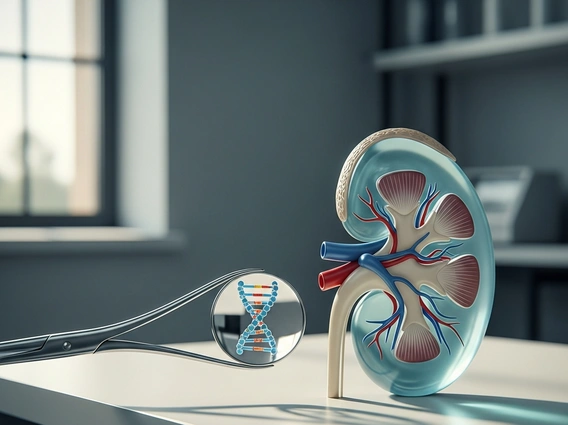
Key Takeaways
- Adopting a healthy lifestyle, including a balanced diet and regular exercise, is fundamental for kidney cancer prevention tips.
- Quitting smoking and limiting alcohol consumption are critical steps to lower the risk of renal cell carcinoma.
- Effective management of chronic conditions like high blood pressure and diabetes plays a vital role in reducing risk of kidney cancer.
- Minimizing exposure to harmful chemicals both at home and in the workplace is an important preventative measure for kidney cancer.
- Regular medical check-ups and awareness of potential symptoms are crucial for early detection renal cell carcinoma prevention.
Effective Strategies for Renal Cell Carcinoma Prevention
Preventing renal cell carcinoma (RCC), the most common type of kidney cancer, involves a proactive approach that addresses modifiable risk factors. While some risk factors, such as genetics, are beyond our control, a significant portion of cases can be influenced by lifestyle and environmental choices. Implementing effective strategies for renal cell carcinoma prevention not only lowers the risk of kidney cancer but also contributes to overall health and well-being. Understanding how to prevent renal cell carcinoma requires a multi-faceted strategy that combines healthy habits with vigilant health management. These preventative measures for kidney cancer are designed to mitigate the factors known to contribute to its development, thereby reducing risk of kidney cancer for individuals.
The global incidence of kidney cancer has been steadily rising, making prevention efforts more crucial than ever. According to the World Health Organization (WHO), kidney cancer is among the top 10 most common cancers worldwide. By focusing on actionable steps, individuals can empower themselves to take control of their health and significantly decrease their susceptibility to this disease.
Lifestyle Modifications to Lower Kidney Cancer Risk
Lifestyle choices play a pivotal role in determining an individual’s risk of developing renal cell carcinoma. Adopting a healthy lifestyle to prevent renal cancer is one of the most impactful strategies available. These modifications extend beyond general wellness, directly targeting known risk factors for kidney cancer.
Adopting a Balanced Diet
A balanced and nutritious diet is a cornerstone of kidney cancer prevention tips. Consuming a diet rich in fruits, vegetables, and whole grains can provide essential antioxidants and fiber, which may protect against cellular damage that leads to cancer. Conversely, diets high in processed foods, red meat, and sugary beverages have been linked to an increased risk of various cancers, including RCC. Maintaining a healthy weight through diet and regular physical activity is also crucial, as obesity is a significant risk factor for RCC. Studies, including those cited by the American Institute for Cancer Research (AICR), consistently show that maintaining a healthy body weight can significantly reduce cancer risk, including that of kidney cancer. Aim for a variety of colorful produce daily and limit saturated fats and cholesterol.
Avoiding Smoking and Excessive Alcohol
Smoking is one of the most significant and preventable risk factors for renal cell carcinoma. Tobacco smoke contains numerous carcinogens that can damage kidney cells, leading to cancerous changes. According to the American Cancer Society (ACS), smoking can double the risk of developing kidney cancer, accounting for approximately 20% of all kidney cancer cases. Quitting smoking is arguably the single most effective step an individual can take to reduce their risk. Similarly, excessive alcohol consumption has been associated with an increased risk of various cancers, including kidney cancer. While the link is not as strong as with smoking, limiting alcohol intake to moderate levels (up to one drink per day for women and two for men) is another important component of a healthy lifestyle to prevent renal cancer. These choices are fundamental in any discussion about how to prevent renal cell carcinoma.
Managing Underlying Health Conditions
Certain chronic health conditions can elevate the risk of renal cell carcinoma. Proactive management of these conditions is therefore an essential part of renal cell carcinoma prevention strategies, helping to mitigate their impact on kidney health.
Controlling High Blood Pressure
Chronic high blood pressure, or hypertension, is a well-established risk factor for renal cell carcinoma. The exact mechanism is not fully understood, but it is believed that hypertension can lead to kidney damage over time, making cells more susceptible to cancerous changes. Effective management of high blood pressure through medication, dietary changes (such as reducing sodium intake), and regular exercise is crucial. Regular monitoring of blood pressure and adherence to a physician’s treatment plan are vital steps in reducing risk of kidney cancer associated with hypertension. This proactive approach is a key aspect of preventative measures for kidney cancer.
Diabetes Management
Diabetes, particularly type 2 diabetes, has also been linked to an increased risk of renal cell carcinoma. The chronic inflammation and metabolic changes associated with diabetes are thought to contribute to cancer development. Maintaining stable blood sugar levels through diet, exercise, and prescribed medications is paramount for individuals with diabetes. Regular check-ups with healthcare providers to monitor and manage diabetes can significantly reduce the risk of associated complications, including kidney cancer. By diligently managing diabetes, individuals are actively participating in renal cell carcinoma prevention, thereby safeguarding their kidney health.
Minimizing Environmental and Occupational Exposures
Exposure to certain environmental toxins and occupational hazards can significantly increase the risk of renal cell carcinoma. Identifying and minimizing these exposures are critical components of a comprehensive renal cell carcinoma prevention strategy.
Avoiding Harmful Chemicals
Several chemicals have been identified as potential carcinogens linked to kidney cancer. These include trichloroethylene (TCE), a solvent used in various industrial processes, and cadmium, a heavy metal found in industrial emissions and cigarette smoke. Other chemicals, such as certain herbicides and pesticides, may also pose a risk. Individuals should be mindful of chemical exposure in their daily lives, opting for safer alternatives when possible. Reading product labels, ensuring proper ventilation when using household chemicals, and disposing of hazardous materials correctly are important kidney cancer prevention tips. Awareness and caution are key to reducing risk of kidney cancer from environmental sources.
Safe Practices in the Workplace
For individuals working in industries where exposure to known carcinogens is a risk, implementing and adhering to strict safety protocols is essential. This includes using appropriate personal protective equipment (PPE), such as respirators and gloves, and ensuring adequate ventilation in work areas. Employers have a responsibility to provide a safe working environment and to educate employees about potential hazards. Regular health screenings for workers exposed to specific chemicals can also aid in early detection. These safe practices are crucial preventative measures for kidney cancer, especially for those in high-risk occupations, contributing significantly to overall renal cell carcinoma prevention efforts.
The Importance of Early Detection and Screening
While prevention focuses on reducing risk factors, early detection renal cell carcinoma prevention emphasizes identifying the disease at its earliest, most treatable stages. Since RCC often presents with no symptoms in its early phases, regular medical attention and awareness are vital.
Regular Medical Check-ups
Routine physical examinations and regular medical check-ups are fundamental for overall health monitoring and can sometimes lead to the incidental discovery of kidney abnormalities. Although there are no universal screening guidelines for RCC in the general population, these check-ups allow healthcare providers to assess general health, monitor risk factors, and order diagnostic tests if concerns arise. For individuals with a strong family history of kidney cancer or certain genetic syndromes, more targeted screening might be recommended. Discussing your personal and family medical history with your doctor is crucial to determine the most appropriate screening schedule and how to prevent renal cell carcinoma through vigilance.
Recognizing Potential Symptoms
Being aware of potential symptoms of renal cell carcinoma is critical for timely diagnosis. While many symptoms are non-specific and can be attributed to other conditions, persistent or concerning signs warrant immediate medical evaluation. Common symptoms to watch for include blood in the urine (hematuria), a persistent pain in the side or back, a lump or mass in the abdomen, unexplained weight loss, and chronic fatigue. It is important to remember that these symptoms do not necessarily mean cancer, but they should always be investigated by a healthcare professional. Prompt medical attention upon noticing any of these signs is a key aspect of early detection renal cell carcinoma prevention, as it significantly improves treatment outcomes.
Frequently Asked Questions About Renal Cell Carcinoma Prevention
What are the primary risk factors for renal cell carcinoma?
The primary risk factors for renal cell carcinoma include smoking, obesity, high blood pressure (hypertension), and certain genetic conditions. Exposure to specific industrial chemicals like trichloroethylene and cadmium also increases risk. While some factors like age and family history are non-modifiable, focusing on lifestyle changes such as maintaining a healthy weight, quitting smoking, and managing blood pressure are crucial for renal cell carcinoma prevention. Understanding these factors empowers individuals to take proactive steps to reduce their personal risk.
Can genetics play a role in kidney cancer prevention?
Yes, genetics can play a significant role in kidney cancer risk. Certain inherited conditions, such as Von Hippel-Lindau disease, Birt-Hogg-Dubé syndrome, and hereditary papillary renal cell carcinoma, significantly increase an individual’s susceptibility to RCC. For those with a strong family history or a diagnosed genetic syndrome, genetic counseling and specialized screening protocols are often recommended. While genetic predisposition cannot be prevented, early and regular surveillance is a vital component of early detection renal cell carcinoma prevention in these high-risk groups, allowing for timely intervention.
How effective are lifestyle changes in preventing RCC?
Lifestyle changes are highly effective in renal cell carcinoma prevention, as many risk factors are modifiable. Quitting smoking can significantly reduce risk, potentially halving it over time. Maintaining a healthy weight through diet and exercise can lower risk by 20-30%. Managing high blood pressure and diabetes through medication and healthy habits also plays a crucial role. These combined efforts form the cornerstone of kidney cancer prevention tips, demonstrating that proactive choices can substantially decrease the likelihood of developing RCC and contribute to a healthier life overall.